Easy Reading Strategies For Busy People
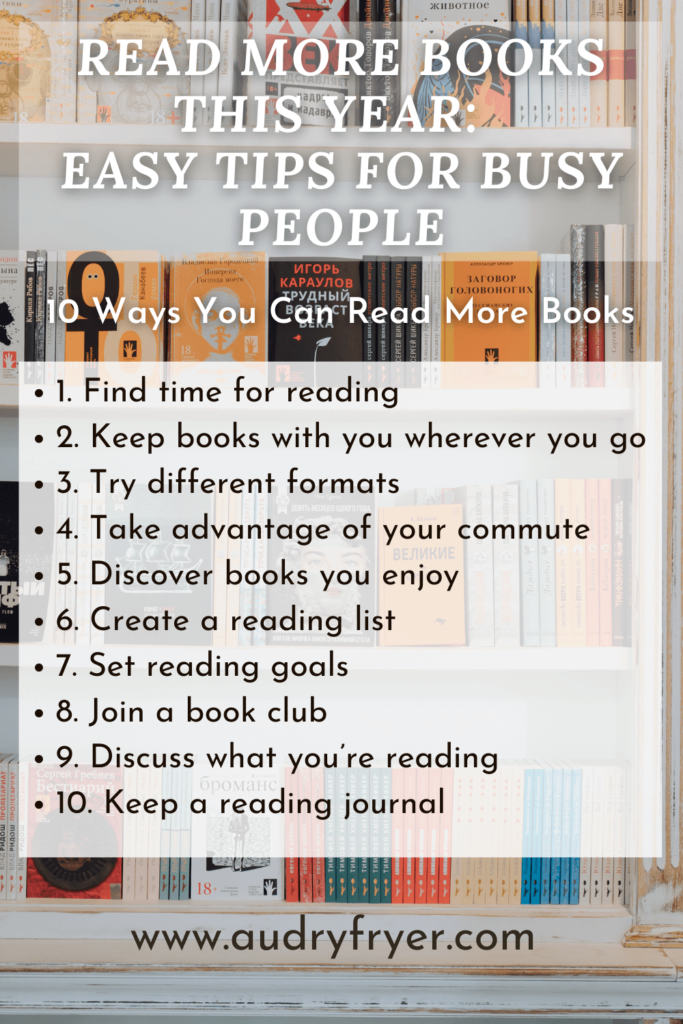
In the fast-paced environment of 2026, the concept of "busyness" has transitioned from a temporary state to a permanent lifestyle. Professionals, students, and parents alike often find that their personal reading goals are the first casualties of a demanding schedule. However, the inability to find time for long, uninterrupted reading sessions is rarely a reflection of a lack of interest; rather, it is a consequence of outdated approaches to habit formation. By implementing easy reading strategies for busy people, individuals can transform fragmented moments into opportunities for intellectual growth and mental restoration.
This guide provides a comprehensive framework for integrating reading into even the most chaotic schedules. By leveraging modern habit-design science, technological tools, and optimized cognitive techniques, readers can overcome the paralysis of an ever-growing "to-be-read" list and cultivate a sustainable, rewarding reading practice.
The Cognitive Case for Consistent Reading
Before addressing the "how," it is essential to understand the "why." In an era defined by digital fragmentation and constant notifications, the act of sustained reading serves as a critical counterbalance. Research indicates that consistent reading—whether fiction or non-fiction—improves critical thinking, vocabulary retention, and empathy.
Moreover, regular reading functions as a potent stress-reduction mechanism. Unlike the passive consumption of short-form social media content, which often exacerbates anxiety, deep reading requires cognitive engagement that effectively "resets" the mind. For the busy professional, reading is not merely a leisure activity; it is a vital tool for professional development and cognitive longevity.
Audit and Reclaim Your Time
The most common barrier to reading is the perception that it requires large, uninterrupted blocks of time. This belief is a relic of the academic model of education and is often impractical for the modern adult. The first step toward a successful reading habit is conducting a time audit.
The Three-Day Time Log
For three to five days, track your waking hours in thirty-minute increments. The objective is not to induce guilt, but to identify "dead time"—periods spent on aimless web browsing, redundant social media scrolling, or streaming content that offers little lasting value. Most individuals discover at least one to two hours of "hidden" time daily. By shifting even 20% of this time toward reading, a busy person can comfortably finish 20 to 30 books annually.
Redefining "Reading Time"
Abandon the idea that reading must occur in an armchair for an hour. Instead, categorize your day into "micro-moments." These include:
- Waiting in queues or for appointments.
- Commuting via public transit.
- The transition period between high-focus work tasks.
- The final ten minutes before sleep.
Designing a Sustainable Reading System
Motivation is a finite resource; systems are the engine of consistency. To build a habit that survives the demands of 2026, one must engineer an environment where reading becomes the "path of least resistance."
The Power of Habit Stacking
The concept of habit stacking involves anchoring a new behavior to an established one. By pairing reading with a stable part of your daily routine, you bypass the need for willpower.
- The Morning Stack: Read for ten minutes immediately after your morning coffee.
- The Transition Stack: Read for five minutes after returning home from work before checking your phone.
- The Bedtime Stack: Replace the final scroll of the night with a chapter of a book.
Optimizing Your Environment
Digital distractions are the primary enemy of deep reading. To cultivate focus, create a "friction-free" reading zone. If you prefer physical books, keep one in your bag at all times. If you prefer digital, ensure your e-reader is charged and placed in a visible, accessible location. Reducing friction—the effort required to start reading—is the most effective way to ensure you actually do it.
Strategic Reading Techniques for Mastery
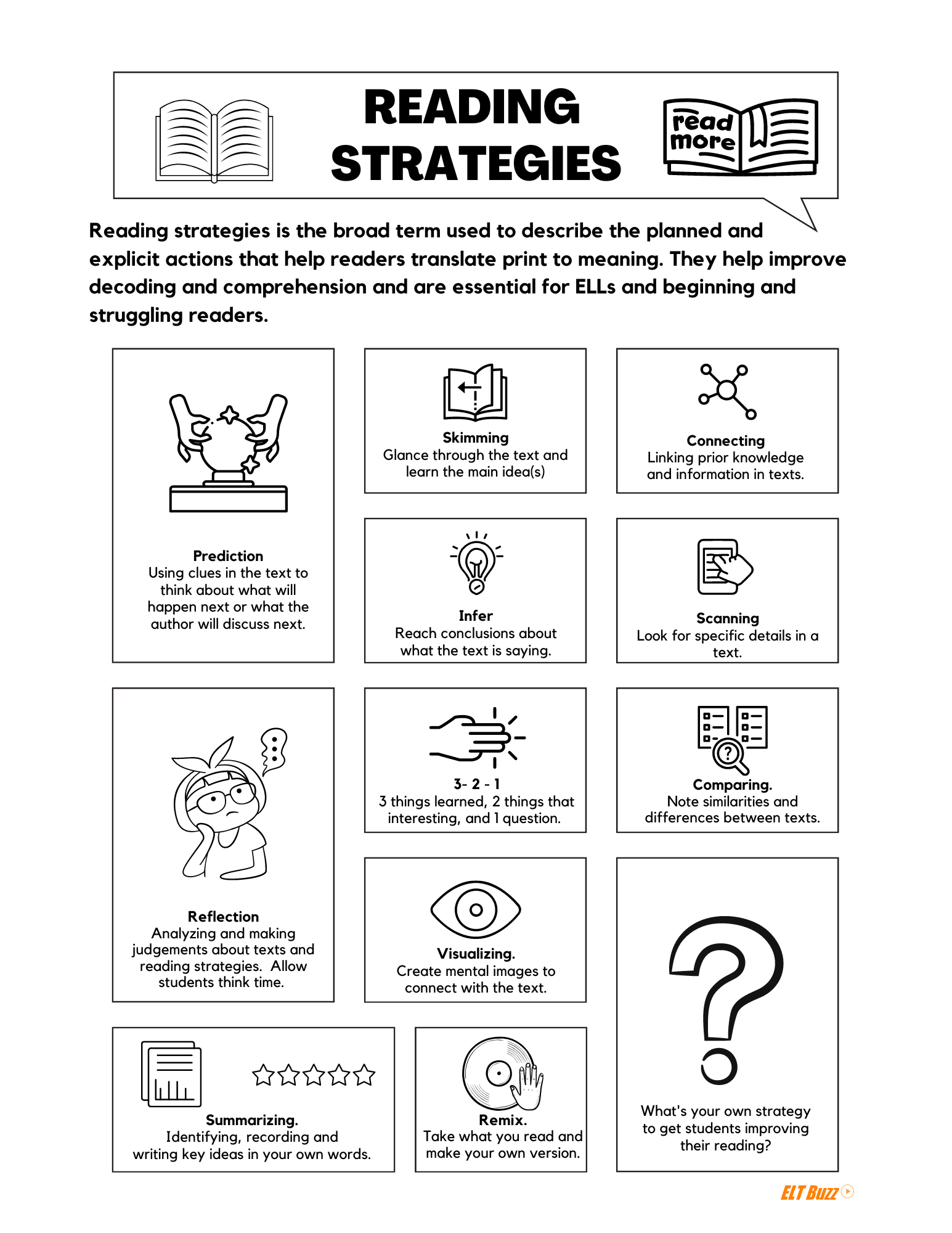
Not all texts require the same level of attention. Efficient readers adapt their techniques to the material, distinguishing between casual reading, professional development, and deep study.
The Three-Step Routine
For non-fiction or professional material, implement a simple three-step process:
- Preview (Goal Setting): Before diving in, identify why you are reading. Are you looking for specific data, a new perspective, or general entertainment? Setting a goal frames your focus.
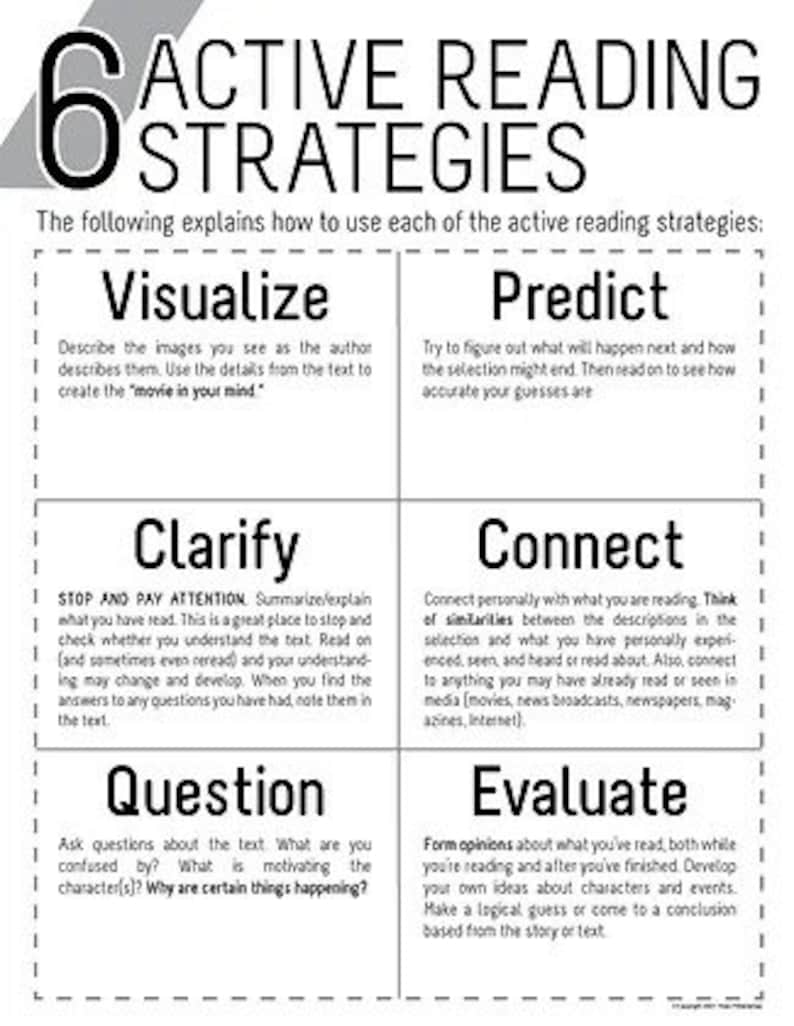
- Active Engagement: Move away from passive scanning. Engage with the text by highlighting key insights, jotting down questions in the margins, or mentally summarizing sections every few pages.
- Synthesize: Spend one minute after closing the book summarizing the three most important takeaways. This "locks in" the information and bridges the gap between consumption and retention.
Speed Reading vs. Effective Reading
While speed reading techniques—such as using a pointer or expanding peripheral vision—have their place, they are often misused. For complex or dense material, comprehension is the priority. The goal is not to read faster, but to read smarter by skipping redundant passages and focusing on high-value sections such as introductions, conclusions, and subheadings.
Leveraging Formats for Multitasking
In 2026, the definition of "reading" has expanded. While traditional print remains the gold standard for deep focus, audiobooks and digital formats offer unprecedented flexibility for the busy professional.
The Strategic Use of Audiobooks
Audiobooks are a transformative tool for those with "packed" schedules. They allow you to "read" while performing low-cognition tasks such as exercising, commuting, or completing household chores. This effectively turns "dead time" into "productive time" without requiring any additional scheduling.
Mixing Formats
Do not feel compelled to stick to one format. Many high-performing readers utilize a hybrid approach:
- Physical books for evening relaxation.
- E-readers for travel and portability.
- Audiobooks for movement and multitasking.
By rotating formats, you reduce the risk of fatigue and ensure that a reading option is always available regardless of your environment.
Overcoming Common Reading Hurdles
Even with the best systems, obstacles will arise. Recognizing and managing these hurdles is key to long-term success.
The "Did Not Finish" (DNF) Philosophy
Life is too short for books that do not provide value or enjoyment. If a book fails to capture your interest after 50 pages, grant yourself permission to quit. The DNF strategy is not a sign of failure; it is a sign of respect for your limited time. By releasing books that don't serve your goals, you clear space for those that will.
Managing the "To-Be-Read" (TBR) Pile
Choice paralysis is a significant barrier to starting a book. To combat this, maintain a curated, prioritized TBR list. Limit your active list to 3-5 titles. When you finish one, select the next from your prioritized list rather than browsing aimlessly, which often leads to decision fatigue.
Joining a Community
Accountability is a powerful motivator. Joining a book club or an online reading community provides a social layer to the solitary act of reading. Discussing ideas with others not only reinforces what you have learned but also provides fresh recommendations, keeping your reading list dynamic and relevant.
Frequently Asked Questions (FAQ)
Q: How many pages should I aim to read daily?
A: Focus on consistency rather than volume. Even reading 10–15 pages a day or committing to a 15-minute timer will lead to significant progress over the course of a year. The goal is to establish the habit, not to hit a specific page count.
Q: Is it "cheating" to listen to audiobooks instead of reading text?
A: Absolutely not. Audiobooks are a valid form of information consumption. They engage the same cognitive pathways as reading and are an excellent way to fit more books into a busy life.
Q: What should I do if I lose my reading momentum?
A: Do not force it. If you have had a particularly busy week and missed your reading sessions, simply restart with a "micro-session"—even five minutes is enough to re-establish the habit. Consistency is about returning to the practice, not perfection.
Q: How do I know if I am truly "retaining" what I read?
A: Retention is improved by active engagement. Try the "Feynman Technique": explain the core concept of what you just read to someone else (or even to yourself) in simple terms. If you can explain it clearly, you have retained it.
Conclusion
The pursuit of a reading habit in 2026 is an act of reclaiming one's attention in an economy designed to steal it. By auditing your time, designing a system that works with your unique schedule, and treating reading as an active, flexible practice, you can transform your relationship with information. Remember that the goal is not to finish every book or to reach a specific metric, but to cultivate a lifelong habit of learning and reflection. Start small, stay consistent, and allow your reading practice to become a sanctuary in the chaos of your daily life.
References
- Medium — How to Read More Even With a Busy Schedule: Simple Tips for Implementation, 2026
- Eitemad — Top 10 Effective Reading Strategies for the Busy Person, 2025
- What We Reading — How To Read More Books: Practical Tips for Busy People, 2025
- Edge Readers — How to Build Reading Habits That Stick: Practical Tips for Busy Lives, 2025
- Beguiled By Books — The Ultimate Guide to Building a Reading Habit: Science-Backed Strategies, 2025
- Bookdot — How to Find Time to Read When You're Busy: Practical Strategies That Actually Work, 2026
- SHE WELL READ — Reading Tips for Busy Adults: Strategies for Making Time for Books, 2025