Simple Tips To Enjoy Reading More
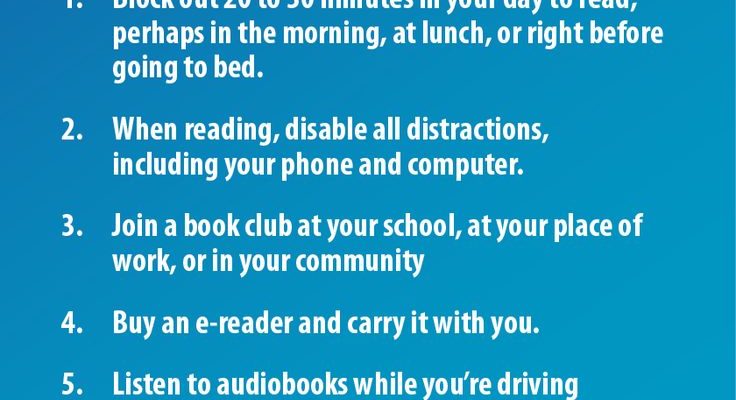
In an era dominated by rapid digital consumption, algorithmic feeds, and micro-content, the cultivation of a dedicated reading habit has emerged as both a cognitive necessity and a profound personal sanctuary. As of 2026, the average individual is exposed to thousands of digital notifications daily, a phenomenon that cognitive scientists warn has systematically eroded the human capacity for deep, sustained focus. Amidst this hyper-stimulated landscape, returning to long-form literature offers a powerful countermeasure.
However, many individuals who desire to read more find themselves trapped in a cycle of high expectations and low execution. Reading is frequently misconstrued as an academic obligation or a rigid self-improvement chore rather than a source of genuine intellectual and emotional nourishment. To transform reading from a burdensome task into an eagerly anticipated daily retreat, one must shift from a mindset of obligation to one of curated pleasure.
This comprehensive guide examines the structural, psychological, and behavioral strategies necessary to foster a lifelong love for books. By implementing systematic, friction-free habits, any individual can seamlessly integrate reading into a modern, busy lifestyle.
The Cognitive and Psychological Benefits of Daily Reading
To build a sustainable reading habit, it is beneficial to understand the profound neurological benefits associated with the practice. Reading is not merely a passive leisure activity; it is a highly complex cognitive exercise that actively reshapes neural architecture.
Stress Reduction and Mental Well-being
Modern life in 2026 presents unprecedented levels of cognitive fatigue. Research in applied psychology consistently demonstrates that reading for as little as six minutes can reduce stress levels by up to 68 percent. This reduction is more effective than other common relaxation methods, such as listening to music or drinking a warm beverage. Engaging with a narrative lowers the heart rate and eases muscle tension by diverting the brain's focus away from personal anxieties and placing it within a structured, external context.
Vocabulary Expansion and Cognitive Reserve
Regular engagement with diverse literary texts is directly correlated with a broader vocabulary and superior verbal fluency. Furthermore, longitudinal studies in neurology indicate that active mental stimulation—such as reading—helps build cognitive reserve. This reserve acts as a protective buffer for the brain, significantly delaying the onset of cognitive decline and neurodegenerative diseases in later stages of life.
Enhanced Empathy and Social Intelligence
Literary fiction, in particular, has been shown to enhance an individual's Theory of Mind—the capacity to understand and attribute mental states, beliefs, desires, and intentions to oneself and others. By navigating the complex inner lives of fictional characters, readers develop a heightened capacity for empathy, translating to improved interpersonal relationships and emotional intelligence in professional and personal spheres.
Structural Strategies to Cultivate a Reading Habit in 2026
Building a consistent reading habit does not require a dramatic lifestyle overhaul. Instead, behavioral science suggests that success lies in reducing friction and establishing small, repeatable systems.
Habit Stacking and Daily Reading "Appointments"
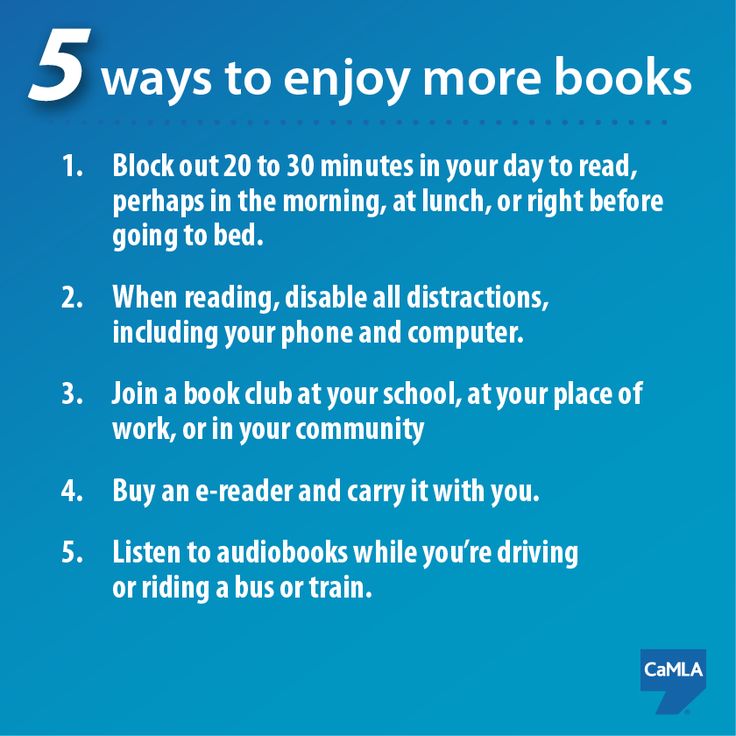
One of the most effective methods to establish a new routine is habit stacking, a concept popularized by behavioral psychologists. This technique involves pairing a desired new behavior with an already established daily habit.
For instance, rather than attempting to find random pockets of time, a reader might establish the following protocols:
- The Morning Coffee Anchor: Reading exactly five pages while consuming morning coffee.
- The Commuter Transition: Listening to an audiobook immediately upon entering the vehicle or boarding public transit.
- The Evening Wind-down: Placing a physical book on the pillow each morning so that reading becomes the natural, frictionless precursor to sleep.
By scheduling these moments as non-negotiable "appointments" on a digital calendar, reading transitions from a vague aspiration to a structured component of the daily itinerary.
Designing a Distraction-Free Reading Environment
The physical environment plays a critical role in shaping behavior. In 2026, the primary obstacle to deep reading is the proximity of the smartphone. To combat this, one must practice environmental design—structuring physical spaces to make reading the path of least resistance.
- Establish a Dedicated Reading Nook: Designate a specific chair, corner of a sofa, or outdoor bench solely for reading. Ensure the area features optimal lighting, comfortable seating, and minimal visual distractions. Over time, the brain will cognitively associate this specific location with relaxation and focused attention.
- Impose Digital Barriers: When entering the reading space, the smartphone should be placed in another room, turned off, or set to a strict "Do Not Disturb" mode. Removing the immediate physical sight of a digital device drastically reduces the cognitive load required to resist checking notifications.
Curating the Ideal Reading List: Quality Over Obligation
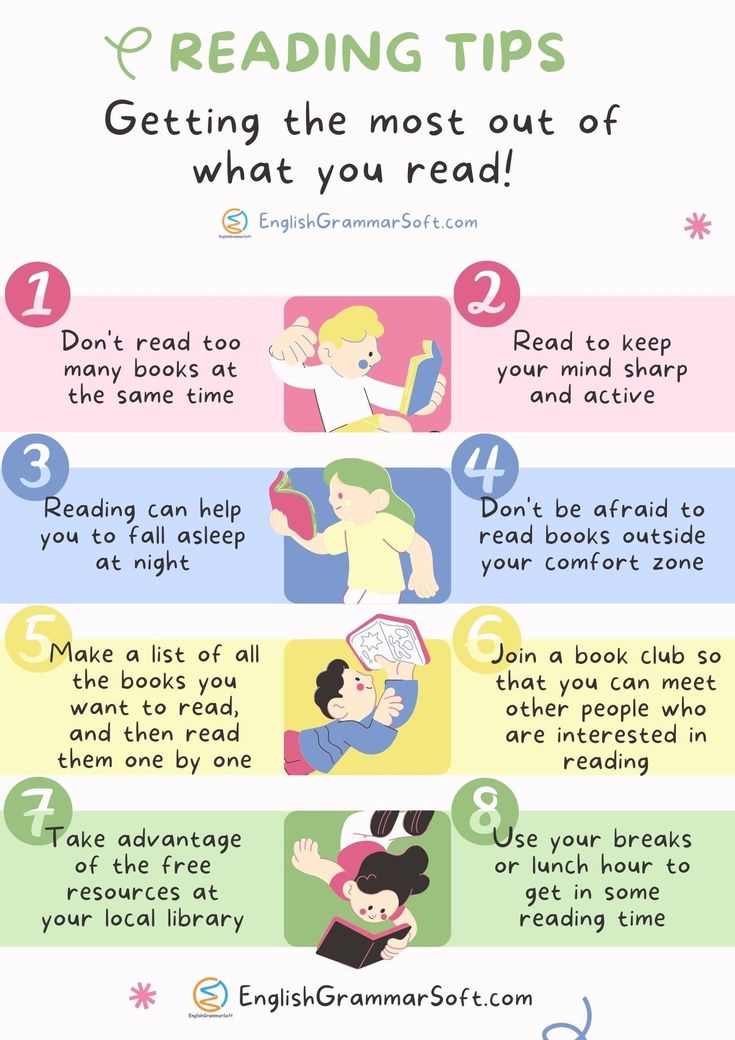
A primary reason individuals abandon their reading goals is the pursuit of books they believe they should read, rather than those they genuinely enjoy. To sustain long-term engagement, the curation of reading material must be highly personalized and flexible.
Overcoming the "Should" Read Trap
The literary landscape is filled with canonized classics, dense philosophical treatises, and trending business manuals. While these texts offer undeniable value, they can act as cognitive barriers for a reader attempting to rebuild a habit.
One must grant oneself permission to prioritize pleasure. If a reader is deeply engaged by fast-paced thrillers, light romance, science fiction, or niche biographies, those choices are entirely valid. The best book to read is the one that actively demands to be opened.
The Power of the "Did Not Finish" (DNF) Rule
A common psychological trap is the sunk cost fallacy—the belief that because one has invested time or money into a book, one must finish it. This approach is highly detrimental to reading enjoyment. Forcing oneself through a tedious, unengaging book often results in a prolonged "reading slump," where the individual avoids reading altogether to escape the chore of the current book.
In 2026, avid readers increasingly champion the DNF (Did Not Finish) rule without guilt. A practical standard is the Rule of 50:
- Read the first 50 pages of a book.
- If the narrative, style, or subject matter has not captured your interest, politely close the book and select another.
- For readers over the age of 50, some adjust this rule by subtracting their current age from 100, recognizing that life is too short to consume uninspiring literature.
Incorporating Short Stories and Diverse Genres
When cognitive energy is low, embarking on a 600-page epic novel can feel intimidating. To maintain momentum, incorporating shorter literary forms is highly advantageous. Short stories, essays, and novellas provide a rapid sense of completion and accomplishment. This psychological reward system reinforces the habit loop, building the necessary confidence and focus to tackle longer works in the future.
Leveraging Modern Technology and Diverse Formats
The modern reading experience is no longer confined to the traditional printed page. In 2026, a sophisticated reading habit embraces a multi-format approach, utilizing diverse technologies to maximize accessibility and enjoyment.
| Format | Primary Benefit | Ideal Use Case |
|---|---|---|
| Physical Books | Tactile engagement, reduced eye strain, screen-free relaxation | Evening wind-down routines, weekend study sessions |
| E-Readers (E-Ink) | High portability, adjustable lighting, instant dictionary lookup | Travel, daily commutes, outdoor reading |
| Audiobooks | Hands-free consumption, multitasking potential | Commuting, physical exercise, household chores |
Integrating Audiobooks into Daily Routines
There remains an outdated perception that listening to an audiobook is a lesser form of reading. Neurological research refutes this, demonstrating that the comprehension and emotional processing centers of the brain are activated in highly similar patterns whether one reads print or listens to a well-performed narration.
Audiobooks are an exceptional tool for busy professionals. By pairing an audiobook with mundane, physical tasks—such as grocery shopping, washing dishes, or running on a treadmill—otherwise lost hours are converted into productive, highly engaging literary sessions.
Utilizing E-Readers for Portability and Convenience
Modern E-Ink e-readers offer a reading experience that closely mimics physical paper without the harsh blue light emitted by tablets and smartphones. The ability to carry an entire library in a single lightweight device ensures that a reader is never without an option. Furthermore, features such as adjustable font sizes, built-in dictionaries, and instant highlighting allow for a highly customizable and interactive reading experience.
Tracking Progress via Digital Platforms and Reading Journals
Tracking is a powerful motivational tool. Documenting completed books, writing brief reflections, and monitoring reading streaks can provide a sense of achievement.
However, tracking should be utilized as a tool for encouragement rather than a source of competitive anxiety. Platforms such as The StoryGraph or Goodreads, alongside traditional physical reading journals, allow individuals to visualize their reading patterns, discover personalized recommendations, and celebrate their literary milestones throughout 2026.
Practical Tips to Fit Reading into a Busy Schedule
The most common explanation for a lack of reading is a perceived lack of time. Yet, statistical analyses of daily screen time reveal that the average adult spends several hours per day on non-essential digital activities. Repurposing even a fraction of this time can yield dramatic results.
Replacing Screen Time with Book Time
Consider the mathematics of reading: the average reading speed is approximately 250 words per minute. A standard book contains roughly 75,000 words. Therefore, it takes approximately five hours of reading to complete an average-sized book.
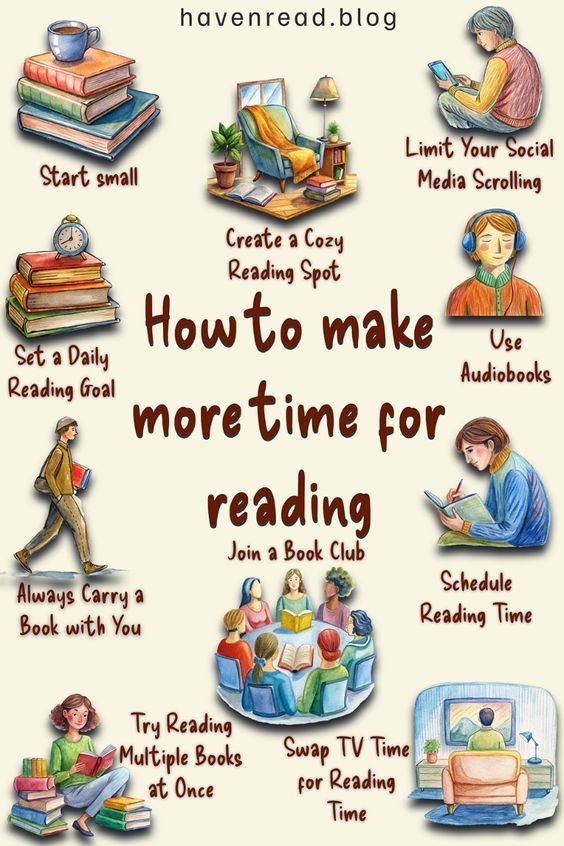
If an individual replaces just 30 minutes of daily social media scrolling with reading, they will accumulate 3.5 hours of reading time per week. Over the course of a year, this minor adjustment translates to completing approximately 24 books. The transition does not require a change in lifestyle capacity, but rather a conscious reallocation of existing attention.
Utilizing "Micro-Moments" of Downtime
Throughout any given day, there are numerous periods of unstructured waiting:
- Standing in line at a grocery store.
- Waiting for an appointment to begin.
- Sitting on public transit.
- Waiting for water to boil during meal preparation.
Historically, the default reaction to these micro-moments has been to retrieve a smartphone and engage in passive scrolling. By consciously replacing this action with opening a book—whether a physical paperback carried in a bag, an e-reader, or a reading application on a mobile device—these idle minutes accumulate into significant reading progress over weeks and months.
Frequently Asked Questions (FAQ)
Do audiobooks provide the same cognitive benefits as physical reading?
Yes. Neurological studies indicate that both reading text and listening to audiobooks activate the same semantic processing networks in the brain. While physical reading offers unique benefits for spatial memory and structural comprehension, audiobooks provide comparable advantages in terms of narrative engagement, language processing, and vocabulary acquisition. They are a highly effective and legitimate format for modern readers.
How can I overcome a severe reading slump?
To overcome a reading slump, one should eliminate all pressure to perform. Begin by selecting a very short, highly engaging book, such as a graphic novel, a collection of short stories, or a fast-paced thriller. Alternatively, re-reading a beloved favorite book can reignite the neural pathways associated with reading pleasure, bypassing the cognitive friction of processing a new narrative.
Is it acceptable to read multiple books at the same time?
Absolutely. Many experienced readers maintain multiple books simultaneously to match their varying cognitive states throughout the day. For example, one might read a challenging non-fiction book during morning hours when mental clarity is high, listen to an upbeat audiobook during an afternoon workout, and wind down with a light fiction novel before sleep. The key is ensuring that the books are sufficiently different in genre and format to prevent confusion.
How do I help my child develop a love for reading?
The most effective way to encourage children to read is modeling the behavior. When children observe the adults in their household reading for pleasure, they internalize the activity as a desirable, normal behavior rather than a chore. Additionally, providing children with autonomy over their reading choices—allowing them to choose comic books, fantasy novels, or non-fiction books about their specific interests—fosters intrinsic motivation.
Conclusion
Enjoying reading more in 2026 is not a matter of finding extra hours in an already crowded day; it is a matter of shifting perspective and designing systems that protect one's attention. By treating reading as a personal luxury rather than a task, setting up a physical environment that minimizes digital distractions, and giving oneself permission to abandon unengaging books, the process becomes naturally rewarding.
Ultimately, literature offers a unique opportunity to slow down, engage deeply, and explore the vast complexities of the human experience. By implementing these simple, sustainable strategies, any individual can reclaim their focus, expand their cognitive horizons, and rediscover the profound joy of a great book.
References
- Everyday Reading — 35 Ideas For How To Read More, 2024
- Reader's Digest — How to Read More: Tips from Big-Time Bookworms, 2024
- LifeHack — 15 Simple Tips to Help You Find Motivation to Read More, 2025
- Lingopie — How To Get Into Reading Again (And Actually Enjoy It This Time), 2025
- Booktrovert Reader — 10 Ways to Read More Books in 2026, 2026
- What to Read Next — 25 Tips to Build a Reading Habit and Finish More Books, 2025