Best Classic Books Everyone Should Read
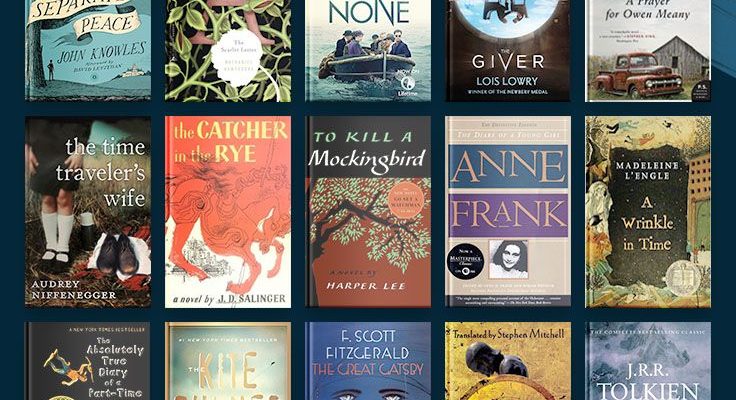
The literary canon is often perceived as a daunting, impenetrable fortress of dusty tomes and archaic prose. However, in 2026, the relevance of classic literature has never been more pronounced. These works are not merely artifacts of a bygone era; they are the architectural blueprints of human consciousness, exploring themes of morality, ambition, love, and existential dread that remain as sharp today as they were upon their initial publication.
Whether you are a seasoned bibliophile looking to fill gaps in your intellectual foundation or a newcomer intimidated by the sheer volume of "must-read" lists, this guide serves as your roadmap. Below, we curate the most essential classic books everyone should read, categorized for a curated reading journey.
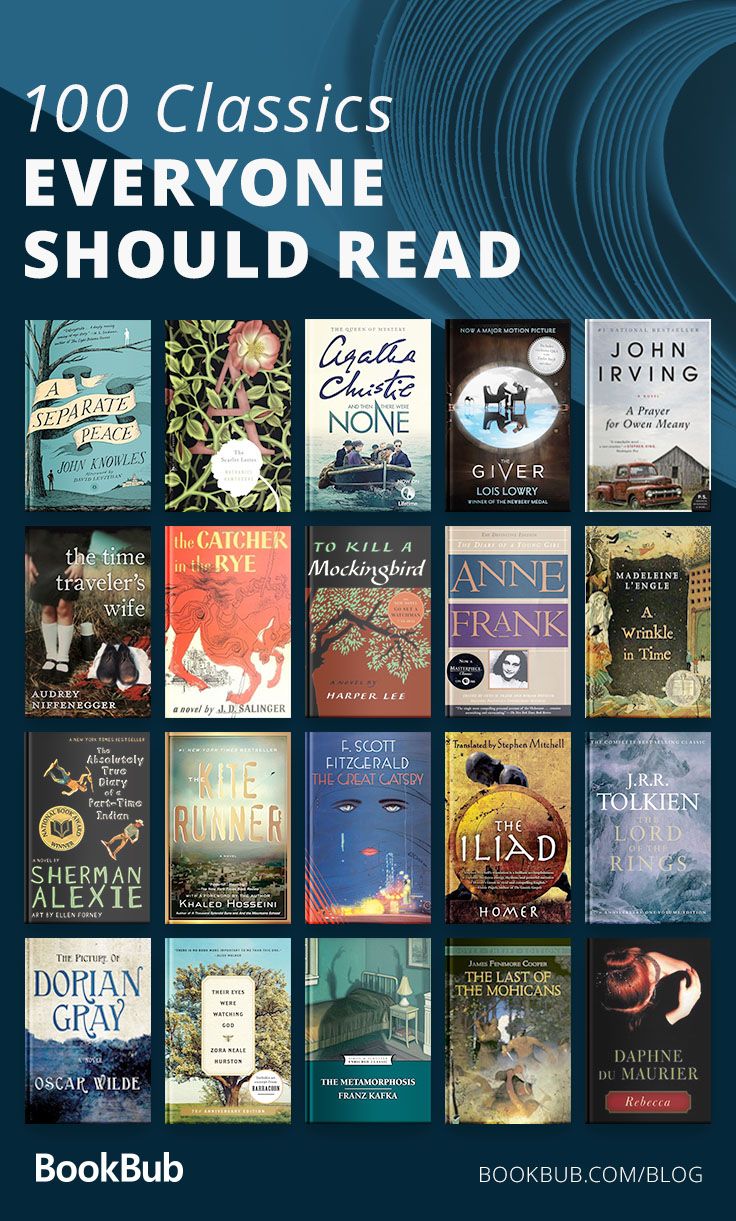
Why Classic Literature Remains Essential in 2026
The value of reading classics in the current decade extends beyond mere academic curiosity. In an age dominated by rapid-fire digital content and fleeting social media trends, classic novels demand a form of deep focus that is increasingly rare. They provide a unique vantage point to observe the evolution of societal structures, gender dynamics, and human psychology.
The Mirror of History
Classic books act as a historical mirror. By reading works from the 18th, 19th, and early 20th centuries, readers gain a visceral understanding of the historical events that shaped the modern world. For instance, the social critique inherent in Victorian literature provides a stark contrast to the technological hyper-connectivity of 2026.
Universal Human Experiences
Despite the differences in clothing, language, and technology, the core human experience remains static. The jealousy in Othello, the ambition in The Great Gatsby, and the search for identity in Jane Eyre are experiences that transcend time. These narratives validate our own struggles, offering comfort in the realization that our anxieties have been shared by humanity for centuries.
The Pillars of Fiction: Must-Read Classics
To build a robust personal library, one must start with the foundational texts that have defined the literary landscape. These books are cited consistently by readers and critics alike as the most influential works of fiction.
1. Pride and Prejudice by Jane Austen (1813)
Austen’s masterpiece is arguably the most beloved novel in the English language. It is a brilliant blend of social satire and romantic comedy. The story follows Elizabeth Bennet as she navigates the rigid class structures of 19th-century England, challenging the expectations placed upon women regarding marriage and financial security. Her wit and the evolving dynamic with Mr. Darcy make this an essential read for anyone interested in the complexities of human relationships.
2. To Kill a Mockingbird by Harper Lee (1960)
Harper Lee’s Pulitzer Prize-winning novel remains a cornerstone of American literature. Through the innocent eyes of Scout Finch, the reader is confronted with the harsh realities of racial injustice and moral decay in the Deep South. Atticus Finch, the novel’s protagonist, serves as an enduring symbol of integrity and courage. This book is not just a story; it is a profound examination of how we treat those who are different from us.
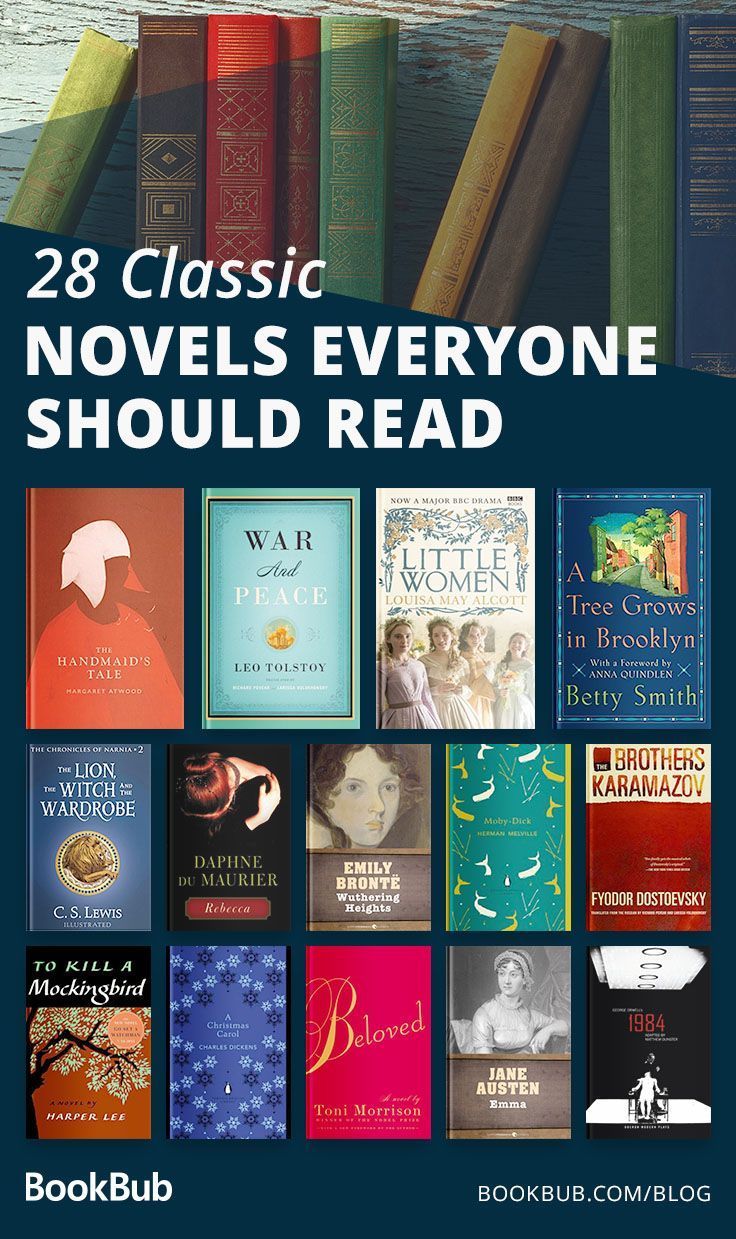
3. 1984 by George Orwell (1949)
In our modern era of pervasive surveillance and algorithmic influence, Orwell’s dystopian vision is more terrifyingly relevant than ever. 1984 introduced concepts like "Big Brother" and "Thoughtcrime" into the lexicon, warning of the dangers of totalitarianism and the erosion of objective truth. It is a mandatory read for understanding the importance of individual autonomy and critical thinking.
4. The Great Gatsby by F. Scott Fitzgerald (1925)
Fitzgerald’s definitive portrait of the Jazz Age is a scathing critique of the American Dream. Through the eyes of Nick Carraway, we witness the tragic life of Jay Gatsby, a man who reinvented himself for love and status. The novel’s lyrical prose and its exploration of the hollowness of wealth make it a haunting, essential experience for any reader.
Deepening Your Journey: Psychological and Philosophical Classics
Once you have mastered the foundational pillars, it is time to delve into works that challenge the intellect and explore the darker corners of the human psyche.
5. Crime and Punishment by Fyodor Dostoevsky (1866)
Dostoevsky’s psychological thriller is an intense exploration of guilt, redemption, and the nature of morality. The protagonist, Rodion Raskolnikov, attempts to justify a heinous crime through intellectual arrogance, only to be dismantled by his own conscience. It is a grueling, yet profoundly rewarding, examination of what it means to be human.
6. Jane Eyre by Charlotte Brontë (1847)
A pioneer of the feminist literary tradition, Jane Eyre tells the story of a resilient heroine who refuses to compromise her values for the sake of societal approval. Brontë’s writing is deeply atmospheric and emotionally resonant, capturing the inner life of a woman determined to carve out her own path in a world designed to keep her subservient.
7. One Hundred Years of Solitude by Gabriel García Márquez (1967)
As a masterpiece of Magical Realism, this novel chronicles the multi-generational history of the Buendía family in the fictional town of Macondo. It is a rich, complex, and beautiful narrative that blends the mythical with the historical, offering a panoramic view of human existence, solitude, and the passage of time.
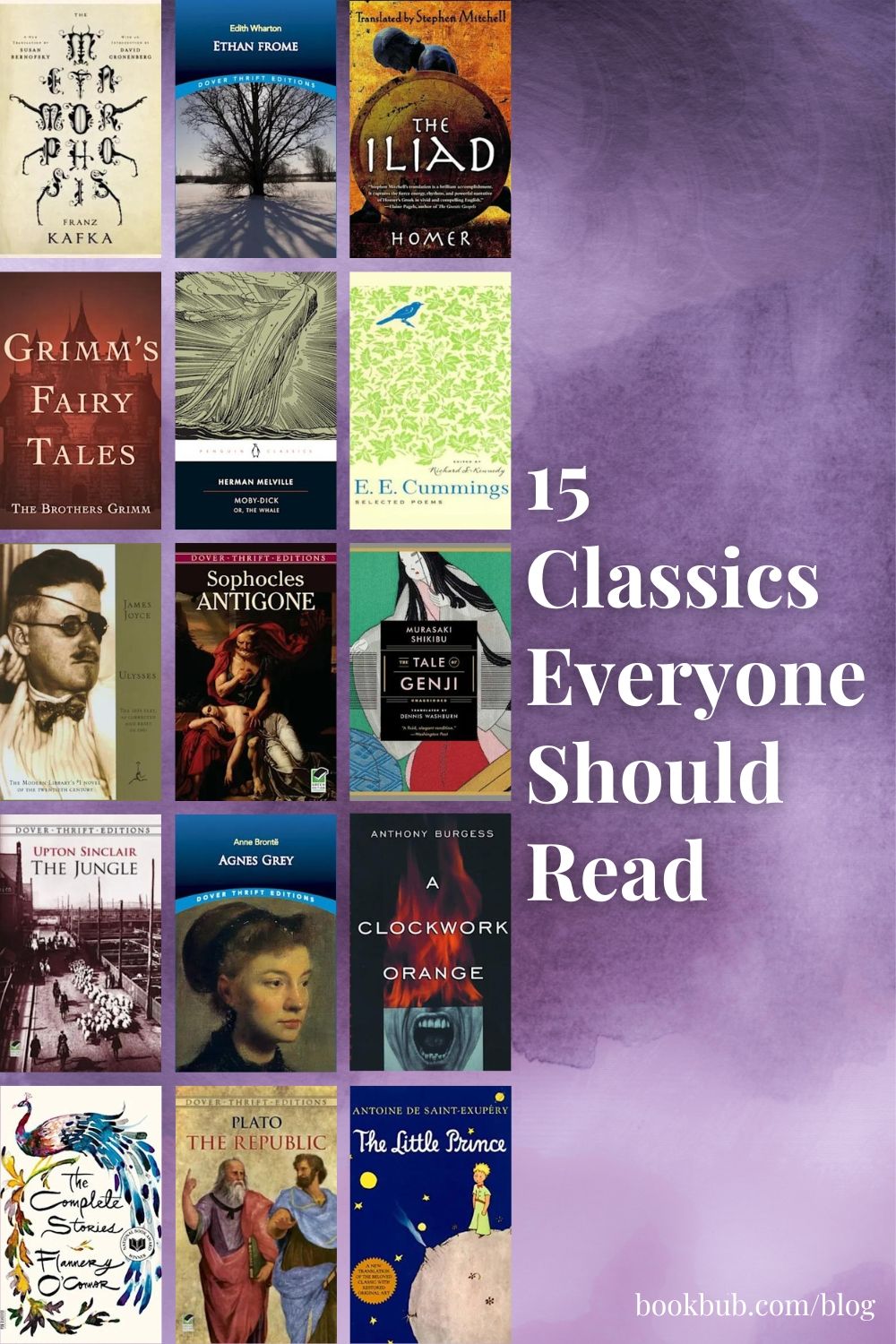
Curating Your 2026 Reading List
With thousands of titles competing for your attention, how should one prioritize? The following table categorizes classics based on their primary thematic impact to help you choose your next read.
| Category | Recommended Title | Primary Theme |
|---|---|---|
| Social Commentary | Pride and Prejudice | Class & Marriage |
| Dystopian/Political | 1984 | Surveillance & Power |
| Psychological | Crime and Punishment | Guilt & Morality |
| Adventure/Survival | Robinson Crusoe | Resilience |
| Coming-of-Age | Little Women | Family & Growth |
Tips for Getting the Most Out of Your Reading
Reading the classics should not feel like a chore or a homework assignment. To ensure you gain the most value from these literary giants, consider the following strategies:
- Contextualize the Author: Spend ten minutes researching the author’s life and the era in which the book was written. Understanding the socio-political climate of 1850 or 1920 significantly enhances your grasp of the narrative.
- Join a Book Club: Classics are best enjoyed when discussed. Engaging in a dialogue with other readers can provide perspectives you might have otherwise missed.
- Don't Rush: These books were written to be savored, not skimmed. Allow yourself the time to digest complex themes and appreciate the nuances of the prose.
- Utilize Annotated Editions: If you are reading a particularly challenging text, such as Shakespeare or Dostoevsky, an annotated edition can provide necessary context for archaic language and cultural references.
The Evolution of the Classic: Why 2026 is the Perfect Time
In 2026, we are witnessing a resurgence in the popularity of physical books and long-form storytelling. As digital fatigue sets in, readers are returning to the classics as a form of "slow living." The deliberate pace of a classic novel offers a reprieve from the constant demands of the digital world. Furthermore, the accessibility of high-quality, modern editions—many with new forewords by contemporary authors—makes these stories feel fresh and approachable for a new generation.
Frequently Asked Questions (FAQ)
Q: Why are classic books often considered "hard" to read?
A: Many classics were written in a different era, utilizing vocabulary and sentence structures that are no longer common. However, with consistent reading, most people find that their "literary stamina" improves, making the prose feel natural within a few chapters.
Q: Is it okay to read classics in translation?
A: Absolutely. While some nuance may be lost in translation, the core themes and narrative power of works like Crime and Punishment or One Hundred Years of Solitude remain intact. Choosing a highly-regarded translator is key to ensuring the best experience.
Q: Which classic should I start with if I am a beginner?
A: To Kill a Mockingbird or Pride and Prejudice are excellent starting points due to their engaging plots, relatable characters, and relatively accessible prose styles.
Q: How many classics should I try to read per year?
A: There is no set quota. Even if you only read one or two classics a year, you are contributing to your intellectual growth. Consistency is more important than quantity.
Conclusion
The pursuit of reading the best classic books is a lifelong endeavor that pays dividends in wisdom, empathy, and perspective. By engaging with these texts, you are participating in a global conversation that has spanned centuries. In 2026, let these stories be your companions, your teachers, and your guides through the complexities of our shared human existence. Start your journey today, and discover why these masterpieces have earned their place in the eternal library of human achievement.
References
- Penguin Books UK — 100 Must-Read Classics, as Chosen by Our Readers, 2026
- Goodreads — Must Read Classics: Community-Curated Literary Rankings
- Forbes — The 30 Best Classic Novels Everyone Should Read: A Timeless Guide
- The Reading Desk — Top 10 Must-Read Classics Everyone Should Read Before They Die, 2024
- Ishmael and Gray — The Top Ten Classic Books to Read in 2026
- Lonesome Reader — 12 Classics to Read in 2026: An Anniversary Perspective