Reading Benefits That Can Improve Your Life
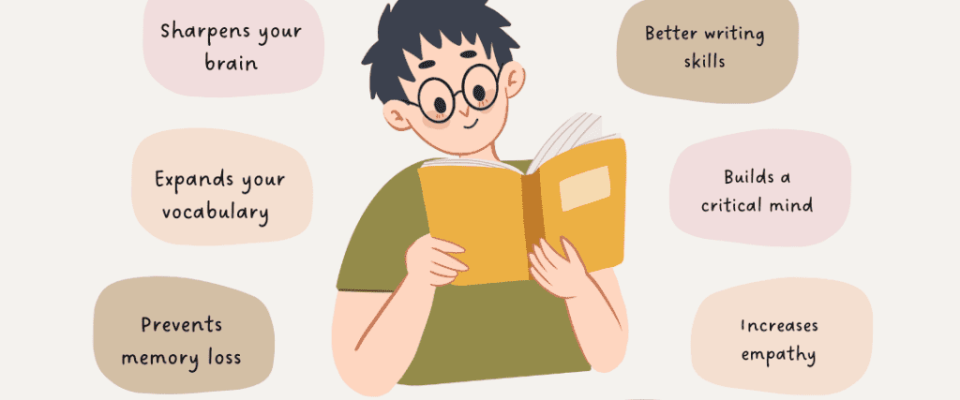
In an era dominated by rapid-fire digital content, algorithmic feeds, and the endless scroll of short-form videos, our collective attention spans are being systematically fragmented. We live in a state of continuous partial attention, bombarded by micro-stimuli that train our brains to seek instant gratification. Amidst this hyper-connected noise, the deliberate act of picking up a book—and committing to it—remains one of the most revolutionary and transformative habits an individual can cultivate. It represents a conscious rebellion against the attention economy, offering a sanctuary of sustained focus and deep contemplation.
While the medium of delivery has evolved to encompass e-readers, tablets, and audiobooks, the profound cognitive and emotional impact of engaging with long-form text remains completely unparalleled. Neuroscientists point out that the human brain is not evolutionarily wired to read; instead, it must recruit and repurpose neural circuits to translate symbols into complex meaning. When we engage in "deep reading"—the slow, immersive processing of a narrative—we actively reshape these neural pathways. This process strengthens the brain's white matter, enhances connectivity in the somatosensory cortex (which registers physical sensations), and bolsters the prefrontal cortex, the seat of critical thinking, logic, and executive function. Unlike the passive consumption of video, reading is an active cognitive workout that forces the mind to build worlds, synthesize arguments, and retain complex narrative arcs over time.
As we navigate the unique complexities of 2026—a landscape increasingly saturated with generative AI, information pollution, and digital echo chambers—the ability to discern nuance has become a vital survival skill. Reading, particularly literary fiction, serves as a masterclass in empathy and emotional intelligence. By stepping into the minds of diverse characters, readers develop what psychologists call "Theory of Mind"—the capacity to attribute mental states to oneself and others, and to understand that others have beliefs, desires, and intentions different from their own. Whether navigating the psychological depths of a classic novel or exploring contemporary global perspectives, reading allows us to practice empathy in a low-stakes environment, fostering a deeper, more compassionate understanding of human behavior in an increasingly polarized world.
Furthermore, scientific research continues to affirm that reading is far more than a passive leisure activity; it is a vital clinical practice for holistic well-being and longevity. Longitudinal studies, including landmark research from Yale University, have revealed that regular book readers benefit from a significant survival advantage, living an average of two years longer than non-readers. This longevity is directly linked to the cognitive reserve built through reading, which acts as a protective buffer against age-related cognitive decline and delays the onset of neurodegenerative diseases like dementia. On a day-to-day level, reading is also an unparalleled stress-reduction tool; cognitive psychologists have found that just six minutes of silent reading can reduce stress levels by up to 68%, slowing the heart rate and easing muscle tension more effectively than listening to music, going for a walk, or drinking a warm cup of tea.
Ultimately, in a world that demands rapid, unthinking reactions, the slow, immersive experience of reading a book remains our greatest tool for preserving our humanity, sharpening our intellect, and securing our long-term mental vitality.
This article explores the multifaceted advantages of integrating a consistent reading habit into one’s daily routine, supported by the latest clinical findings and cognitive research.

Cognitive Preservation and Brain Health
The human brain is a dynamic organ that requires consistent stimulation to maintain its structural integrity. Much like physical exercise strengthens the cardiovascular system, reading acts as a sophisticated workout for the mind.
Protecting the Brain as You Age
Recent data from 2026 underscores the role of literacy in long-term cognitive health. Longitudinal studies have indicated that individuals who engage in regular reading throughout their lifespan exhibit a significantly lower risk of developing neurodegenerative conditions such as Alzheimer’s disease. The cognitive reserve built through decades of reading provides a buffer against age-related decline, suggesting that the habit of reading is a lifelong investment in neurological health.
Structural Brain Changes
Neurological research has demonstrated that intensive reading can actually alter brain architecture. Studies involving adolescent and adult subjects show increased cortical thickness in regions associated with memory, language processing, and selective attention. By engaging in the complex task of following narratives, evaluating arguments, and maintaining focus, readers are effectively training their brains to remain resilient and adaptable.

The Stress-Reduction Mechanism
In the fast-paced environment of 2026, chronic stress has become a primary concern for public health. While many turn to passive entertainment for relief, clinical evidence suggests that active engagement with a book is a superior method for physiological regulation.
The Six-Minute Threshold
Research conducted at the University of Sussex has identified that as little as six minutes of reading can reduce stress levels by up to 68%. This reduction is measured through heart rate deceleration and the decrease of muscle tension. Reading outperforms other common relaxation techniques, such as listening to music or consuming a warm beverage, because it necessitates an active engagement of the imagination, effectively inducing an "altered state of consciousness" that detaches the reader from immediate stressors.
The Superiority of Physical Media
While digital reading platforms are convenient, emerging studies suggest that physical, paper-based books may provide a more profound sense of psychological calm. The tactile experience of turning pages and the absence of digital notifications contribute to a more immersive environment, further enhancing the therapeutic benefits of the reading process.
Enhancing Empathy and Social Cognition
Reading is a uniquely human activity that allows for the simulation of social experiences. By inhabiting the perspectives of diverse characters, readers refine their ability to understand and empathize with the motivations of others in real-world settings.
The Theory of Mind
Engaging with literature, particularly fiction, fosters the development of "Theory of Mind"—the capacity to attribute mental states to oneself and others. By navigating the complex emotional landscapes of literary characters, readers become more adept at identifying and responding to subtle social cues. This increased emotional intelligence translates directly into improved interpersonal communication and conflict resolution skills in professional and personal environments.

Literacy Advantages Beyond the Page
The benefits of reading extend far beyond the acquisition of specific knowledge. The process of decoding text, analyzing sentence structures, and synthesizing information creates a ripple effect that improves communication skills across all domains.
Vocabulary Acquisition and Linguistic Precision
Regular readers consistently demonstrate higher levels of linguistic competence. Exposure to varied sentence structures and specialized vocabulary in books equips individuals with a more expansive toolkit for articulating complex ideas. This, in turn, enhances professional performance, as clear communication is a critical determinant of success in the modern workforce.
Critical Thinking and Analytical Ability
Reading requires the brain to analyze, synthesize, and evaluate information continuously. Whether one is reading non-fiction to acquire new skills or fiction to dissect character motivations, the reader is constantly engaging in critical thought. This habit of inquiry prevents cognitive stagnation and fosters a more analytical approach to problem-solving in daily life.
Longevity and Quality of Life
Perhaps the most compelling argument for reading is its potential impact on overall lifespan. Mounting evidence suggests that the mental health benefits of reading—reduced stress, lower levels of depression, and improved social connectivity—contribute to better physical health outcomes and increased longevity.
Combating Loneliness and Depression
Reading provides a sense of connection that can mitigate feelings of isolation, especially in aging populations. By engaging with ideas and stories, individuals maintain a sense of purpose and intellectual curiosity, which are key components of emotional well-being. This proactive approach to mental health is essential for sustaining a high quality of life as one ages.
Frequently Asked Questions
How many minutes should I read daily to see benefits?
While even six minutes can significantly reduce stress, experts suggest that 20 to 30 minutes of daily reading is ideal for achieving cumulative cognitive benefits, such as improved focus and vocabulary expansion.
Is reading digital books as effective as reading physical books?
Both formats provide cognitive benefits. However, studies indicate that physical books may be more effective for stress reduction and deep focus due to the lack of digital distractions and the tactile nature of the experience.
Can reading improve my sleep quality?
Yes. Incorporating reading into a pre-sleep routine acts as a signal to the body that it is time to wind down. Replacing screen time with a physical book prevents blue-light exposure, which is known to disrupt circadian rhythms and sleep quality.
Does the type of book I read matter?
While both fiction and non-fiction serve as powerful vehicles for personal growth, they cultivate vastly different cognitive and emotional landscapes.
Fiction acts as a sophisticated simulator for the human heart and mind. By immersing readers in the deeply personal, inner lives of diverse characters, it fosters profound empathy and refines emotional intelligence. When we read a novel—whether it is Harper Lee’s exploration of racial injustice in To Kill a Mockingbird or a contemporary story navigating modern mental health struggles—we are invited to step outside our own lived experiences. This process strengthens what psychologists call the "theory of mind"—the cognitive capacity to understand that others have beliefs, desires, and perspectives different from our own. Through narrative, readers learn to decode subtle social cues, navigate complex relationship dynamics, and experience a broad spectrum of human emotions, which ultimately translates into greater compassion and better communication in real-world relationships.
In contrast, non-fiction serves as an essential toolkit for understanding the mechanics of the physical, historical, and social world. It is unparalleled in its ability to expand factual knowledge bases and sharpen analytical thinking. Whether diving into historical accounts like Yuval Noah Harari's Sapiens, exploring psychological frameworks in Daniel Kahneman's Thinking, Fast and Slow, or studying practical business strategies, non-fiction demands rigorous intellectual engagement. It teaches readers how to evaluate evidence, identify logical fallacies, and apply structured frameworks to systemic, real-world challenges. This genre empowers individuals to make informed decisions in their professional lives, civic duties, and personal endeavors by grounding their understanding in data, history, and proven methodologies.
Ultimately, the most robust intellectual development comes from a balance of both genres. While non-fiction provides the factual scaffolding, logic, and practical tools required to navigate the complexities of reality, fiction provides the moral imagination, emotional depth, and human connection necessary to apply that knowledge with wisdom and grace.
Conclusion
The evidence is clear: reading is a fundamental pillar of cognitive health and personal development. By dedicating time to this practice, individuals can protect their neurological function, reduce physiological stress, enhance their emotional intelligence, and improve their overall quality of life. In 2026, as digital distractions continue to proliferate, the choice to prioritize reading is an act of self-care and a commitment to lifelong growth. Whether through a classic novel or a contemporary non-fiction work, the act of opening a book remains one of the most effective ways to improve one’s life.
References
- Rush University Medical Center — Longitudinal study on cognitive reserve and neurodegenerative risk, 2025
- University of Sussex — Cognitive neuropsychology report on stress reduction through reading, 2024
- Cambridge University — Analysis of cortical structure and literacy development in adolescents, 2025
- National University — Review of reading habits and their impact on concentration and memory, 2026
- Healthline — Comprehensive assessment of physical and mental health benefits of daily reading, 2026
- Develop Good Habits — Long-term analysis of reading as a lifestyle habit, 2026