Easy Reading Strategies For Busy People
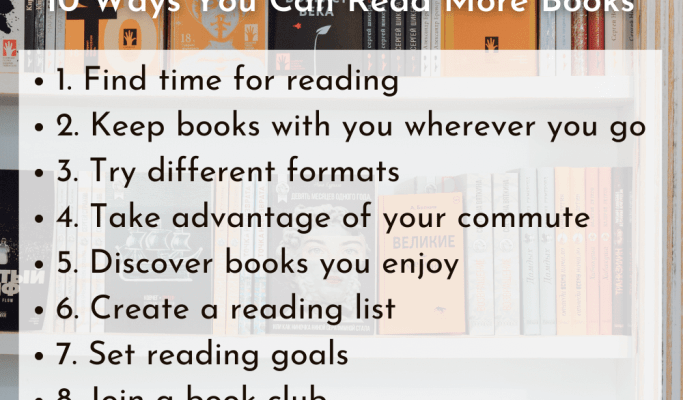
In the fast-paced landscape of 2026, the "to-be-read" stack has become a modern symbol of aspiration—and often, frustration. We live in an era where digital distractions and endless micro-tasks compete for every spare second of our attention. Many professionals feel they are constantly playing catch-up, consuming information without true retention. If you have been struggling to find time to read, you are not alone; the challenge is rarely a lack of willpower, but rather a lack of a functional system for combating information overload.
Reading is more than just a hobby; it is a critical tool for individual development, mental health, and cognitive longevity, fostering enhanced memory and focus and promoting critical thinking development. Science consistently links consistent reading to slower cognitive decline and reduced stress. To reclaim your focus and turn reading from a chore into a rewarding daily habit, you must stop relying on "someday" motivation and start designing your environment for success.
This guide provides the definitive blueprint for building a sustainable reading habit and embarking on a truly personalized reading journey in 2026, regardless of how hectic your schedule may be.
Prerequisites and Tools for Success
Before diving into the strategies, ensure you have the following in place:
- An E-Reader or Physical Book: Keep one readily available at all times.
- A Tracking Tool: Apps like The StoryGraph or a simple physical journal to log progress.
- A "Did Not Finish" (DNF) Mindset: Permission to abandon books that do not serve your goals by page 50.
- A Time Audit Log: A simple notebook to record your daily activities in 30-minute blocks for three days.
Step 1: Conduct a Time Audit to Reclaim Your Schedule
The most common barrier to reading is the false belief that you have no time. In reality, most people spend two to three hours daily on low-return activities like aimless social media scrolling. Embracing digital minimalism can help reclaim these lost hours.
- Log your day: For 72 hours, record what you do in 30-minute intervals.
- Identify the "Dead Time": Look for blocks where you are passively consuming content you won’t remember.
- Redirect the Energy: Replace one 30-minute scrolling session with a dedicated reading period.
- Verification: You have succeeded if you can identify at least one 30-minute window of "found time" that was previously lost to digital distraction.
Caution: Do not feel guilty about your findings. The goal is accuracy, not self-criticism. This is about observing where your attention is currently leaking.

Step 2: Implement Micro-Reading to Build Momentum
The traditional model of reading—a long, uninterrupted hour in an armchair—is often unrealistic for the busy adult. Instead, embrace micro-reading.
- Small Pockets: Read while waiting in line, during your morning coffee, or on your commute.
- Compound Gains: Ten minutes of reading three times a day adds up to 30 minutes of daily progress, which compounds significantly over a month.
- Accessibility: Always carry a book or an e-reader. If the book is physically present, the friction to start reading drops to near zero.
Step 3: Design Your Reading Environment (The Cue-Routine-Reward Loop)
To make reading the default, you must leverage the science of habit formation. Every successful habit relies on a specific neurological loop:
- The Cue: Attach reading to an existing habit (habit stacking). For example: "After I pour my morning coffee, I will open my book."
- The Routine: Perform the action. Keep your book in a location that makes it the most obvious choice in your environment.
- The Reward: Acknowledge the satisfaction of the insight or the relaxation you gained. Tracking your progress in an app provides a dopamine hit that reinforces the behavior.
Step 4: Master Active Reading for Better Comprehension
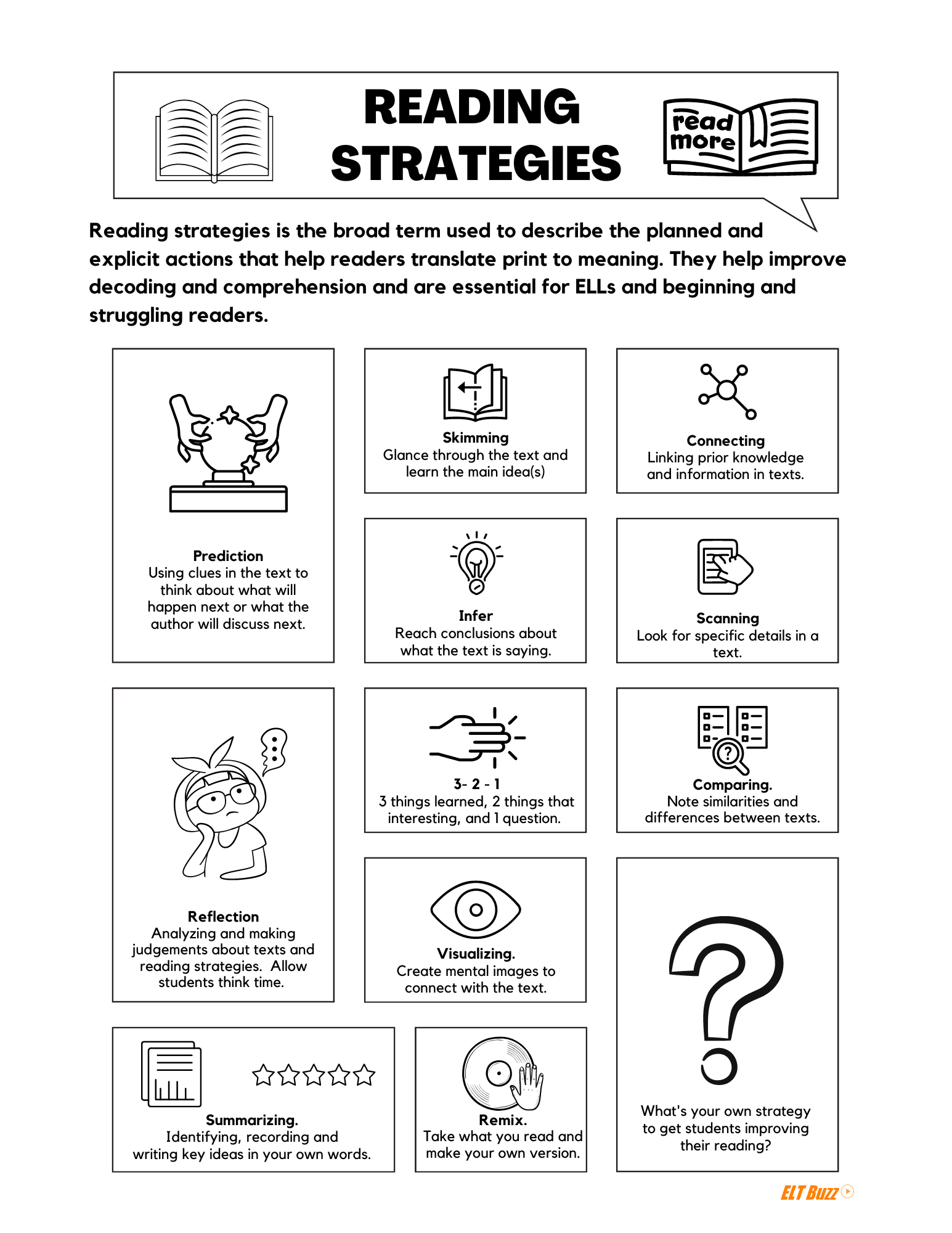
Reading is not a passive act of letting your eyes scan the page; it is a dialogue with the author. If you find yourself finishing a chapter and realizing you absorbed nothing, you are likely reading too passively.
How to Engage Actively
- Ask Targeted Questions: Before reading a chapter, ask yourself what you want to learn from it.
- Challenge Assumptions: As you read, mentally debate the points the author is making.
- Summarize Frequently: Pause after each section to summarize the key takeaway. This "locking in" process is essential for memory retention, and leveraging active recall strategies further solidifies learning.
- Adapt Your Technique: Use different strategies for different texts. Use speed reading (skimming headings and summaries) for business reports, but slow down for complex academic or philosophical texts.
Warning: Do not prioritize speed over comprehension. If you try to speed-read a dense technical manual, your focus will naturally plummet. Always match your pace to the complexity of the material.
Step 5: Leverage Audiobooks for Multitasking
Audiobooks are a powerful tool for the modern professional, offering a flexible avenue for reading for professional development. They allow you to "read" while performing tasks that don't require deep cognitive focus, such as commuting, exercising, or doing household chores.
- Turn "Dead Time" into Growth: Use your transit or gym time to consume non-fiction or industry reports via audio.
- Retention Tip: If you are listening to complex material, consider listening at 1.0x or 1.25x speed to ensure you aren't missing nuances.
- Verification: You have mastered this step when you successfully finish an entire book simply by integrating it into your existing daily movement routines.
Step 6: Set Realistic, Sustainable Goals
One of the biggest mistakes readers make is setting overly ambitious goals, such as finishing a book a week, which leads to burnout.
- Focus on Consistency: Aim for a chapter a day or a set number of minutes.
- Avoid "Should" Reading: Do not force yourself to read "serious" books that you don't enjoy. If a book doesn't capture your interest, use your DNF (Did Not Finish) privilege and move on to something that excites you.
- Community Accountability: Join an online book club or a reading community. Discussing your progress with others makes the habit feel social and responsible rather than isolating.
Step 7: Curate Your "To-Be-Read" (TBR) Stack for Efficiency
A chaotic, overflowing reading list is often a source of anxiety rather than inspiration. When your TBR stack becomes a physical or digital monolith, you are more likely to experience "decision fatigue," leading you to choose social media over a book simply because the choice of what to read feels overwhelming, hindering your ability to achieve optimizing learning efficiency.
Strategies for List Management
- The Three-Category System: Sort your books into three distinct lists:
- The Priority Queue: Books directly related to your current goals or projects.
- The Growth List: Titles that expand your perspective or teach new, non-urgent skills.
- The Pleasure Stack: Fiction, biographies, or light reading for mental recovery.
- Rotate Your Focus: Never allow the Priority Queue to exceed three titles. This prevents the "paralysis of choice" that often stalls reading progress (Source 4).
- Prune Regularly: Just as you prune a garden, prune your reading list. If a book has been on your list for six months and you haven't touched it, it is likely not a priority. Remove it.
Verification: You have succeeded when your "To-Be-Read" list feels like a curated menu of opportunities rather than an intimidating pile of obligations.
Caution: Do not fall into the trap of "collection hoarding." Buying books and reading books are two separate hobbies. Focus on consuming what you already own before adding new titles to your library.
Step 8: Apply "Contextual Reading" to Complex Material
Not all text is created equal. Applying the same reading speed or intensity to a light novel as you would to a dense technical report is a recipe for either burnout or poor retention. Contextual reading is the practice of adjusting your cognitive effort based on the material's purpose, which is a key aspect of effective cognitive load management (Source 1).
The Three Tiers of Cognitive Effort
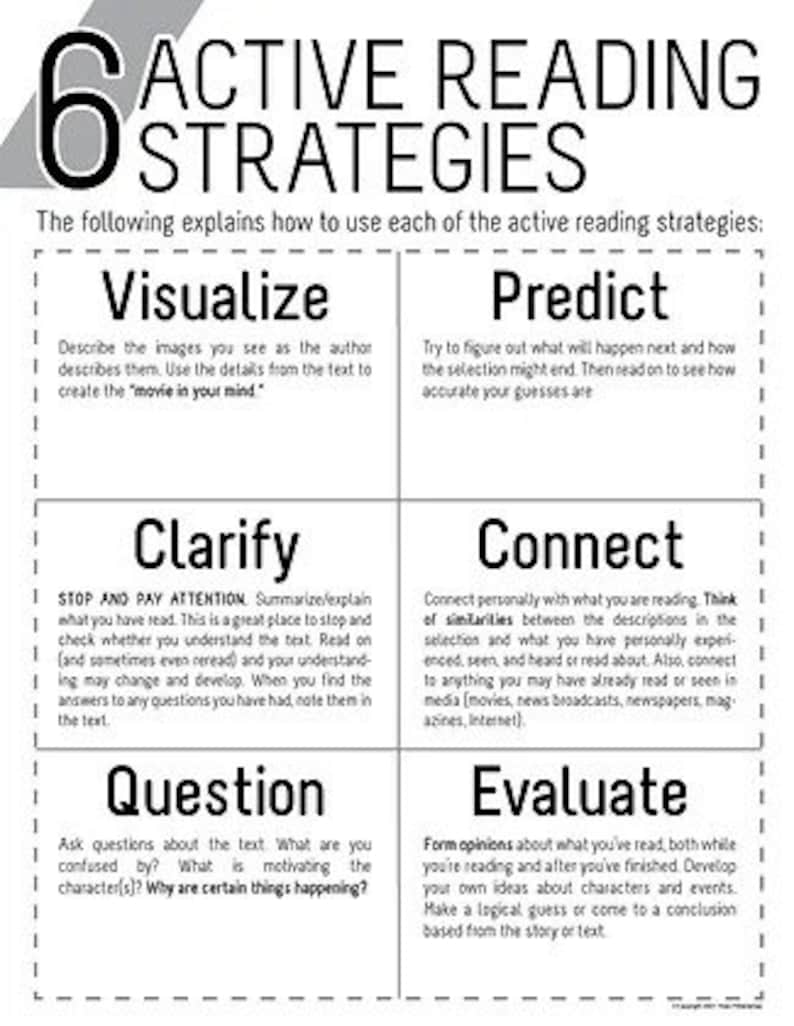
- Scanning (Low Effort): Used for emails, news headlines, or quick research. Your goal is to extract the main idea (the "gist") in seconds. Use your peripheral vision to catch keywords and formatting cues like bold text or bullet points.
- Skimming (Medium Effort): Used for business reports or non-fiction chapters. Read the introduction, the conclusion, and the first sentence of every paragraph. This provides a mental roadmap of the argument.
- Deep Study (High Effort): Used for skill acquisition or complex philosophy. This requires active note-taking, highlighting, and periodic pauses to ensure the concepts are internalized.
Verification: You are successfully using contextual reading if you find yourself spending 80% less time on fluff content and 50% more time on the passages that actually move the needle for your personal or professional goals.
Step 9: Optimize Your Physical and Digital Workspace
Your environment acts as a silent nudge toward—or away from—reading. If your desk is cluttered with devices and your phone is within arm's reach, your brain will naturally gravitate toward the digital dopamine of notifications. Practicing digital minimalism in your reading space is key.
- Create a Reading Sanctuary: Designate a specific chair or corner that is solely for reading. Avoid using this space for email or work. Over time, your brain will associate this physical location with the act of focus (Source 2).
- Digital Hygiene: If you read on an e-reader or tablet, turn off all notifications. Better yet, use "Do Not Disturb" or "Focus Mode" to ensure that your reading time remains a sacred, uninterrupted space.
- Lighting and Posture: Ensure your reading area has adequate lighting. Eye strain is a major contributor to reading fatigue. If your eyes feel tired, your brain will interpret this as a signal to quit.
Warning: Never read in bed if you struggle with insomnia or if you find yourself falling asleep immediately. The bed should be for rest; if you are trying to build a habit, choose a location where you can maintain a high level of alertness.
Step 10: Utilize "Social Learning" to Increase Accountability
Reading is often viewed as a solitary pursuit, but research suggests that social engagement significantly improves retention and motivation. When you discuss what you are reading, you are forced to synthesize the information, which strengthens your memory of the content (Source 1).
Ways to Build Social Accountability
- The "Buddy System": Find one friend or colleague who wants to read more. Agree to read the same book and discuss it every two weeks.
- Participate in Online Forums: Utilize platforms like Reddit’s r/books or niche Discord communities. Posting a brief review or a question about a chapter can lead to insightful exchanges.
- Host a Micro-Book Club: Instead of a traditional, labor-intensive book club, host a 30-minute "Coffee & Concepts" session where each person shares one takeaway from a book they are currently reading.
Verification: You have mastered this step if you find yourself looking forward to sharing your insights, as this indicates you are engaging with the material on a deeper, more personal level.
Step 11: The Art of the "Strategic Pause"
Busy people often view reading as a race to the final page. However, the most effective readers know that the "pause" is where the learning actually happens. Strategic pauses allow your brain to consolidate information and make connections between the text and your real-world experiences.
How to Practice Strategic Pausing
- The Paragraph Break: After finishing a dense paragraph, look away from the page for 10 seconds. Try to mentally paraphrase the core idea.
- The Chapter Reflection: At the end of every chapter, write down one sentence that summarizes the most important takeaway.
- The Connection Prompt: Ask yourself: "How does this information change how I approach my work or my life tomorrow?" This converts abstract knowledge into actionable wisdom.
Verification: You have succeeded if you can recall the main arguments of a book weeks after finishing it, rather than just remembering the title and the general feeling of the book.
Step 12: Managing "Reading Fatigue" and Cognitive Load
Even for the most avid reader, there are days when the brain simply refuses to process text. Recognizing this state is essential to maintaining a long-term habit without burning out and for building reading stamina.
- Switch Modalities: If your eyes are tired from staring at a screen or a page all day, do not force yourself to read a physical book. Switch to an audiobook. This engages a different part of the brain and allows your visual cortex to rest while you continue to consume information (Source 4).
- The "Low-Bar" Day: On days when your mental energy is depleted, don't stop reading entirely. Instead, read something "easy"—a comic, a magazine article, or a short story. The goal is to keep the habit loop alive, even if the intensity is lower than usual.
- Respect Your Circadian Rhythm: If you are a morning person, do your most challenging reading before you start your workday. If you are a night owl, reserve your reading for the end of the day. Aligning your reading with your peak energy levels makes the process feel significantly less like "work."
Caution: Avoid the "all-or-nothing" mentality. Missing a day of reading does not mean you have failed. The goal is consistency over time, not perfection.
Step 13: Bridging the Gap Between Reading and Implementation
The final and most critical step in any reading strategy is the transition from "consuming" to "doing." If you read a book on productivity but never change your workflow, you have not actually read the book—you have merely entertained yourself with the idea of productivity.
The "One-Action" Rule
- Identify the Takeaway: For every book you finish, identify exactly one specific action you will take as a result.
- Schedule the Implementation: Put that action into your calendar. If the book suggests a new morning routine, schedule the first day of that routine in your planner.
- Review and Iterate: One week later, evaluate whether that action provided value. If it did, keep it. If not, pivot.
Verification: You have successfully bridged the gap when your reading list directly leads to tangible improvements in your professional performance or personal well-being.
Step 14: Developing Your Personal "Reading Philosophy"
Over time, your reading habits will evolve. What works for a student or a junior employee may not work for a manager or an entrepreneur. Developing a personal reading philosophy means understanding why you read and which types of books best serve your current life stage, making your personalized reading journey more effective.
- Define Your "Why": Are you reading for professional advancement, escapism, personal growth, or general knowledge? Your strategy should align with your "Why."
- Audit Your Taste: Every year, look back at your reading list. Which books did you love? Which did you regret? Use this data to refine your future selection process.
- Stay Flexible: Your strategy should be a living system. If your life circumstances change—a new job, a move, or a change in family status—revisit these steps and adjust your approach.
Verification: You have mastered this step if you no longer feel the need to chase "productivity hacks" or "speed reading" trends, but instead rely on a customized system that feels natural and sustainable for your unique lifestyle.
Step 15: Overcoming the "Knowledge Curse"
As you read more, you may encounter the "Knowledge Curse"—the feeling that you are consuming so much information that you are becoming paralyzed by it. This happens when we prioritize the volume of information over the integration of information, making combating information overload a crucial skill.
- Curate for Quality, Not Quantity: It is better to deeply understand one book that shifts your worldview than to skim ten books that provide only superficial knowledge.
- Teach What You Learn: The best way to solidify your knowledge is to explain it to someone else. This could be a colleague, a friend, or even just writing a short post on social media. The act of simplification forces you to master the material.
- Accept the Limits of Knowledge: You cannot read everything. Accept that there will always be more books than time. Focus on the books that provide the highest leverage for your current goals.
Warning: Do not let the pursuit of "reading more" become a form of procrastination. Reading is a tool for action. If your reading is keeping you from doing the work that matters, it has become a distraction, not a benefit.
Step 16: The Role of Technology in Modern Reading
While physical books have their charm, technology can be a massive force multiplier for the busy reader. Integrating digital tools effectively can bridge the gap between a scattered, busy life and a focused reading habit.
- E-Reader Synchronization: Use devices that sync across platforms. If you read on your Kindle, ensure the same book is available on your phone via the Kindle app. This allows for seamless transitions between long-form sessions and micro-reading moments.
- Highlight Exporting: Tools like Readwise allow you to automatically sync your highlights from e-readers into note-taking apps like Notion or Obsidian. This creates a searchable database of your insights, effectively turning your library into a personal knowledge base.
- Text-to-Speech (TTS): Modern e-readers and apps have high-quality TTS engines. If you are struggling to get through a dense non-fiction book, use TTS to "read" it while you are doing chores. It is often faster and more efficient than listening to a traditional audiobook, as it maintains the visual pacing of the text.
Verification: You are using technology effectively if your digital tools reduce the friction of reading, rather than adding to the complexity of your digital life.
Step 17: Designing a "Reading Ritual" for High-Stress Periods
During busy seasons—such as a major project deadline or a transition period in your life—your reading habit is often the first thing to disappear. To combat this, you need a "minimalist reading protocol."
- The 5-Minute Rule: On your busiest days, commit to just five minutes of reading. The goal is not to make progress on your book; the goal is to maintain the identity of being a "reader."
- The "Low-Cognitive" Default: Keep a book specifically for high-stress times—something that is easy to pick up, requires little mental effort, and provides comfort.
- Protect the Boundary: Even in the busiest week, you have five minutes. If you can protect five minutes for a meeting, you can protect five minutes for yourself.
Caution: Do not use "being busy" as an excuse to abandon your habits entirely. When you let a habit die, it is much harder to resurrect it than it is to keep a "skeleton version" of it alive during tough times.
Step 18: Evaluating the ROI of Your Reading
Just as you would evaluate the return on investment (ROI) of a business expense, you should evaluate the ROI of your reading. This is not about money, but about the impact on your time and mental clarity.
- Direct ROI: Does the book solve a problem you are currently facing? (e.g., a book on time management for a busy project lead).
- Indirect ROI: Does the book improve your ability to think, communicate, or empathize? (e.g., a novel that improves your emotional intelligence).
- Negative ROI: Does the book drain your energy, increase your stress, or provide no actionable value? If so, why are you still reading it?
Verification: You have reached a high level of reading efficiency when you can confidently stop reading a book that offers a low ROI, regardless of how much "hype" or "prestige" surrounds the title.
Step 19: Building a "Second Brain" for Your Insights
Reading is useless if the information evaporates the moment you close the back cover. Creating a system to store your insights is the hallmark of a high-level reader.
- The Capture Method: Whether you prefer a physical notebook or a digital app, have one single location where you capture your thoughts, quotes, and takeaways.
- The Review Cycle: Once a month, spend 15 minutes reviewing your captured insights. This spaced repetition is vital for long-term retention, significantly optimizing learning efficiency (Source 1).
- The Synthesis Phase: Look for patterns. Does the book you read this month connect with a book you read last year? Connecting new ideas to old ones is how true wisdom is formed.
Warning: Do not let the system become more important than the reading itself. The goal is to capture insights, not to spend all your time organizing notes. Keep the capture process as simple and low-friction as possible.
Step 20: Establishing a "Reading Identity"
Ultimately, the most sustainable reading strategy is not a technique; it is an identity. When you start to view yourself as a "reader," the actions required to maintain the habit become a natural expression of who you are, rather than a task you have to force yourself to complete.
- Speak Your Identity: Don't say "I don't have time to read." Say "I am a person who prioritizes reading." The shift in language changes how you view your time.
- Model the Behavior: If you have children or colleagues, let them see you reading. Modeling the behavior reinforces your own commitment and can influence those around you.
- Celebrate Small Wins: Did you finish a book? Did you manage to read for 10 minutes every day this week? Celebrate these moments. They are the building blocks of a lifelong habit.
Verification: You have achieved your goal when reading is no longer an item on your to-do list, but a standard part of your daily rhythm, as natural and necessary as brushing your teeth or drinking your morning coffee. By following these steps, you have moved from a passive consumer of information to an active, intentional reader who controls their own intellectual growth. Your TBR list is no longer a source of stress, but a curated library of your future potential.
Step 21: The Power of "Interleaved Reading" for Mental Agility
If you find that your focus wanes when sticking to a single, dense subject for too long, consider the strategy of interleaved reading. This involves rotating between two or three books of different genres or complexities within a single week.
- Balance Your Cognitive Load: Pair a challenging, heavy non-fiction book with a lighter, narrative-driven biography or novel. When your brain hits a wall with the complex material, switching to the lighter text keeps your reading momentum alive (Source 3).
- Encourage Cross-Pollination: Often, the insights from a novel can provide a fresh metaphor for a problem you are trying to solve in a technical manual. Keeping your mind flexible by switching topics prevents the "tunnel vision" that can occur during deep study.
- Verification: You are succeeding at interleaving if you find that you are reading more total pages per week because your brain feels "refreshed" rather than fatigued by the variety.
Step 22: Protecting Your "Deep Work" Reading Windows
While micro-reading is excellent for momentum, your most profound breakthroughs will come from Deep Work—extended, uninterrupted sessions.
- Schedule "Reading Sprints": Treat these like high-priority meetings. Block 60–90 minutes on your calendar twice a week. During this time, your phone is in another room, and your notifications are silenced (Source 2).
- Environment Priming: Use a specific sensory cue to trigger these deep sessions, such as a particular tea, a specific playlist of lo-fi beats, or a desk lamp that you only turn on when it is time for serious study.
- Caution: Do not attempt these sprints when you are physically exhausted. Deep work requires high glucose levels and mental alertness; save your most demanding texts for your peak energy hours.
Final Thoughts: The Infinite Game of Literacy
Building a reading habit is not a sprint toward an empty bookshelf; it is an infinite game. The goal is not to "finish" all the books in the world, but to cultivate a mind that remains curious, agile, and resilient in an era of constant change. By moving from passive consumption to an active, systematic approach, you transform reading from a source of guilt into your greatest competitive advantage. Embrace the process, respect your limits, and keep turning the page. Your future self will thank you for the wisdom you are gathering today.
References
-
Readinggenius — 12 Effective Reading Strategies That Actually Work, 2026
-
Beguiledbybooks — The Ultimate Guide to Building a Reading Habit (Even With a Busy Life …, 2026
-
Medium — How to Read More Efficiently: Simple Strategies for Busy People, 2026
-
Eitemad — Top 10 Effective Reading Strategies for the Busy Person, 2026
-
Whatwereading — How To Read More Books: Tips For Busy People, 2026
-
Bookdot — How to Find Time to Read When You're Busy: Practical Strategies That …, 2026
-
Lifehack — 11 Ways Busy People Make Time To Read – Lifehack, 2026
-
Everydayeyecandy — How to Make time to Read: 10 Simple Tips For Busy People, 2026