How To Make Reading A Daily Habit In 2026
In 2026, the battle for your attention has never been more intense. With the average person spending over seven hours a day scrolling through digital noise, reclaiming your focus is a radical act of self-care. Developing a daily reading habit is no longer just about hitting a "books read" quota; it is a scientifically proven method to reshape your cognition, improve your sustained attention, and bolster your emotional well-being.
Whether you are a busy professional, a student, or someone looking to escape the cycle of doom-scrolling, this guide provides the blueprint for building a reading routine that actually sticks. By leveraging 2026 research on micro-reading and habit design, you can transform reading from a "should-do" chore into a cornerstone of your daily rhythm.
Prerequisites and Tools for Success
Before you begin your journey, gather these essentials to reduce friction and set yourself up for success:
- A "Minimum Viable Dose" Plan: Commit to just 5–10 minutes or 5 pages per day.
- An E-ink Reader or Physical Book: Choose a format that minimizes digital distractions.
- A Tracking Tool: Use apps like The StoryGraph or Book Tracker to log progress without the pressure of performance.
- An Audiobook Setup: Use platforms like Libro.fm for commutes, chores, or mental health walks.
- A Dedicated "Anchor" Time: A specific slot in your day (e.g., morning coffee or pre-sleep) to trigger the habit.
Step 1: The "Two-Minute Rule" for Habit Formation
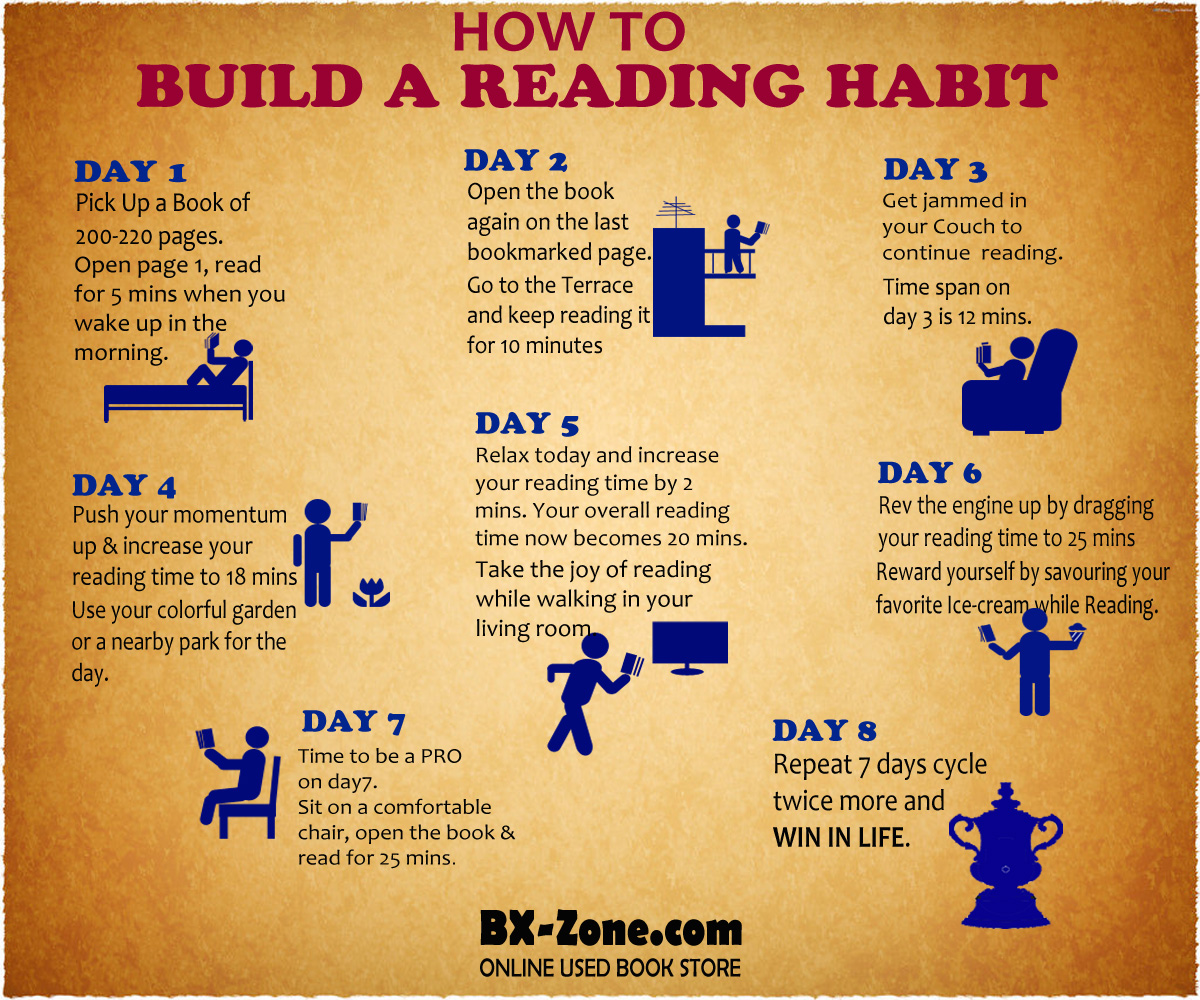
The biggest mistake aspiring readers make is setting an unsustainable daily goal, such as reading for an hour or finishing a chapter every night. In 2026, behavioral science suggests that willpower is a finite resource. Instead, use the Two-Minute Rule.
- Define your micro-goal: Commit to reading for only two minutes or just two pages.
- Remove the barrier to entry: Keep your book or e-reader in the exact spot where you plan to read.
- Execute: When the time comes, open the book. If you stop after two minutes, you have still succeeded. If you read for twenty, that is a bonus.
- Verification: You know this step is successful if you complete your two-minute session consistently for seven days without feeling the urge to quit.
Caution: Do not let "productivity guilt" creep in. If you are exhausted, reading for two minutes is a win. Forcing yourself to read when you are burnt out will eventually lead to resentment and the collapse of the habit.
Step 2: Optimize Your Environment for Deep Focus
Distraction is the enemy of comprehension. Research from 2026 highlights that distraction-free exposure is a key metric for cognitive improvement.
- The Phone-Free Zone: When you sit down to read, leave your phone in another room. The mere presence of a smartphone can fragment your attention.
- Utilize E-Ink: If you are prone to digital distraction, an e-ink reader is superior to a tablet. It mimics paper and removes the temptation of notifications.
- Anchor Your Ritual: Pair reading with an existing habit. If you drink coffee every morning, place your book directly on top of your coffee mug. This habit stacking creates a natural trigger for your brain.
Step 3: Mastering the 50-Page "First Impression" Rule
Not every book is a perfect match, and that is okay. To avoid the trap of "reading slump," adopt the 50-Page Rule.
- The Buffer Period: Give a new book at least 50 pages to hook you. This allows enough time for the plot, characters, or writing style to establish themselves.
- The Permission to Quit: If you reach page 50 and still find no joy or engagement, put the book down. Life is too short to force-read books that don't resonate with you.
- Verification: You have successfully applied this step when you stop finishing books out of obligation and start finishing them out of genuine interest.
Step 4: Integrating Audiobooks as Legitimate Reading
There is a persistent, outdated stigma that audiobooks are "cheating." In 2026, the consensus is clear: listening to a book is reading.
- Multitasking Efficiency: Use audiobooks during tasks that require low cognitive load, such as commuting, folding laundry, or walking the dog.
- Genre Expansion: Audiobooks are a fantastic way to explore genres you might find intimidating in text form, such as complex biographies or dense non-fiction.
- Accessibility: If you suffer from eye strain or struggle with physical books, audiobooks provide an accessible path to literary engagement.
Step 5: The Two-Step Retrieval Method
Reading without reflection is "olvidarable"—meaning it is easily forgotten. To ensure the knowledge you gain actually sticks, implement a two-step reflection process after each session.
- The Takeaway: Write down one single sentence that summarizes what you just read.
- The Action: Identify one small thing you can try or think about differently based on that reading.
- Verification: Export these weekly to a notes app. If you can look back at your notes and recall the core ideas of the book, you are effectively integrating deep comprehension into your routine.
Step 6: Avoiding the "Performance" Trap
In the age of social media, reading can easily become a performance. When you focus on numbers—how many books you finished, how fast you read—the experience loses its grounding, restorative power.
- Avoid Comparison: Don't let your reading goals be dictated by what others are posting on BookTok or LinkedIn.
- Focus on Growth, Not Quantity: Shift your goals from "I want to read 50 books" to "I want to learn about [Subject X]" or "I want to spend 20 minutes a day away from my phone."
- The Joy Metric: If you find yourself reading only to check a box, take a step back. Revisit the reason you started: for escapism, joy, or personal growth.
Warning: Be wary of the "Comparison Trap." If you feel guilty about your reading pace, you are focusing on the wrong metrics. A healthy habit is flexible and adapts to your life, not the other way around.
Step 7: The "JPEG-First" Capture Workflow
Modern reading is often fragmented across articles, newsletters, and digital essays. To prevent these insights from vanishing into the ether, 2026 workflows emphasize a mobile photography-to-note pipeline. This ensures that your digital reading is as curated and accessible as your physical library.
- Capture the Essence: When you encounter a passage in a digital format that resonates, take a high-quality screenshot. In 2026, mobile photography tools allow for instant text extraction (OCR).
- The Repository: Instead of leaving screenshots to clutter your camera roll, move them to a dedicated folder or a "read-later" service like Readwise or Obsidian.
- Contextual Tagging: Label your captures with the date and a brief topic tag (e.g., #CognitiveScience, #HabitDesign). This creates a searchable personal knowledge base.
- Verification: You have mastered this step when you can search your notes for a specific concept you read three months ago and retrieve the original screenshot within ten seconds.
Caution: Do not become a "digital hoarder." Capturing an article is not the same as reading it. Only capture content that provides immediate value or sparks a genuine intellectual curiosity. If you are capturing for the sake of "someday," you are simply creating a graveyard of unread digital files.
Step 8: Building a Micro-Community for Depth
While reading is a solitary act, the social accountability of a reading circle can amplify your engagement levels. In 2026, the most effective groups are small, focused, and prioritize "discussion over volume."
- The 10/20 Rule: Form a group of 3–4 people. The structure is simple: 10 minutes of silent, shared reading, followed by 20 minutes of focused discussion.
- Shared Agendas: Avoid sprawling book clubs that focus on social drinking rather than the text. Instead, select a specific chapter or article beforehand that everyone reads.
- Venue Safety: If meeting in person, ensure the environment is conducive to quiet focus. Use local community spaces or quiet corners of public libraries to minimize external noise.
- Verification: Your community is successful if participants leave the session with a new perspective or a question they hadn't considered before the discussion began Source 1.
Step 9: Leveraging "Low-Friction" Comprehension Checks
As we look toward 2026, technology is shifting from "tracking" to "nurturing." New tools are emerging that provide subtle, non-intrusive prompts to help you maintain cognitive depth without gamifying the experience to the point of distraction.
- Active Recall Prompts: Use browser extensions or e-reader features that ask you a single, open-ended question at the end of a reading session.
- Avoid "Gamification Fatigue": If your reading app starts sending you "streak alerts" that induce anxiety, disable them immediately. The goal is internal motivation, not external validation from an algorithm.
- The Depth Metric: Monitor your reading by how well you can explain a concept to a friend after finishing a section, rather than how many pages you turned.
- Verification: You are successful when you find yourself naturally synthesizing ideas from different books during everyday conversations.
Step 10: Navigating the "Reading Slump" with Variety
Even the most dedicated reader will face periods of disinterest. A "reading slump" is not a failure; it is a signal that your current input does not match your current mental state.
- The Palate Cleanser: When you feel stuck, switch formats entirely. If you have been reading dense non-fiction, move to a graphic novel, a collection of poetry, or a fast-paced thriller.
- Lower the Stakes: Re-read a favorite childhood book. The nostalgia provides a safe, low-stress environment that can help "re-prime" your brain for longer-form content.
- The "Reset" Period: Give yourself permission to take a three-day break from reading. Often, a short hiatus is exactly what is needed to regain the appetite for the written word.
- Verification: You have successfully navigated a slump when you find yourself reaching for a book again without feeling like it is a chore.
Step 11: Designing Your Physical Reading Environment
Your environment dictates your behavior. If your physical space is cluttered or optimized for screen time, your reading habit will struggle to take root.
- The "Reading Anchor": Designate a specific chair or corner of your home exclusively for reading. Over time, your brain will associate this physical space with the calm state of reading.
- Lighting Matters: Proper, warm-toned lighting reduces eye strain, which is a common physical barrier to long-term reading sessions.
- Sensory Cues: Consider using a specific scent (like a candle) or a specific drink (like herbal tea) only when you are in your "reading zone." This multisensory association strengthens the habit loop.
- Verification: You know this step is successful when simply sitting in your "reading chair" makes you feel a sense of mental readiness or relaxation.
Step 12: Integrating Reading into the "Busy Professional" Schedule
The common misconception is that reading requires large, uninterrupted blocks of time. In reality, the most successful readers in 2026 are those who master "interstitial reading"—the ability to read in the gaps of a busy day.
- The 5-Minute Window: If you are waiting for a meeting to start or sitting in a carpool line, use those 5 minutes to read. These fragments compound significantly over a week.
- The "Always-On" Kit: Carry a physical book or have a reading app pre-loaded on your phone at all times. If you have to search for your book, the opportunity will pass.
- The Commute Shift: If you drive, replace podcasts with audiobooks. If you take public transit, prioritize reading over scrolling through social media feeds.
- Verification: You are succeeding when you no longer feel the urge to pull out your phone the moment you have a spare second of downtime.
Step 13: Curating Your "To-Read" List for Intentionality
A chaotic reading list can lead to decision paralysis. When you have too many options, you often end up reading nothing at all.
- The "Must-Read" vs. "Nice-to-Read": Keep your list limited to 3–5 books at any given time. This keeps your focus sharp and prevents the overwhelm of a massive, unmanageable backlog.
- The Seasonal Rotation: Align your reading list with your life goals. If you are starting a new project, prioritize books on that subject. If you are in a high-stress season, prioritize lighter, more comforting reads.
- The "No-Guilt" Purge: Regularly delete books from your "to-read" list that no longer excite you. Your interests change, and your list should reflect your current self, not your past self.
- Verification: You have mastered this when you look at your "to-read" list and feel excitement rather than the pressure of a "to-do" list.
Step 14: Protecting Your Cognitive Privacy
In 2026, reading is an act of digital resistance. By choosing to read, you are choosing to prioritize your own thoughts over the noise of the internet.
- Offline Mode: Whenever possible, put your devices in Airplane Mode while reading. Even if you aren't receiving notifications, the potential for them creates a low-level background anxiety.
- Value-Based Reading: Ask yourself: "Does this book help me think more clearly, feel more deeply, or understand the world better?" If the answer is no, reconsider why you are spending your limited attention on it.
- The "Deep Work" Connection: Recognize that the sustained attention required for reading is the exact same muscle required for high-level professional work. By reading, you are literally training your brain for better performance in your career Source 1.
- Verification: You are successful when you notice that your attention span during work tasks has increased, and your frustration with digital interruptions has decreased.
Step 15: Adapting to the "E-Ink" Revolution of 2026
The hardware landscape for reading has matured significantly. Choosing the right device can be the difference between a habit that flourishes and one that fades.
- Prioritize E-Ink: Unlike tablets, e-ink displays do not emit blue light and are designed to be glare-free, even in direct sunlight. This makes them the gold standard for long-form reading.
- The "Distraction-Free" Setup: If you use a dedicated e-reader, turn off all connectivity features if possible. Treat the device as a single-purpose tool, not a secondary tablet.
- Audio-Text Synergy: Modern e-readers often allow for seamless switching between reading and listening (Whispersync). If you are reading a book at home and have to leave for an errand, use the audio version to pick up exactly where you left off.
- Verification: You know your setup is right if you find yourself reading for 30 minutes without ever feeling the urge to check a notification or switch apps.
Step 16: The Art of "Skimming" vs. "Deep Diving"
Not every book deserves the same level of attention. Learning to distinguish between the two is a vital skill for the modern reader.
- The 20% Rule: For non-fiction, try to extract 80% of the value from 20% of the pages. Read the introduction, the conclusion, and the subheadings first. If the content is what you expected, dive into the chapters.
- Deep Dives: For literature, poetry, or complex philosophy, commit to the deep dive. These texts require a slow, immersive pace that cannot be rushed.
- Strategic Abandonment: If a book promises a solution to a problem but fails to deliver, stop reading it immediately. Use the time you saved to find a better resource.
- Verification: You have mastered this when you can identify the "signal" in a book within the first few chapters and adjust your reading speed accordingly.
Step 17: Managing Your "Attention Budget"
Think of your daily attention as a bank account. If you spend it all on social media, there is nothing left for deep reading.
- The Morning Deposit: The best time to "invest" your attention is early in the day, before the demands of work and life begin to deplete your cognitive reserves.
- The Evening Withdrawal: If you read at night, choose content that helps you wind down. Avoid high-stress or complex material that might keep your brain in a state of high arousal.
- The "Screen-to-Page" Buffer: Try to avoid moving directly from an intense screen-based task to a reading session. Take a 5-minute break to reset your eyes and your mind.
- Verification: You are successful when you can transition into a reading state within minutes of sitting down, regardless of how busy your day was.
Step 18: Developing an "Intellectual Architecture"
Your reading habit should not be a collection of isolated facts, but a structure of knowledge that grows over time.
- Connecting the Dots: When you read a new book, try to link it to something you read previously. "How does this author's perspective on X compare to the author I read last month?"
- Thematic Reading: Group your reading into "themes" or "quarters." For example, dedicate three months to learning about history, then three months to science. This helps build a deeper, more cohesive understanding of a topic.
- Active Marginalia: Whether in a physical book or a digital reader, take notes directly on the text. Highlighting is passive; writing your own thoughts in the margins is active.
- Verification: You have mastered this when you start seeing patterns and connections between books that seem unrelated on the surface.
Step 19: The Psychology of "Restorative Reading"
In 2026, we are learning that reading is a form of cognitive recovery. It is a way to "re-calibrate" the brain after the high-stimulation environment of the digital world.
- The Empathy Factor: Fiction, in particular, has been shown to improve social cognition and empathy by forcing us to inhabit the minds of characters different from ourselves Source 3.
- Stress Reduction: Even a short, 6-minute reading session has been shown to significantly lower heart rate and muscle tension, making it an effective tool for immediate stress relief.
- The Sleep Hygiene Connection: Replacing your phone with a physical book before bed is one of the most effective ways to improve your sleep quality. The lack of blue light helps your body transition into a restful state.
- Verification: You know this is working when you feel a measurable sense of calm and clarity after your reading sessions.
Step 20: Avoiding "The Comparison Trap"
The digital age makes it easy to feel like you aren't "reading enough." Ignore the performative metrics of the internet.
- Your Pace is Your Pace: Whether you read one book a month or one book a year, if that reading is contributing to your growth and well-being, you are succeeding.
- The "Comparison is the Thief of Joy" Rule: If you find yourself comparing your reading progress to others, hide your reading stats from public view. Your reading habit is for you, not for your followers.
- Focus on the Transformation: The value of a book is not found in the fact that you "finished" it, but in how it changed your perspective or your life.
- Verification: You are successful when you feel a sense of internal satisfaction with your reading progress, independent of any external validation.
Step 21: Setting Up a "Library" of Potential
Your environment should be stocked with options that are ready for you to pick up at a moment's notice.
- The "To-Read" Stack: Keep a small pile of books on your nightstand or your desk. The visual reminder is a powerful nudge to read.
- The "Digital Shelf": Keep a folder on your phone or e-reader with a curated list of articles, essays, and book excerpts that you are excited to read.
- The Library/Indie Bookstore Connection: Support your local bookstore or library. The act of browsing in person is a sensory experience that can spark a love for reading in a way that online algorithms cannot.
- Verification: You know your "library" is effective when you always have something you are genuinely excited to read next.
Step 22: The Role of "Slow Reading"
In a world that prizes speed and efficiency, "slow reading" is a radical act. It is the practice of lingering on a sentence, re-reading a paragraph, and letting the ideas settle.
- Savoring the Language: Don't rush through beautiful prose. Stop and appreciate the way an author constructs an argument or describes a scene.
- The "Pause and Think" Method: After a particularly impactful passage, close the book and spend a few minutes just thinking about what you read.
- Quality Over Quantity: It is better to read one book slowly and deeply than to rush through ten books without retaining anything.
- Verification: You have mastered this when you find yourself naturally slowing down your reading pace to fully absorb the content.
Step 23: Integrating Reading into Your Professional Identity
For many, reading is seen as a "hobby" that is separate from their professional life. In 2026, the most successful people are those who integrate their reading into their work.
- The "Professional Development" Stack: Dedicate a portion of your reading time to books that challenge your industry assumptions or provide new frameworks for problem-solving.
- The "Cross-Pollination" Strategy: Read widely outside of your field. The best ideas often come from applying concepts from one discipline to another.
- Sharing Your Insights: Use what you learn to write a short internal memo, a blog post, or to start a conversation with a colleague. This reinforces the knowledge and adds value to your professional community.
- Verification: You are successful when you find yourself using concepts from your reading to solve real-world problems in your career.
Step 24: The "Habitual Resilience" Mindset
There will be days—or even weeks—where you don't read at all. This is not a failure of your habit; it is a normal part of life.
- The "Never Miss Twice" Rule: If you miss a day of reading, don't let it turn into a week. Get back on track the very next day.
- Forgive Yourself: If you have a busy season, don't feel guilty about a temporary drop in your reading volume. Your habit will be there when you are ready to return.
- The "Long-Term View": A reading habit is measured in years, not in days or weeks. Don't let the short-term fluctuations distract you from the long-term goal.
- Verification: You have mastered this when you can bounce back from a break without feeling the need to "catch up" or "make up for lost time."
Step 25: Cultivating Curiosity as a Lifelong Metric
The ultimate goal of a reading habit is not to "finish" books, but to cultivate a mind that is constantly questioning, learning, and growing.
- Follow the "Rabbit Hole": When a book mentions a topic or author you are interested in, follow that lead. Let your reading be a journey of discovery.
- The "Question-First" Approach: Before you start a book, ask yourself: "What question do I hope this book will help me answer?" This gives your reading a sense of purpose and direction.
- The "Curiosity Log": Keep a list of questions that arise from your reading. Use these to guide your future reading choices.
- Verification: You are successful when you find that your reading leads to more questions than it answers.
Step 26: The Future of Reading in 2030
As we look toward the end of the decade, the tools for reading will continue to evolve, but the core human need for deep, focused engagement will remain the same.
- Anticipating Nudges: Expect to see more tools that provide gentle, non-intrusive prompts to help you maintain your reading flow without the distraction of gamification Source 1.
- The Integration of AI: AI will likely play a larger role in helping us curate our reading lists and summarize long-form content, but it will never replace the experience of deep reading itself.
- The Value of "The Human Element": As AI-generated content becomes more prevalent, the value of human-authored, thoughtful, and deeply researched work will only increase.
- Verification: You are prepared for the future when you can adapt to new tools while staying grounded in the timeless value of the written word.
Step 27: Measuring Success Beyond the Page
How do you know if your reading habit is "working"? It isn't about the number on your app; it's about how you feel and how you think.
- Cognitive Clarity: Do you feel like you can focus for longer periods? Is your thinking more nuanced?
- Emotional Well-being: Do you feel less stressed? More empathetic? More connected to the world around you?
- Intellectual Growth: Are you more curious? More knowledgeable? More open to new ideas?
- Verification: You are successful when you realize that reading has become an essential part of who you are, rather than just something you "do."
Step 28: The "Reading as a Lifestyle" Philosophy
Ultimately, a reading habit is about more than just books. It is about a way of living that prioritizes depth, reflection, and continuous learning.
- The "Slow Living" Connection: Reading is a natural complement to a lifestyle that values quality, intentionality, and presence.
- The "Lifelong Learner" Identity: By committing to a daily reading habit, you are making a statement that you are someone who never stops learning, never stops growing, and never stops exploring.
- The "Legacy" Aspect: The books you read and the ideas you internalize become a part of you. They shape your perspective, your values, and your contributions to the world.
- Verification: You have reached the pinnacle of a reading habit when you can't imagine your life without it.
Step 29: Avoiding the "Information Overload" Trap
In 2026, we are bombarded with more information than ever before. A key part of a healthy reading habit is learning how to filter that noise.
- The "Curation" Mindset: Treat your reading list like a curated gallery. Only allow the best, most impactful, and most interesting content to enter your space.
- The "Quality over Quantity" Filter: It is better to read one book that changes your life than to read ten books that you forget as soon as you finish.
- The "Time-Limited" Filter: If an article or book doesn't capture your interest within the first few pages, don't feel obligated to finish it. Your time is your most valuable resource.
- Verification: You are successful when you feel a sense of relief and focus from the books you choose to read, rather than a sense of anxiety from the ones you haven't.
Step 30: The Power of "Re-reading"
We often feel the pressure to only read new books, but there is immense value in returning to the ones that have shaped us.
- The "Growth" Perspective: When you re-read a book after a few years, you bring a new version of yourself to the text. You will notice things you missed, and the book will speak to you in a different way.
- The "Comfort" Factor: Re-reading a favorite book is a form of emotional rest. It is a way to recharge your batteries and reconnect with the ideas and stories that have always resonated with you.
- The "Deepening" Process: Re-reading allows you to move from a surface-level understanding to a deeper, more profound mastery of the material.
- Verification: You have mastered this when you start to see your favorite books as lifelong companions that you can return to time and time again.
Step 31: Creating "Reading Rituals" for Different Contexts
Your reading habit should be flexible enough to adapt to your life, not rigid enough to break under pressure.
- The "Commute" Ritual: If you have a regular commute, make it your dedicated audiobook time. This turns a mundane part of your day into an opportunity for growth.
- The "Bedtime" Ritual: Create a calming, screen-free space for evening reading. This is the perfect time for fiction or lighter non-fiction that helps you wind down.
- The "Lunch Break" Ritual: Even a 10-minute break during the workday can be a powerful time for reading. It provides a mental reset that can boost your productivity for the rest of the day.
- Verification: You are successful when you have a go-to reading strategy for every part of your day, making it easy to fit reading into any schedule.
Step 32: The Value of "Reading Across Disciplines"
To truly understand the world, you need to read widely. Don't limit yourself to one genre or one way of thinking.
- The "Polymath" Approach: Read books on science, art, history, psychology, and technology. The most creative solutions often come from combining ideas from disparate fields.
- The "Challenging Perspective" Rule: Seek out books that challenge your current beliefs. It is only by engaging with ideas that make us uncomfortable that we truly grow.
- The "Broadening Horizons" Strategy: Make a conscious effort to read authors from different cultures, backgrounds, and experiences. This expands your empathy and your understanding of the human condition.
- Verification: You are successful when you find yourself able to engage in thoughtful, informed conversations about a wide range of topics.
Step 33: Establishing "Reading Boundaries"
Just as you need boundaries for your work and your digital life, you need boundaries for your reading.
- The "No-Phone Zone" Commitment: When you are reading, truly commit to it. No phone, no social media, no distractions. This creates the "deep work" space that is essential for real comprehension.
- The "Time-Bound" Commitment: If you only have 15 minutes, make them 15 minutes of high-quality, focused reading. Don't try to multitask.
- The "Engagement" Boundary: If you find yourself reading without actually thinking about the content, stop. It's better to take a break and come back when you are refreshed.
- Verification: You know your boundaries are working when you feel a sense of clarity and focus after your reading sessions, rather than a sense of mental fatigue.
Step 34: The "Reading Log" as a Personal History
Keeping a record of what you read is not just about tracking numbers—it's about documenting your intellectual journey.
- The "Reflective" Log: Don't just record the book title and author. Add a few sentences about what you thought, what you learned, and how it made you feel.
- The "Evolution" View: Over time, your reading log will become a fascinating map of your changing interests, your growing knowledge, and your evolving perspective.
- The "Recommendation" Source: Your reading log is the best place to find recommendations for friends, family, and colleagues. It is a curated collection of everything that has resonated with you.
- Verification: You have mastered this when you can look back at your reading log from years ago and see a clear, tangible record of your intellectual growth.
Step 35: The "Active Reading" Mindset
Reading is not a passive activity. It is a conversation between the author and the reader, and the more you put into it, the more you get out of it.
- The "Inquiry" Method: Always read with a question in mind. What is the author trying to say? How does this relate to what I already know? What are the implications of these ideas?
- The "Debate" Method: Don't just accept everything the author says. Question their assumptions, challenge their conclusions, and look for evidence to support or refute their arguments.
- The "Application" Method: Always look for ways to apply what you are reading to your own life. How can this help me be a better person, a better professional, or a better citizen of the world?
- Verification: You are successful when you find yourself engaging in an internal dialogue with every book you read, rather than just passively absorbing the information.
Step 36: Sustaining the Habit Through "Community Feedback"
Your reading habit will be stronger if you have a community to share it with.
- The "Accountability" Factor: Share your reading goals with a friend or colleague. Having someone to check in with can be a powerful motivator.
- The "Discussion" Advantage: Discussing a book with others is the best way to test your understanding and gain new insights. It forces you to articulate your ideas and listen to others.
- The "Collective" Wisdom: A community of readers is a source of endless recommendations, different perspectives, and shared learning. It turns a solitary habit into a social experience.
- Verification: You are successful when you feel that your reading is a part of a larger, ongoing conversation with the people in your life.
Step 37: The "Reading as a Path to Clarity" Philosophy
In a world of constant noise, reading is a path to mental clarity.
- The "Filter" Effect: Reading helps you filter out the trivial and focus on what truly matters. It helps you see the big picture and understand the underlying principles of the world.
- The "Focus" Training: Reading is the best exercise for your attention span. It trains you to stay with a single, complex idea for an extended period, which is a rare and valuable skill in the modern world.
- The "Perspective" Builder: Reading gives you access to the best ideas, the most interesting stories, and the most profound insights of history. It helps you see beyond your own limited experience and understand the world in a more nuanced and compassionate way.
- Verification: You are successful when you feel that your mind is clearer, your focus is sharper, and your perspective is broader because of your reading habit.
References
-
Emphasis — Daily Reading Habit (2026): How Regular Reading Reshapes Attention and …, 2026
-
Yourstory — 2026 Reading goals: How to create a lasting book habit, 2026
-
Usatoday — How to read more in 2026 and make that New Year's Resolution stick, 2026
-
Thebookishmindset — Make Reading a Habit in 2026 – The Bookish Mindset, 2026
-
Prettybookplaces — Reading Habits for 2026: Healthy Routines That Really Work, 2026
-
Linkedin — 8 simple habits to get you reading more in 2026 – LinkedIn, 2026
-
Linkedin — How to Develop a Reading Habit? 10 Simple Steps That … – LinkedIn, 2026
-
Makeheadway — Reading Goals: How to Build a Learning Habit That Actually Sticks, 2026