Life-changing Books Everyone Should Read
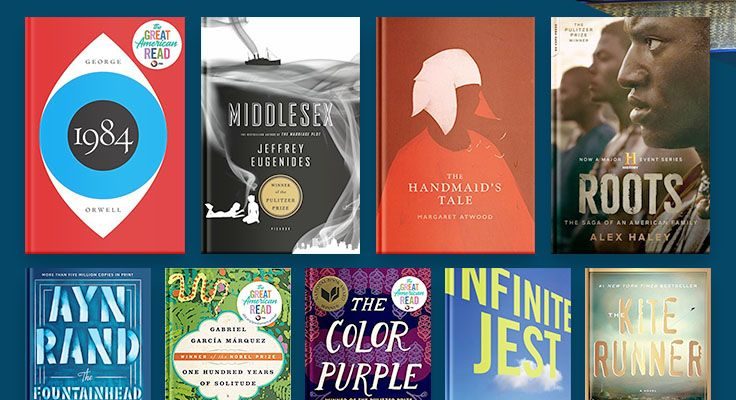
In a world saturated with digital noise and fleeting content, the act of deep reading remains one of the most powerful tools for personal transformation. Whether you are looking to refine your leadership skills, sharpen your mindset, or simply find clarity in an increasingly complex world, the right book can act as a catalyst for profound change. As we navigate the challenges and opportunities of 2026, curating your library is not just a hobby—it is a strategic investment in your future.
Research indicates that the best life-changing books are those that bridge the gap between human experience and actionable wisdom. By drawing on recommendations from world-renowned experts, industry leaders like Reid Hoffman and Sheryl Sandberg, and millions of reader ratings, we have identified the essential titles that define the current literary landscape.
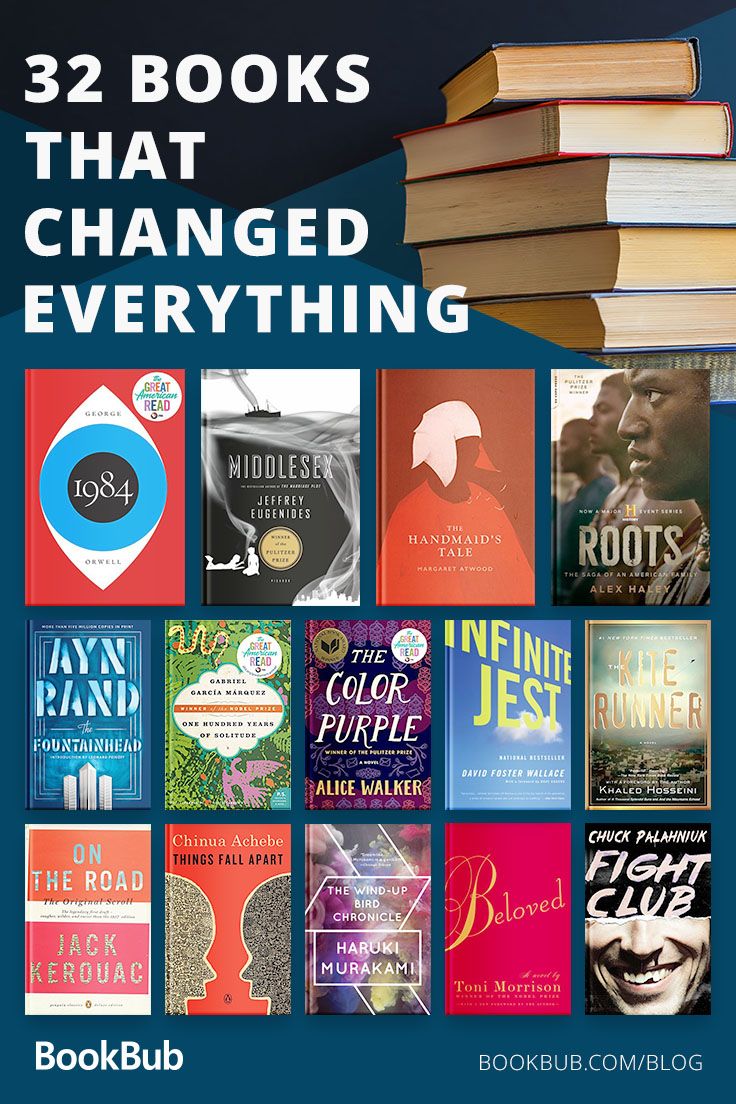
Why You Need a Curated Reading List for 2026
Reading is more than just a pastime; it is a medium to scale your understanding and perspective. When you engage with transformative literature, you aren't just consuming information—you are internalizing new frameworks for decision-making and empathy. A life-changing book challenges your existing biases, forces you to reexamine your beliefs, and provides a roadmap for navigating life's inevitable obstacles.
The Criteria for Transformative Literature
To determine if a book belongs on your "must-read" list for 2026, consider these essential qualities:
- Perspective-Shifting: Does the narrative force you to view the world through a different lens?
- Emotional Resonance: Does it evoke visceral feelings that help you connect with complex ideas?
- Actionable Insight: Does it offer more than just theory, providing practical strategies for personal growth?
- Universal Value: Can the themes apply across different cultures and generations?
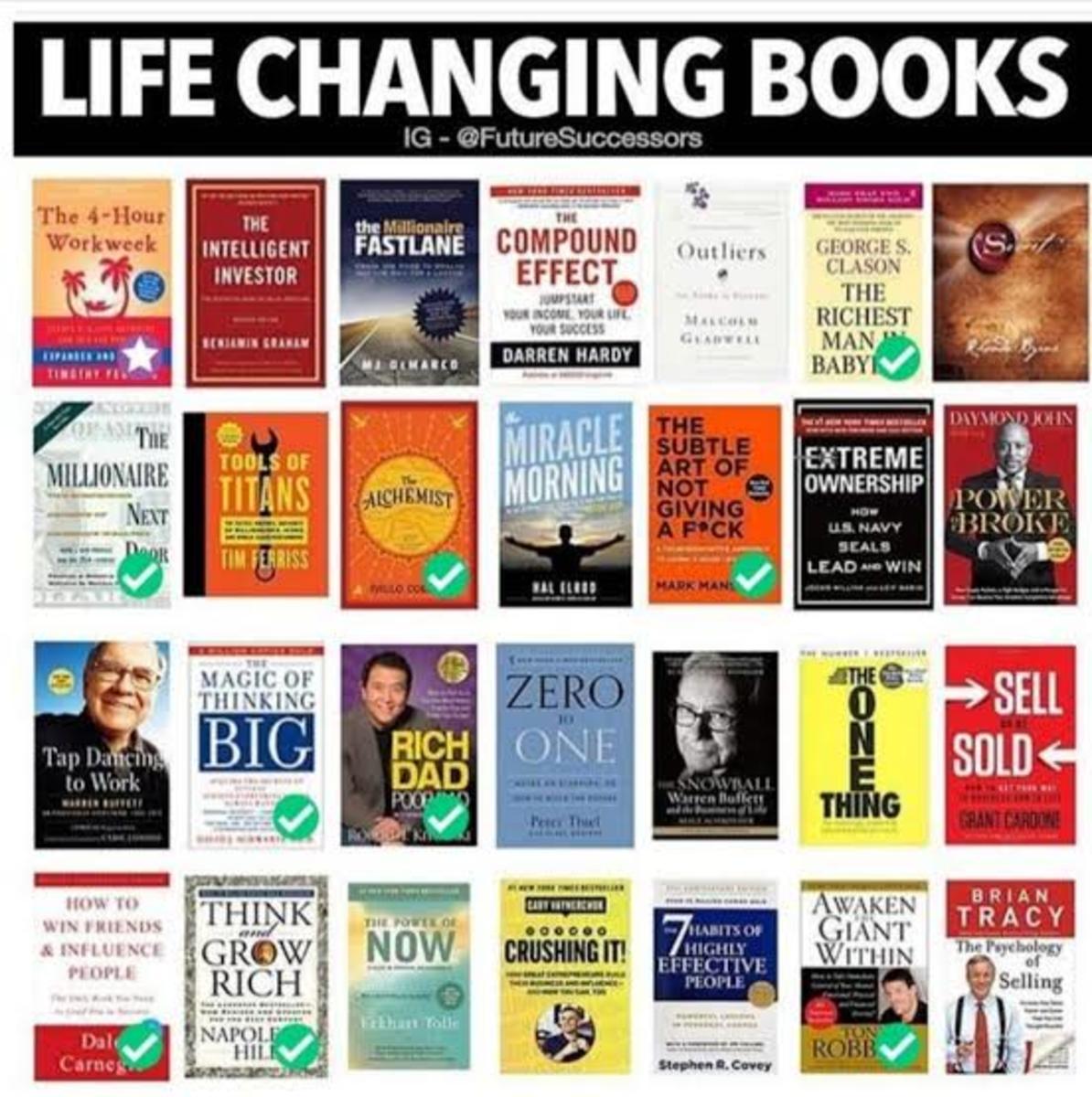
The Gold Standard: Man’s Search for Meaning
If there is one book that consistently tops the lists of experts and readers alike, it is "Man’s Search for Meaning" by Viktor E. Frankl. With over twelve million copies in print worldwide, this work is far more than a memoir; it is a foundational text in existential psychology.
Understanding Logotherapy
Frankl’s theory, known as logotherapy, posits that the primary drive in human life is not the pursuit of pleasure, but the discovery and pursuit of meaning. Having labored in four different Nazi concentration camps, including Auschwitz, Frankl observed that those who survived were often those who found a sense of purpose even in the midst of unimaginable suffering.
How to Apply Frankl’s Wisdom
- Acknowledge the Inevitability of Suffering: Frankl argues that we cannot avoid suffering, but we have total control over how we cope with it.
- Identify Your "Why": Determine what gives your life significance. Whether it is a project, a person, or a belief, having a purpose is your greatest defensive asset.
- Choose Your Attitude: In any given situation, you retain the freedom to choose your internal response.
- Verification: You know you have successfully applied these lessons when you find yourself remaining calm and purposeful during high-stress situations that previously triggered anxiety or despair.
Caution: Do not mistake logotherapy for simple positivity. It is a rigorous, often painful process of finding significance in the act of living, regardless of external circumstances.
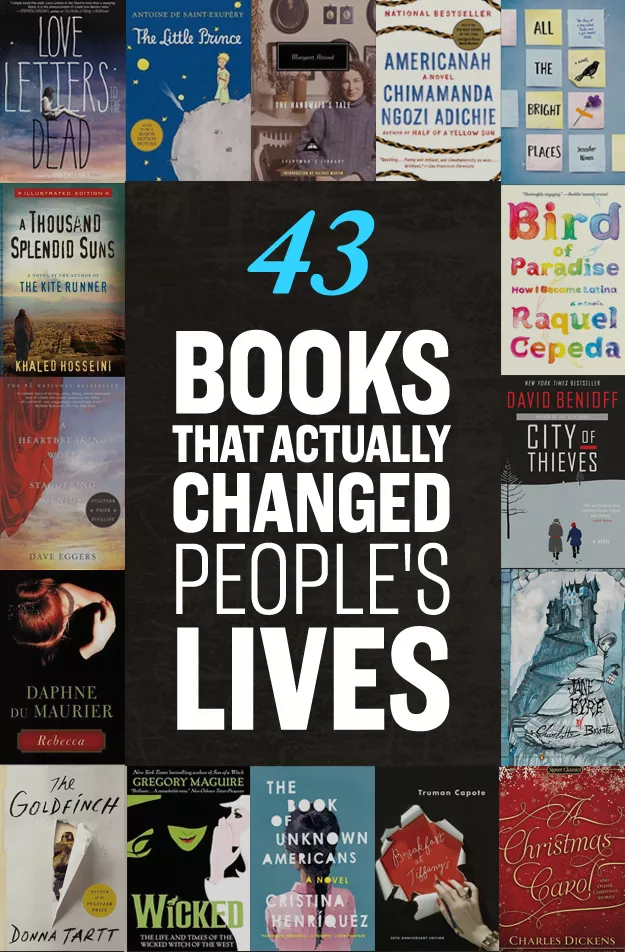
How to Build a Reading Habit That Sticks
Many people start the year with the intention to read more, but few successfully integrate reading into their daily identity. To make your reading habit permanent in 2026, follow this systematic approach.
Prerequisites for Success
- A "To-Read" Queue: Keep a physical or digital list of the 10-15 books you intend to finish.
- Dedicated Time: Allocate at least 20 minutes of uninterrupted reading time, ideally at the same time every day.
- The Right Environment: Create a space free from phone notifications and digital distractions.
Step-by-Step Implementation Guide
- Start Small: Commit to reading just five pages a day. It is better to have a consistent five-page streak than a sporadic 50-page binge.
- Use the "Book-in-Hand" Rule: Keep your current book on your nightstand or in your bag so it is always the first thing you see when you have a moment of downtime.
- Active Engagement: Use a highlighter or a journal to note key concepts. If you aren't interacting with the text, you are likely to forget the core message within a month.
- Reflective Synthesis: Once you finish a book, write a one-paragraph summary of how it changed your perspective. This forces your brain to solidify the information.
Verifying Your Progress
- Check your retention: Can you explain the book's core argument to a friend in under two minutes? If yes, you have successfully internalized the material.
- Monitor behavioral changes: Keep a log of decisions you’ve made that were influenced by the books you’ve read. If your actions are shifting in line with your reading, the process is working.
Essential Genres for the Modern Reader
In 2026, a well-rounded library should span across several key genres to ensure your cognitive development is comprehensive:
1. Psychology and Philosophy
These books provide the mental models necessary to navigate human relationships and personal internal struggles. Works like Frankl’s serve as the cornerstone here, but modern explorations of cognitive biases and behavioral economics are equally vital for the 2026 reader.
2. Strategy and Leadership
Whether you are leading a team or simply leading your own life, understanding the principles of effective action is critical. Look for books that emphasize courage, intentionality, and clarity of thought.
3. Timeless Classics
There is a reason certain books have remained in print for decades or centuries. They speak to the universal human condition. By reading classics, you are participating in a global conversation that transcends the limitations of current trends.
The Essential Curated List: 15 Books for 2026
Beyond the philosophical foundations, we must move toward actionable frameworks. The following selections are curated based on the proven influence of their methodologies, as cited by global experts and reader communities (Source 1). Each entry provides a specific mental model designed to optimize your decision-making processes.
4. Atomic Habits by James Clear
This is the definitive guide to behavioral architecture. Clear argues that massive success is not the result of singular, monumental changes, but the byproduct of tiny, consistent improvements—what he terms "atomic habits."
How to Implement the 1% Rule
- Identify the Habit Loop: Every habit consists of a cue, a craving, a response, and a reward. Map these out for your current behaviors.
- Make it Obvious: Redesign your environment to place the cues for good habits in your direct line of sight.
- Make it Satisfying: Use immediate rewards to reinforce the behavior, as the brain prioritizes short-term gratification (Source 2).
- Verification: You have succeeded when you no longer rely on willpower to perform the habit; it becomes a frictionless part of your daily routine.
Caution: Do not attempt to overhaul your entire life at once. The "aggregation of marginal gains" only works if you focus on one small system at a time.
5. The Alchemist by Paulo Coelho
While often categorized as fiction, this narrative serves as a profound strategic allegory for personal development. It teaches the importance of recognizing the "Personal Legend"—your unique path in life—and the necessity of overcoming the fear of failure.
Steps to Discovering Your Personal Legend
- Pay Attention to Omens: Train yourself to notice the recurring themes and opportunities in your daily life.
- Embrace the Journey: Understand that the obstacles you face are not roadblocks but essential training for your ultimate goal (Source 2).
- Listen to Your Heart: Learn to distinguish between external societal expectations and your internal calling.
- Verification: You will know this step is successful when you stop seeking external validation for your career or life path and instead feel a sense of alignment with your core values.
6. Deep Work by Cal Newport
In an era of constant digital distraction, Deep Work is your competitive advantage. Newport defines this as the ability to focus without distraction on a cognitively demanding task.
Building Your Deep Work Protocol
- Schedule Deep Blocks: Block out 90-minute segments of time where no email, phone, or social media is allowed.
- Embrace Boredom: Stop reaching for your phone during every lull in activity. Your brain needs to be comfortable with solitude to develop focus.
- Shutdown Ritual: Create a clear end-of-day routine to signal to your brain that work is over, allowing for true recovery.
- Verification: You are successful when you can produce a higher volume of quality work in three hours than you previously could in an eight-hour, distracted day.
Warning: Attempting to multitask is the primary killer of cognitive performance. Do not equate "being busy" with "being productive."
7. Thinking, Fast and Slow by Daniel Kahneman
To improve your life, you must first understand the flaws in your own thinking. Kahneman, a Nobel laureate, explains the two systems that drive the way we think: System 1 (fast, intuitive) and System 2 (slow, deliberative).
Strategies for Better Decision-Making
- Recognize System 1 Bias: When you have an immediate "gut feeling," pause. This is often a heuristic, not a calculated truth.
- Engage System 2: For high-stakes decisions, force yourself to write down the pros, cons, and potential long-term consequences.
- Seek Outside Perspectives: Use others to challenge your confirmation bias, as our own minds are wired to seek information that supports our existing beliefs.
- Verification: You have mastered this when you can identify your own cognitive biases in real-time, preventing a reactive, emotional decision.
Integrating Literature into Professional Growth
Your professional trajectory in 2026 depends on your ability to synthesize information. Experts like Reid Hoffman emphasize that the most successful individuals are those who treat their minds as dynamic assets that require constant upgrading (Source 1).
Tools for Advanced Synthesis
- The Zettelkasten Method: A note-taking system that forces you to link ideas together, creating a web of knowledge rather than isolated facts.
- The Feynman Technique: Try to explain a complex concept from a book to a child. If you cannot simplify it, you do not understand it well enough.
- Digital Annotation: Use tools like Readwise to sync your highlights to a searchable database, ensuring your reading isn't lost to the "forgetting curve."
The "Expert-Level" Reading Workflow
- Pre-Read: Skim the table of contents, introduction, and conclusion to understand the author's argument before reading the chapters.
- Active Questioning: Ask yourself, "How does this contradict what I currently believe?" as you read.
- Synthesis: After finishing a chapter, write a "synthesis note" that connects the new information to a previous book you have read.
- Verification: You know this system is successful when you begin to see patterns and cross-disciplinary connections in real-world problems that others miss.
Overcoming the "Knowledge-Action Gap"
A common pitfall for avid readers is the collection of ideas without the application of those ideas. This is the Knowledge-Action Gap. To ensure your life-changing books actually change your life, you must transition from "collector" to "practitioner."
Prerequisites for Application
- A "Bias for Action" Mindset: Commit to taking one action for every ten pages you read.
- Accountability Partner: Discuss your reading with a peer who is also focused on personal growth.
- Feedback Loops: Set up a system to track the results of the changes you implement.
The 3-Step Execution Framework
- Isolate One Principle: Do not try to apply every lesson in a book. Choose the one concept that, if applied, would have the greatest impact on your current situation.
- Design a "Micro-Experiment": Set a seven-day window to test this principle. For example, if you are reading about Stoicism, commit to the "view from above" exercise every morning for one week.
- Evaluate and Iterate: At the end of the week, record the results. Did it improve your temperament? Did it help you manage stress? If yes, formalize it into a permanent habit.
- Verification: Success is verified when you can point to a specific, measurable change in your life—such as decreased stress levels or increased project output—that resulted directly from the experiment.
Caution: Do not let the "collector's fallacy"—the belief that buying or reading a book is the same as learning its lessons—deceive you. Knowledge is only potential power; application is kinetic power.
Curating Your Intellectual Environment
In 2026, your environment is as important as your discipline. The books you keep on your shelf and the content you consume set the baseline for your cognitive potential.
Designing Your Physical Space
- The "Incubation" Corner: A dedicated, comfortable chair with no nearby technology. This signals to your brain that this is a space for deep thought.
- Curated Visibility: Keep the books you are currently studying at eye level. If a book is hidden in a drawer, it is effectively removed from your cognitive landscape.
- The "Library" Mindset: Treat your personal collection as a reference library. You should be able to pull a book off the shelf and find a specific solution to a problem within minutes.
Curating Your Digital Environment
- Read-it-Later Apps: Use tools like Pocket or Instapaper to strip away the "noise" of the internet, allowing you to focus on long-form, high-quality content.
- Newsletter Curation: Subscribe to newsletters from experts in your field, but ruthlessly unsubscribe from anything that does not provide actionable, high-signal information.
- Audio Integration: Utilize audiobooks for transit or exercise, but ensure you follow up with physical highlights or notes to ensure the information sticks.
The Role of Classics in Modern Decision-Making
While self-help books provide the "how-to," classics provide the "why." They offer a long-term perspective that prevents you from becoming reactive to the short-term cycles of modern life.
Why Classics Remain Relevant
- The Lindy Effect: The longer a book has been in print, the longer it is likely to remain relevant. A book that has been read for 200 years is likely to be read for another 200.
- Universality: Classics deal with the fundamental human emotions—greed, love, fear, and ambition. These do not change, even if the technology around us does.
- Intellectual Depth: Classics are rarely "easy" reads. They require focus, which acts as a strength-training exercise for your brain.
How to Approach Difficult Classics
- Read with a Companion: Use a "Reader’s Guide" or a scholarly introduction to provide context before you dive into the text.
- Don't Fear the Dictionary: If you don't know a word, look it up immediately. Vocabulary is the toolset of thought.
- Read in Cycles: Return to a classic every few years. You will find that the book has not changed, but you have, and you will extract new layers of meaning.
- Verification: You are succeeding when you find yourself applying ancient wisdom—such as Seneca’s views on time or Marcus Aurelius’s views on control—to your modern-day office conflicts.
Expanding Your Horizons: Beyond the Bestsellers
While the lists provided by sources like BuzzFeed and Marie Claire are excellent starting points, you should eventually develop a personalized curriculum that targets your specific weaknesses (Source 3, Source 4).
Identifying Your "Knowledge Gaps"
- The Skill Audit: What is the one skill that, if mastered, would double your professional or personal effectiveness?
- The Weakness Audit: What is the one area of your life where you feel most out of control? Find a book that addresses the psychological or practical root of that issue.
- The Curiosity Audit: What topics do you find yourself researching for fun? Use books to deepen this knowledge into actual expertise.
Constructing Your 2026 Reading Syllabus
- The 4-Category Split: Aim for your reading list to be 25% professional development, 25% psychology/philosophy, 25% history/biography, and 25% "wildcard" (fiction or niche interests).
- The "Bridge" Strategy: For every technical book you read, pair it with a biography of someone who mastered that field. This provides both the "theory" and the "human story."
- The Seasonal Approach: Plan your reading based on your life's goals for the quarter. If you are starting a business in Q1, focus on strategy; if you are focusing on health in Q2, shift to physiology and habits.
- Verification: You will know this strategy is working when you feel like you are building a cohesive, multi-dimensional worldview rather than just consuming disjointed facts.
The Psychology of Sustained Learning
The most successful people in the world view their education as a life-long project. They do not "finish" reading; they are in a constant state of evolution.
Maintaining Momentum
- The "Reading Streak" Tracker: Use a simple calendar to mark every day you read. Visual progress is a powerful motivator for the human brain.
- Social Learning: Join or start a "Mastermind" book club where the focus is not just on the book, but on how the book’s principles are being applied to the members' actual businesses or lives.
- The "Book-to-Income" Ratio: Periodically assess how your reading has contributed to your life’s goals. If you have read 50 books on health but haven't changed your diet, your "return on reading" is zero.
Handling "Reader's Block"
- The 50-Page Rule: If a book is not providing value by page 50, stop. Life is too short to finish books that don't serve your growth.
- The "Reset" Choice: Keep a "palette cleanser" book nearby—something light or highly engaging—to get you back into the flow when you feel burnt out.
- Change Your Format: If you are struggling with dense, physical books, switch to a biography or an audiobook for a week to regain your momentum.
- Verification: You have mastered the psychology of learning when you no longer feel "guilty" for not finishing a bad book and instead feel "empowered" to seek out the one that will provide the next breakthrough.
Advanced Strategies for Information Retention
Retention is the ultimate goal. If you cannot recall the lessons, you haven't truly read the book. Use these cognitive anchors to ensure the knowledge stays with you long after you turn the final page.
The Power of Spatial Memory
- The "Memory Palace" Technique: Associate key concepts from a book with specific locations in your house. As you walk through your home, "retrieve" the lessons.
- Visual Mapping: Draw a mind map of the book’s core arguments. Seeing the connections visually helps the brain store the information in long-term memory.
- The Teaching Method: Nothing cements a concept like teaching it to someone else. Host a weekly "Learning Lunch" where you share one key takeaway from your current reading.
Creating an "Idea Index"
- The Digital Vault: Use a tool like Notion or Obsidian to create an index of all the books you have read, tagged by theme (e.g., #productivity, #leadership, #stoicism).
- The "Reflective" Journal: Dedicate a notebook to "Book Wisdom." Write down the most impactful quote from each book and a one-sentence instruction on how you will apply it.
- Regular Review: Set a recurring calendar reminder to review your "Book Wisdom" journal every quarter. You will be surprised by how much you have forgotten—and how much more relevant those lessons have become.
- Verification: You are successful when you can pull a specific, actionable idea from a book you read years ago to solve a problem you are facing today.
Building Your Personal "Curriculum Vitae"
Your reading list is essentially your intellectual resume. It tells the story of how you have grown, what you value, and where you are heading.
The "Legacy" Collection
- The 10-Book Core: Identify the 10 books that have had the most profound impact on your life. These are the books you should re-read every few years.
- The "Giftable" Library: Always keep extra copies of your favorite life-changing books. Giving a book to someone else is the best way to solidify your own understanding of it.
- The "Future-Proofing" List: Keep a list of books that deal with emerging technologies or societal shifts. This keeps you ahead of the curve in an unpredictable world.
The Evolution of Your Taste
- Analyze Your Trends: Every year, look back at your reading list. Are you reading the same types of books? If so, push yourself to explore a genre you know nothing about.
- The "Diversity of Thought" Audit: Ensure you are reading authors from different backgrounds, time periods, and political perspectives. This is the only way to avoid an echo chamber in your own mind.
- The "Hard" Challenge: Once a year, read a book that you know will be difficult or that challenges your deepest beliefs. This is where the most significant personal growth occurs.
- Verification: You know you have reached an expert level of reading when your library is a true reflection of your values, your ambitions, and your willingness to constantly evolve.
Navigating the Noise: How to Choose What to Read Next
With millions of books published every year, the curation process is as important as the reading itself. Do not fall for the "bestseller trap"—just because a book is popular does not mean it is valuable.
Filtering for Signal
- The "Second-Hand" Filter: Ask people who are where you want to be, "What is the one book that helped you get there?" Their answers are worth more than any algorithm-driven bestseller list.
- The "Review" Filter: Look at the one-star and two-star reviews on Amazon or Goodreads. They often reveal the "blind spots" of a book that five-star reviews ignore.
- The "Source" Filter: Only trust recommendations from sources that have a proven track record of curation, such as the lists provided by Source 1 and Source 2.
The Selection Process
- Define Your Current "Season": Are you in a season of building (business/skills), healing (psychology/spirit), or exploring (history/art)?
- The "Three-Book" Rule: For any new topic, read three different books from three different perspectives. This prevents you from being swayed by a single author's bias.
- The "Back-Catalog" Check: Before reading a new release, check if there is a classic on the same topic that has stood the test of time. Often, the older book contains the original, more potent version of the idea.
- Verification: You are successful when your reading list is intentional, balanced, and perfectly aligned with the growth goals you have set for the year.
Transforming Your Identity Through Reading
Ultimately, the goal of reading these life-changing books is not just to acquire knowledge, but to change your identity. You want to become the type of person who makes better decisions, acts with more courage, and lives with more meaning.
The Identity Shift
- The "Reader" Label: By adopting the identity of a "reader," you make it easier to maintain the habit. It becomes part of who you are, not just something you do.
- The "Lifelong Learner" Label: This identity shift allows you to approach failures as lessons and successes as foundations for further growth.
- The "Action-Oriented" Label: By consistently applying what you read, you move from being a passive consumer to an active participant in your own life.
The Path Forward
- Commit to the Process: Understand that this is a long-term investment. The "compound interest" of your reading will not be visible in a month, but it will be transformative over a decade.
- Stay Curious: Never lose the sense of wonder that comes from discovering a new idea. This is the fuel that keeps you reading.
- Give Back: Use the knowledge you have gained to help others. Mentoring is the final step in the learning process.
- Verification: You have reached the pinnacle of this journey when you no longer look for books to "fix" your life, but to "expand" your horizons. You are no longer searching for meaning; you are creating it.
The Future of Reading in 2026 and Beyond
As we look toward the future, the intersection of technology and literature will continue to evolve. We will see more interactive books, AI-assisted summaries, and global, real-time book clubs. However, the fundamental act—one human mind engaging with another through the medium of the written word—will remain the most powerful tool for human advancement.
Staying Ahead of the Curve
- Embrace New Formats: Do not be afraid of digital tools that enhance your reading experience. Use AI to summarize complex chapters or to find connections between different books.
- Maintain the Human Element: No matter how advanced the technology gets, the emotional resonance of a book—the way it makes you feel and the empathy it builds—is a uniquely human experience that cannot be automated.
- Build Your Community: Connect with other readers who are on the same journey. The collective intelligence of a group of readers far exceeds that of any single individual.
- Verification: You are successful when you can look back at your 2026 reading list and see not just a list of titles, but a map of your own personal and professional transformation.
Establishing Your "Reading Legacy"
Your library is a record of your intellectual life. By curating it with care, you are not just building a collection of books; you are building a foundation for your future self.
The Long-Term Impact
- The "Generational" Library: If you have children or mentees, your library becomes a gift for them. The books that changed your life can change theirs, too.
- The "Intellectual Capital": The knowledge you store in your mind is the only asset that cannot be taken from you, taxed, or devalued. It is the ultimate hedge against an uncertain future.
- The "Ripple Effect": The wisdom you gain from these books will influence your decisions, which will influence your interactions, which will influence the people around you. You are creating a positive ripple effect that extends far beyond your own life.
Final Steps to Mastery
- Commit to the Habit: Set your goal for the rest of 2026. How many books will you read? How will you apply them?
- Document the Journey: Keep a journal of your thoughts, your highlights, and your realizations. This is your personal "book of change."
- Share the Wisdom: Don't keep these insights to yourself. The more you share, the more you learn.
- Verification: You are successful when you feel a sense of clarity, purpose, and capability that you did not have before. You have not just read these books; you have lived them.
The Essential Toolkit for the Modern Reader
To ensure you are fully equipped for your reading journey, consolidate your resources into a single "Reader’s Command Center."
Essential Components
- The "Input" Stream: A list of books you are excited to read, prioritized by your current life goals.
- The "Processing" Station: A notebook or app where you record your highlights, reflections, and action items.
- The "Output" Channel: A way to share your findings—whether it’s a blog, a conversation with a friend, or a change in your daily routine.
- The "Reflective" Archive: A place where you store your completed notes so you can revisit them when you need a reminder of what you have learned.
How to Maintain Your Command Center
- Weekly Review: Every Sunday, spend 10 minutes looking at your "Reader’s Command Center." What did you learn this week? What will you apply next week?
- Quarterly Cleanup: Remove books from your "To-Read" list that no longer align with your goals. It is okay to change your mind.
- Annual Audit: Once a year, look at your entire collection. What does it say about who you are? Who do you want to be in the next year?
- Verification: You have mastered this when your reading is no longer a "task" on your to-do list, but a natural, integrated part of your identity that drives your growth, your decisions, and your overall success in life.
Mastering the Art of Deep Reading
Deep reading is a skill—it must be practiced and refined. As you move forward, remember that the goal is not to finish as many books as possible, but to internalize the wisdom of the ones that truly matter.
The Three Pillars of Deep Reading
- Attention: The ability to stay focused on the text, resisting the urge to check notifications or drift into other thoughts.
- Interrogation: The ability to question the author’s premises, challenge their conclusions, and synthesize their ideas with your own.
- Integration: The ability to take the concepts and apply them to your life, turning them from abstract ideas into concrete changes.
Developing Your Deep Reading Muscle
- The "Focus" Workout: Start by reading for 20 minutes without any distractions. Increase this by five minutes every week until you can reach 60 minutes of uninterrupted, deep engagement.
- The "Question" Workout: Practice writing three questions about the text for every chapter you read. This forces your brain to stay active and engaged.
- The "Application" Workout: After every book, force yourself to identify at least one "behavioral change" you will make based on the content.
- Verification: You are succeeding when you find that you can read complex texts with ease and that you are constantly finding new ways to apply the wisdom to your daily life.
The Future of Your Intellectual Growth
The journey you are on is a lifelong one. There will be seasons of intense reading and seasons of intense action. The key is to maintain the balance.
Balancing Growth and Action
- The "Reading-to-Doing" Ratio: For every hour you spend reading, spend at least an hour applying what you have learned. This keeps your growth grounded in reality.
- The "Feedback" Loop: Use your real-world results to inform your future reading. If you are struggling with a specific project, find a book that directly addresses that problem.
- The "Long-Term" Vision: Remember that you are building your mind for the long haul. Don't worry about the speed of your progress; focus on the quality of your growth.
- Verification: You have reached the ultimate goal when your life is a testament to the books you have read—when your character, your decisions, and your achievements are all reflections of the wisdom you have sought out and successfully integrated into your being.
References
-
Shortform — 100 Best Life Changing Books of All Time – Shortform, 2026
-
Readtraverse — 10 Life-Changing Books Everyone Should Read in Their Lifetime, 2026
-
Buzzfeed — 21 Life-Changing Books Everyone Should Read Once – BuzzFeed, 2026
-
Marieclaire — 20 Life-Changing Books Everyone Should Read At Least Once, 2026
-
Booksofbrilliance — Life Changing Books Everyone Needs to Read at Least Once, 2026
-
Bookbub — 78 Books Everyone Should Read in Their Lifetime (2026), 2026
-
Storyboldstudio — 13 Life-Changing Books Everyone Should Read, 2026
-
Goodhousekeeping — 40 Most Life-Changing Books That You Need to Read 2024, 2026