Best Reading Apps And Tools For Book Lovers
In an era where digital convenience meets a deep-seated passion for literature, the way we consume books has been revolutionized. Research indicates that approximately 8 out of 10 Americans aged 16 and up read for fun at least occasionally. Whether you are a casual reader looking to unwind or a dedicated bibliophile aiming to track every page turned, the right digital ecosystem can transform your literary lifestyle.
The app marketplaces of 2026 are brimming with sophisticated tools designed to help you discover new titles, organize your personal library, and even master nonfiction concepts in minutes. This comprehensive guide explores the essential digital tools that every modern reader needs to stay organized, inspired, and engaged.
Prerequisites: Building Your Digital Reading Toolkit
Before diving into the vast world of book apps, ensure you have the following ready to maximize your experience:
- A Stable Internet Connection: Essential for syncing your progress across multiple devices and downloading audiobooks or ebooks on the go.
- A Dedicated Reading Device: While most apps are compatible with smartphones and tablets, consider a dedicated e-reader (like a Kindle) if you prioritize eye comfort during long reading sessions.
- A Library Card: Many premium apps, such as Libby, require a valid local library card to access free digital content.
- A Goal-Setting Mindset: Whether you want to read 50 books a year or simply summarize key business insights, knowing your "why" will help you choose the right app.
Step-by-Step: How to Master Your Reading Habits
If you are ready to turn reading into a consistent, daily habit, follow this structured approach to setting up your mobile library.
1. Identify Your Primary Reading Goal
Are you looking to read more fiction, learn faster through nonfiction summaries, or track your reading speed?
- For Habit Building: If your goal is consistency, start with Bookly. It uses a real-time timer to track your sessions and provides detailed statistics on your reading speed and progress.
- For Quick Learning: If you are a busy professional, Headway is the industry leader for absorbing key insights from nonfiction bestsellers in just 15 minutes through audio summaries and visual explainers.
2. Curate Your Digital Bookshelf
Avoid the clutter of unread books by using cataloging apps.
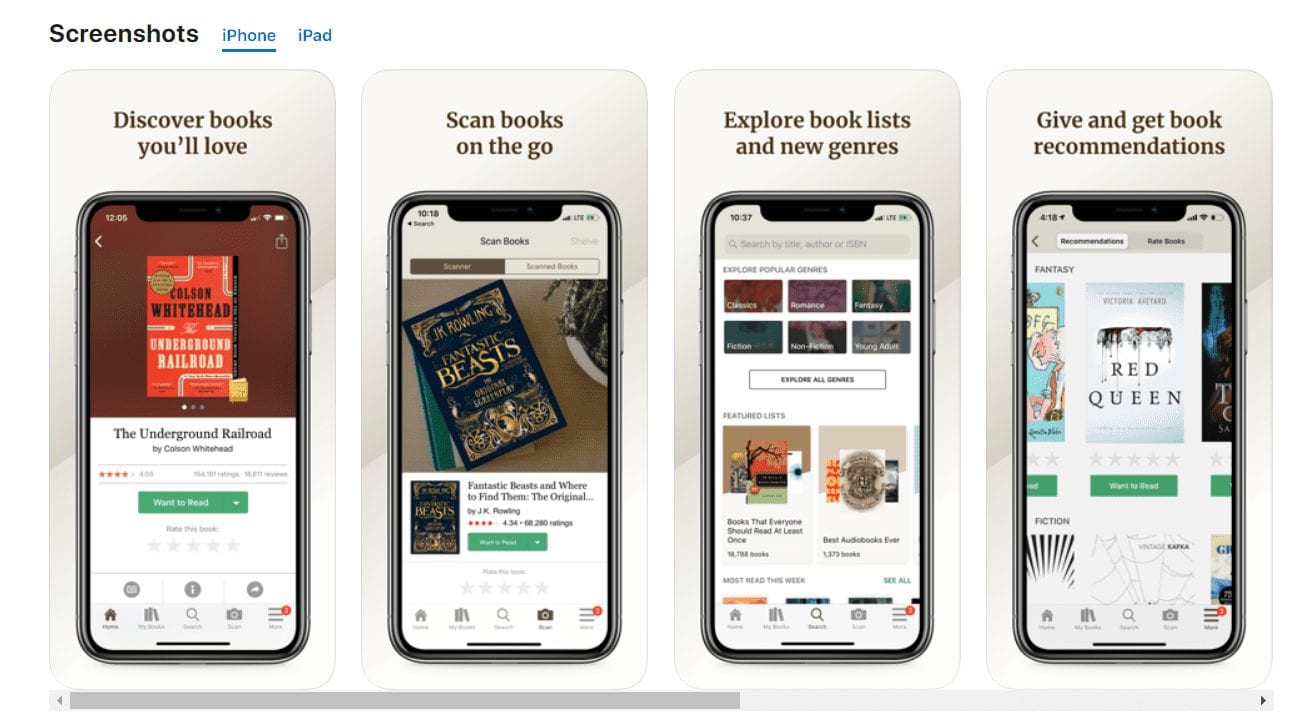
- Goodreads remains the gold standard for maintaining a "To-Be-Read" (TBR) list and connecting with the world’s largest reading community.
- Leio offers a more personal touch, allowing you to set reading deadlines and providing predictions on when you will finish a specific book based on your current pace.
3. Optimize Your Reading Environment
Customization is key to a comfortable reading experience.
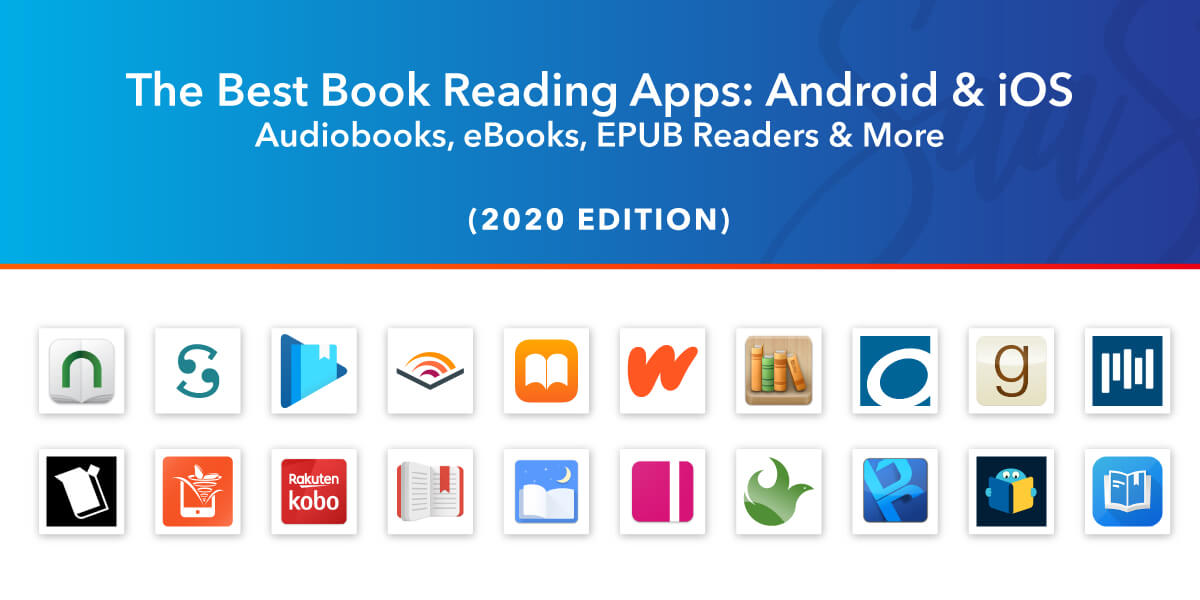
- Amazon Kindle: This app remains a top choice due to its Whispersync technology, which allows you to switch between reading an ebook and listening to an audiobook without losing your place.
- Library Integration: Download Libby to bridge the gap between your digital device and your local library. You can borrow ebooks and audiobooks for free, saving you significant costs over the year.
4. Verify Your Success
How do you know if your new digital setup is working?
- Check your stats: Use the dashboard features in apps like Bookly or Leio to see if your "minutes read" are increasing week-over-week.
- Consistency check: If you find yourself opening your reading app automatically during your commute or lunch break, you have successfully integrated reading into your daily routine.
Caution: Be wary of "app fatigue." Downloading too many trackers can become a chore. Start with one primary e-reader and one tracking or summary app to avoid getting overwhelmed by data entry.
The Power of Community and Discovery
Reading is often a solitary act, but the best apps for 2026 emphasize the social aspect of literature. Platforms like Litsy provide a "cozy corner" for bibliophiles to share bookish snapshots, delve into memorable quotes, and engage in meaningful dialogues about their latest reads.
Why Social Reading Matters
- Discovering Hidden Gems: Personalized recommendations driven by user reviews are often more accurate than generic algorithmic suggestions.
- Accountability: Joining a digital book club or sharing your progress with friends can keep you motivated to finish that challenging novel you started months ago.
- Engagement: Reviewing books helps solidify what you’ve learned or felt, turning a fleeting reading experience into a lasting memory.
Selecting the Right Platform for Your Lifestyle
When choosing between the dozens of available options, consider the format you prefer. If you are a fan of audio, Audible provides an unmatched library of exclusive originals and podcasts. For those who prefer the tactile feel of a screen that mimics paper, the Kindle Paperwhite ecosystem offers glare-free displays that significantly reduce eye strain during extended reading sessions.
Advanced Strategies for Managing Your Digital Library
Once you have established your reading habits and joined a community, the next challenge is managing your growing digital collection. A disorganized library can lead to "reader’s block," where you spend more time scrolling through titles than actually reading.
1. Cataloging Your Physical and Digital Assets
If you hold a collection of physical books alongside your digital files, you need a unified system to prevent duplicate purchases and track your inventory effectively.
- BookScouter: This is an essential tool for those who frequently buy and sell books. It allows you to scan ISBNs to compare prices across dozens of vendors, ensuring you get the best value for your collection Source 3.
- LibraryThing: For the serious collector, this tool offers a robust cataloging system that can handle thousands of entries, allowing you to categorize your library by genre, author, or even the date you acquired the book.
2. Streamlining Your "To-Be-Read" (TBR) Pile
A common pitfall is the "infinite TBR" list, which can lead to decision fatigue. Use these steps to curate a manageable reading queue.
- Consolidate: Pick one app as your "Source of Truth" for your TBR list. Whether it is Goodreads or a simple note-taking app, ensure all recommendations go to one place.
- Audit Monthly: Every 30 days, review your list and remove any books that no longer spark interest.
- Prioritize: Use the tagging feature in apps like Goodreads to label books as "High Priority" or "Weekend Reads" to make choosing your next book instantaneous.
Caution: Do not fall into the trap of "book hoarding." Digital books are easy to acquire, but they still require time to read. Be selective about what you add to your library to keep your reading goals realistic.
Utilizing Technology for Deep Learning and Retention
For nonfiction readers, the goal is often retention rather than just completion. If you are reading to learn a new skill or gain professional insights, standard reading apps might not be enough.
1. Integrating Book Summary Services
When time is limited, book summary services bridge the gap between busy schedules and the desire for self-growth.
- Key Insight Extraction: Apps like Headway provide visual explainers and bite-sized audio summaries that distill complex nonfiction books into actionable takeaways Source 1.
- Active Recall Techniques: After listening to a summary, use a secondary tool like Notion or Obsidian to jot down three key points you want to apply to your life or business.
2. Verifying Your Retention
To ensure you are actually absorbing the content, use these verification methods:
- The "Teach-Back" Method: After finishing a summary or a chapter, explain the core concept to a friend or colleague. If you cannot explain it simply, you haven't mastered the material.
- Progress Tracking: Use the charts provided in apps like Leio to monitor how your reading frequency correlates with your ability to recall information from previous weeks Source 3.
Specialized Tools for Niche Readers
Not every reader is the same; students, researchers, and comic book enthusiasts require specialized features that standard e-readers may lack.
1. Apps for Academic and Research Reading
If you are reading for research, you need tools that support annotation, citation management, and deep searching.
- Zotero: While primarily a desktop tool, its mobile integration allows you to save web articles and PDFs, organize them into folders, and automatically generate citations for your work.
- LiquidText: This app is a game-changer for active readers. It allows you to pull quotes from multiple documents onto a single "workspace" canvas, making it ideal for synthesizing information from multiple books.
2. Digital Platforms for Comics and Graphic Novels
Visual storytelling requires a different interface than text-heavy books.
- ComiXology: Owned by Amazon, this platform offers "Guided View" technology, which pans across panels to provide a cinematic reading experience on mobile devices.
- Marvel Unlimited / DC Universe Infinite: These subscription services offer deep libraries for fans of specific publishers, often featuring exclusive digital-first releases.
The Role of Book Scanner Apps in Modern Collections
For those who love the hunt for rare finds at thrift stores or used bookstores, book scanner apps are indispensable companions.
1. Identifying Value on the Fly
When you find a potential treasure, you need to know its market value before committing to a purchase.
- ISBN Scanning: Use the built-in scanner in apps like BookScouter to instantly see what a book is selling for on major marketplaces Source 3.
- Condition Assessment: Some apps now include AI-driven condition assessments, helping you estimate the resale value based on photos of the spine and cover.
2. Troubleshooting Scanner Errors
If your scanner isn't picking up the ISBN, follow these steps:
- Optimize Lighting: Ensure you are in a well-lit area to prevent glare on the barcode.
- Steady Your Hand: Most scanner apps require a stable image to decode the barcode; use the "grid" overlay if your app provides one.
- Manual Entry: If the barcode is damaged, look for the 13-digit ISBN on the copyright page and enter it manually.
Caution: Always double-check current market volatility. A book that was valuable last year might have had a reprint that significantly dropped its resale price.
Designing Your Perfect Reading Routine
Creating a sustainable habit requires more than just the right apps; it requires an environment that minimizes friction.
1. Time-Blocking for Reading
Treat your reading time with the same respect as a professional meeting.
- Morning Rituals: If you are a morning person, use the first 15 minutes of your day to read a nonfiction book via Headway to set a growth-oriented tone for the day Source 1.
- Commute Optimization: Convert dead time into productive time by switching your ebook to an audiobook via Audible or Kindle’s Whispersync during your daily transit Source 1.
2. Environmental Adjustments
Your physical environment impacts your focus.
- Blue Light Management: If you read before bed, ensure your tablet or phone is set to "Night Mode" or "Warm Light" to protect your circadian rhythm.
- Notification Silencing: Use the "Focus" mode on your smartphone to block social media and email notifications while you are inside your reading app.
3. Verification of Habit Stability
- Weekly Review: At the end of each week, check your reading app’s dashboard. Are you hitting your target number of minutes?
- Adjustment: If you consistently miss your goals, shrink the goal. It is better to read 5 minutes a day consistently than 60 minutes once a week.
Leveraging E-reader Ecosystems for Comfort
For dedicated readers, the hardware ecosystem is just as important as the software. The transition from physical books to e-readers is often motivated by the desire for portability and comfort.
1. The Kindle Ecosystem
Amazon’s Kindle app and hardware are widely considered the gold standard for a reason: the ecosystem is incredibly robust Source 1.
- Syncing Across Devices: With Whispersync, you can start reading on your phone while waiting in line at the grocery store and pick up exactly where you left off on your Kindle Paperwhite at home.
- Sample Before You Buy: Take advantage of the "Send a Sample" feature to read the first chapter of a book before committing to the full purchase.
2. The Libby Advantage
For readers who want to minimize their book budget, Libby is the most essential app available Source 1.
- Public Library Integration: By simply entering your library card number, you gain access to thousands of titles without spending a cent.
- Hold Management: Use the "Notify Me" feature to get alerts when popular titles become available, ensuring you never miss out on a bestseller.
Integrating Social Features to Boost Motivation
Social interaction can be the difference between a stalled reading habit and a lifelong passion. The psychological benefit of sharing your thoughts is well-documented in behavioral science.
1. Engaging with Book Communities
Apps like Litsy and Goodreads provide a platform to document your journey Source 3.
- Documenting Milestones: Posting a photo of your current read or a quote you loved helps turn the reading process into a social event.
- Dialogue Participation: Don't just read reviews; comment on them. Engaging in discussions helps you see books from perspectives you might have otherwise missed.
2. Hosting or Joining Digital Readathons
Readathons are intense, short-term reading challenges that can jumpstart your habit.
- Bookly Readathons: Keep an eye on the Bookly app for scheduled community events that encourage you to read more during a specific weekend or week Source 3.
- Setting Personal Challenges: Use your reading app to set a "Yearly Reading Challenge" goal—such as 24 or 52 books—to provide a clear target to aim for.
Customizing Your Reading Experience for Accessibility
Accessibility is a critical component of modern reading apps. Whether you have visual impairments or simply prefer a specific font size, these tools are designed to be inclusive.
1. Font and Layout Customization
Modern e-reading apps like Kindle and Apple Books allow for granular control over the reading interface.
- Typography: Switch to "OpenDyslexic" fonts or increase the line spacing to make text easier to parse for readers with dyslexia or visual fatigue.
- Background Themes: Use "Sepia" or "Dark Mode" to reduce eye strain, especially when reading in low-light environments.
2. Text-to-Speech (TTS) Integration
Even if a book doesn't have an official audiobook version, many apps now include high-quality TTS engines.
- Accessibility Features: Check your device’s system settings to enable "Speak Screen." This allows you to listen to almost any ebook, providing a pseudo-audiobook experience for titles that don't have a professional recording.
Security and Data Privacy in Book Apps
As you store more of your personal data—your reading history, your notes, and your library lists—in these apps, it is important to consider your digital footprint.
1. Managing App Permissions
When you install a new reading app, be mindful of the permissions you grant.
- Location Services: Rarely necessary for a reading app; disable this to preserve privacy.
- Contact Access: Only grant this if you specifically want to find friends on a platform like Goodreads.
2. Backing Up Your Data
Don't let your hard work in tracking your reading disappear if you switch devices.
- Cloud Syncing: Ensure your app has "Cloud Sync" enabled. This backs up your highlights, notes, and progress to the app’s server.
- Exporting Data: Some apps, like Bookly or LibraryThing, allow you to export your data into a CSV or spreadsheet format. Do this once or twice a year to maintain a personal archive of your reading history outside of the app ecosystem.
Future-Proofing Your Reading Habits
The world of reading technology is evolving rapidly. By staying adaptable, you ensure that your reading life remains rewarding as new tools emerge.
1. Exploring AI-Driven Recommendations
We are entering an age of hyper-personalized book discovery. Keep an eye on apps that integrate AI to suggest books based on the themes and writing styles of the books you’ve enjoyed, rather than just the genre.
2. The Convergence of Audio and Text
The line between reading and listening is blurring. Look for apps that allow you to seamlessly toggle between reading a physical page and listening to a narrator, a trend that is becoming the standard for major publishers Source 1.
3. Developing a "Hybrid" Reading Lifestyle
The most successful readers of 2026 are those who use a hybrid approach:
- Deep Reads: Reserved for physical books or dedicated e-readers where concentration is at its peak.
- Quick Learning: Reserved for summary apps and audiobooks during transit or multitasking.
- Social Connection: Reserved for tracking and discussion apps to keep the passion for literature alive.
By combining these strategies, you are not just reading; you are curating a lifetime of intellectual growth and entertainment, supported by the most sophisticated digital tools ever created for bibliophiles.
Mastering the Art of Digital Annotation
For many readers, the act of reading is incomplete without engaging with the text. Whether you are a student, a professional researcher, or a casual reader who loves to mark down life-changing quotes, digital annotation has evolved far beyond simple highlighting.
1. Advanced Highlighting Techniques
Modern e-reading platforms have moved toward cloud-synced annotations that follow you across devices.
- Color-Coded Systems: Utilize the multi-color highlight features in Amazon Kindle to create your own taxonomy. For instance, use yellow for key concepts, blue for vocabulary, and orange for actionable insights.
- Note-Taking Integration: Use apps that allow you to export your highlights. Tools like Readwise can automatically sync your Kindle highlights to apps like Notion or Obsidian, ensuring your insights are never lost in a digital silo Source 1.
2. Digital Margin Notes
If you miss the feeling of writing in the margins of a physical book, digital interfaces now replicate this experience with high precision.
- Stylus Compatibility: For users with tablets, apps like Apple Books or specialized PDF readers allow for handwritten annotations. This creates a tactile connection to the text that can improve memory retention.
- Searchable Annotations: The greatest benefit of digital margins is searchability. You can instantly find every note you’ve ever written about "leadership" or "character development" across your entire library, a feat impossible with physical paper.
Warning: Do not over-annotate. If you find yourself highlighting entire paragraphs, you are likely failing to engage in active synthesis. Aim to annotate only the "crucial 10%"—the ideas that truly shift your perspective.
Managing Your Reading Energy Levels
Reading is a cognitive task that requires mental bandwidth. Understanding your own "reading rhythm" is essential for sustaining a long-term literary habit.
1. Matching Content to Your State of Mind
Not all books require the same level of focus. A successful reader matches the book to their current energy level.
- High-Energy Sessions: Save complex, dense, or challenging nonfiction for times when your brain is sharpest, typically early in the morning or immediately after a break.
- Low-Energy Sessions: Keep light fiction, graphic novels, or audiobooks for times when you are tired or commuting. Apps like Libby are perfect for these moments, as they make it easy to switch to a lower-intensity format Source 1.
2. The "Five-Minute Rule" for Consistency
If you struggle to start reading, use the "five-minute rule" to trick your brain into beginning a session.
- Set the Timer: Open Bookly and set a timer for just five minutes Source 3.
- Commit to the Minimum: Tell yourself you only need to read until the timer goes off. Often, once you break the initial barrier of starting, you will find yourself wanting to continue long after the five minutes have passed.
- Verification: Check your daily streak in your tracking app. If you hit your five-minute goal every day for a week, you have successfully built a foundational habit.
Integrating Audiobooks into Your Workflow
Audiobooks have transformed from a niche format into a primary medium for many of the world's most avid readers. They offer a unique way to consume literature while engaging in physical tasks.
1. Strategic Multitasking
Audiobooks allow you to "read" while performing tasks that don't require high-level language processing.
- Chore-Reading: Listening to a biography or a light novel while doing laundry or washing dishes can turn mundane chores into anticipated moments of intellectual growth.
- Exercise Integration: Many readers find that the rhythm of a brisk walk or a treadmill session is perfectly complemented by the narrative flow of an audiobook. Audible is particularly effective here, as it offers a seamless interface for playback during physical activity Source 1.
2. Enhancing Retention through Audio
For some, listening to a book engages different parts of the brain than reading text, leading to better emotional connection with characters.
- Speed Control: Use the playback speed settings (1.25x or 1.5x) to match your cognitive processing speed. This can help you stay focused and prevent your mind from wandering.
- Bookmark Feature: Use the "Bookmark" or "Clip" feature to save specific moments in an audiobook. You can later revisit these clips to write down key quotes or insights.
Caution: Avoid listening to dense academic texts or complex technical manuals while performing tasks that require high focus, such as driving in heavy traffic or writing emails. Your brain will likely favor the task over the book, leading to poor retention.
Building a Personalized Digital Library System
A library is more than a list of books; it is a reflection of your intellectual journey. Organizing your digital library effectively ensures that you can always find the right book at the right time.
1. The Power of Tags and Collections
Most reading apps allow you to create custom shelves or tags. Move beyond basic "Read" vs. "To-Read" categories.
- Categorization by Use-Case: Create tags such as "Professional Development," "Weekend Escapism," "Reference," and "Need to Re-read."
- Theme-Based Shelves: Group books by theme rather than genre. For example, a shelf titled "Psychology of Success" might include both a business book and a memoir, providing a more holistic view of the topic.
2. Periodic Library Audits
Your interests will evolve, and your digital library should reflect that.
- The "Spark Joy" Audit: Once every quarter, look through your digital bookshelf. If a book no longer interests you or no longer aligns with your goals, remove it from your active list.
- Refining Recommendations: By cleaning up your library, you provide better data to the algorithms that drive your recommendation engines. If you keep a book you hated on your "Read" list, the app will continue to suggest similar titles.
Advanced Search and Discovery Tactics
Discovering your next favorite book is a skill that can be refined using the right digital tools.
1. Beyond the Bestseller List
Generic bestseller lists are helpful, but they rarely lead to the hidden gems that define a reader's taste.
- Community-Led Discovery: Use the "Lists" feature in Goodreads to find user-created collections such as "Best Hard Sci-Fi" or "Books That Changed My Life" Source 1.
- Influencer Tracking: Many bibliophiles now use platforms like Litsy to follow readers whose tastes align with their own. When they review a book you love, check their "Read" list for your next potential favorite Source 3.
2. Using AI and Metadata
Newer tools are leveraging metadata to offer more precise discovery.
- Keyword Searches: If you enjoyed a specific aspect of a book—like "unreliable narrator" or "cyberpunk aesthetics"—use these specific keywords in your search functions rather than broad genre labels.
- Author-Based Explorations: If you find an author you adore, don't just look for their other books. Use the "Similar Authors" or "Readers Also Enjoyed" functions in your e-reader apps to branch out into new, yet stylistically familiar, territory.
The Intersection of Reading and Writing
For the most dedicated book lovers, reading eventually leads to the desire to write. Whether you are keeping a private journal or publishing your own work, the digital tools you use for reading can also support your creative process.
1. Capturing Inspiration
When you read, you are consuming the raw materials for your own future ideas.
- The "Idea Capture" Habit: When you encounter a beautifully written sentence or a compelling argument, don't just highlight it. Use a note-taking app to record why it resonated with you.
- Cross-Pollination: Link your reading notes to your creative writing projects. If you are writing a story about space travel, link your notes from a physics book to your draft, creating a rich tapestry of research and imagination.
2. Tools for Aspiring Authors
Several apps cater specifically to the intersection of reading and writing.
- Story-Writing Apps: Platforms like Wattpad or specialized writing tools often have built-in reading interfaces that allow you to analyze the pacing and structure of popular stories while you write your own Source 3.
- Comparative Analysis: Use your reading apps to study the "beats" of a novel. By tracking the page numbers where major plot points occur, you can learn the structural blueprints of successful storytelling.
Maintaining Digital Hygiene for Readers
As you integrate more apps into your life, you must ensure that your digital environment remains a source of peace rather than a source of clutter.
1. Minimizing Notification Distractions
Reading apps should be a sanctuary.
- Disable Non-Essential Alerts: Turn off push notifications for community updates, friend requests, or promotional book deals. Keep only the alerts that directly serve your reading goals, such as daily reading reminders or library loan due dates.
- The "Do Not Disturb" Protocol: If your device allows, create a "Reading Mode" profile that automatically silences email, social media, and news alerts the moment you open your preferred reading app.
2. Managing Subscription Costs
With the rise of subscription-based services for books, it is easy to let costs spiral.
- The Audit Cycle: Every six months, review which services you are actually using. If you have an Audible subscription but haven't listened to a book in two months, pause it.
- Leverage Free Resources: Always check if a book is available via Libby or Open Library before purchasing it. The savings can be significant over the course of a year, allowing you to invest in a few high-quality, permanent additions to your library instead of many transient ones Source 1.
Cultivating a Long-Term Literary Legacy
Your collection of books—whether digital or physical—is a legacy. The ways in which you curate, annotate, and engage with your library today will shape the intellectual depth of your future self.
1. Preserving Your Intellectual History
Your highlights and notes are a map of who you were at the time you read a book.
- Reviewing Your Past Self: Once a year, revisit your highlights from a book you read twelve months ago. Seeing how your perspective on those notes has changed is one of the most rewarding parts of being a lifelong reader.
- Data Portability: As mentioned previously, ensure your notes are not trapped in a proprietary format. By exporting your highlights to a neutral format like Markdown or a simple text file, you ensure that your intellectual legacy will remain accessible regardless of which app or device you use in the future.
2. Sharing the Joy of Reading
A library is meant to be shared.
- Recommendations: Don't just keep your favorite books to yourself. Use your apps to share your thoughts with friends, family, or your online community.
- Mentorship: If you are an experienced reader, offer to help a beginner set up their digital library. Helping someone else discover the joy of reading is one of the most fulfilling ways to engage with the bookish community.
References
-
Makeheadway — Apps for Book Lovers: 20 Must-Have Tools for Every Reader, 2026
-
Techpp — 11 Must-Have Apps for Book Lovers in 2025 – TechPP, 2026
-
Bookscouter — 55 Best Book Apps to Do Bookish Things on the Go (2026 …, 2026
-
Owebest — 10 Best Book Reading Apps for Book Lovers in 2026 – owebest.com, 2026
-
Appszeal — Top 7 Reading Apps for Book Lovers in 2025 – appszeal.com, 2026
-
Techbloat — 11 Must-Have Apps for Book Lovers in 2025 – techbloat.com, 2026
-
Protocloudtechnologies — Top 20 Best Reading Apps for Book Lovers in 2025, 2026
-
Independentbookreview — The 17 Best Book Apps for Every Kind of Reader, 2026