Beginner’s Guide To Reading More Books
In today’s fast-paced digital landscape, finding the time to crack open a book can feel like a Herculean task. Between endless social media scrolling and the demands of modern life, the simple joy of getting lost in a story or learning from a master often falls to the wayside. However, if you are looking to revitalize your intellect, lower your stress, and expand your perspective in 2026, you have come to the right place.
Building a consistent reading habit is not about forcing yourself to read complex literature; it is about creating sustainable systems that make reading a natural part of your day. Whether you are a total beginner or a lapsed reader looking to get back on track, this guide will provide you with the actionable strategies, tools, and mindset shifts required to transform your reading life this year.
Prerequisites: Setting Yourself Up for Success
Before you dive into your first chapter of 2026, it is essential to prepare your environment and your mindset. You do not need expensive gear, but having the right "tools" can significantly lower the friction between you and your next book.
Tools and Materials Needed:
- A "To-Be-Read" (TBR) List: A curated list of 10–20 books you are genuinely excited to read.
- A Dedicated Reading Space: A specific chair, corner, or nook where you associate comfort with reading.
- A Reading Tracker: A physical notebook, a spreadsheet, or an app like Goodreads to log your progress.
- Access to Content: A library card, an e-reader (like a Kindle), or a subscription to a book-delivery service.
- Time Blocks: A commitment to carve out at least 15–30 minutes of your day.
Step 1: Identify Your "Why" and Set Realistic Goals
The most common reason people fail to build a reading habit is that they start with unrealistic expectations. Aiming for 50 books in a year when you haven't finished one in a decade is a recipe for burnout. Instead, start by identifying your purpose.
Why Do You Want to Read?
- Cognitive Function: Reading stimulates the brain, improving concentration, memory, and comprehension skills.
- Stress Reduction: Books act as a mental escape, lowering cortisol levels and providing a much-needed break from the "hustle culture."
- Knowledge Acquisition: Books provide access to new cultures, perspectives, and ideas that are otherwise inaccessible.
- Vocabulary and Writing: Exposure to well-written prose naturally enhances your own language skills.
Setting Bite-Sized Goals
Instead of setting a numerical goal based on ego, set a goal based on your current lifestyle. For instance, commit to reading 10 pages a day or 15 minutes before bed. When you hit these small milestones, you build momentum. Use a reading tracker to visualize your progress; seeing a streak grow is a powerful psychological motivator.
Step 2: Curate Your Reading List for Maximum Interest
One of the biggest mistakes beginners make is trying to read "important" books that they find boring. If you aren't interested in the subject, you won't build the habit.
How to Choose the Right Books
- Reflect on Your Interests: If you love movies or TV shows, look for books in similar genres—thrillers, sci-fi, or historical fiction.
- Mix Your Genres: Don’t get stuck in a rut. Alternate between a dense non-fiction title and a fast-paced novel to keep your brain engaged.
- The "Must-Read" List: Create a list of 20 books you are genuinely excited about. When you finish one, you won't waste time scrolling for the next—you’ll have your next adventure ready to go.
- Use Library Hacks: Use your local library’s app or website to reserve bestsellers. It’s free and removes the financial barrier to entry.
Caution: Do not feel guilty about "DNF-ing" (Did Not Finish) a book. If you are 50 pages in and it isn't grabbing you, put it down. Life is too short to force yourself through a book you dislike.
Step 3: Optimize Your Environment for Focus
Your environment dictates your behavior. If your phone is within reach, your brain will constantly crave the dopamine hit of social media notifications, making it nearly impossible to focus on a book.
Creating a Distraction-Free Zone
- The Phone-Free Rule: When it is time to read, keep your phone in another room or turn on "Do Not Disturb" mode.
- The Reading Nook: Designate a specific spot in your home for reading. Add a soft blanket, good lighting, and perhaps a warm beverage. When you sit in that spot, your brain will eventually learn that it is time to shift into "reading mode."
- Always Carry a Book: Keep a physical book, an e-reader, or an audiobook handy at all times. Whether you are waiting in line at the grocery store or sitting on a train, these "micro-moments" add up to hours of extra reading time every week.
Step 4: Leverage Modern Formats and Technology
In 2026, reading is more accessible than ever. Don't limit yourself to just physical hardcovers.
Embrace the Versatility of Formats
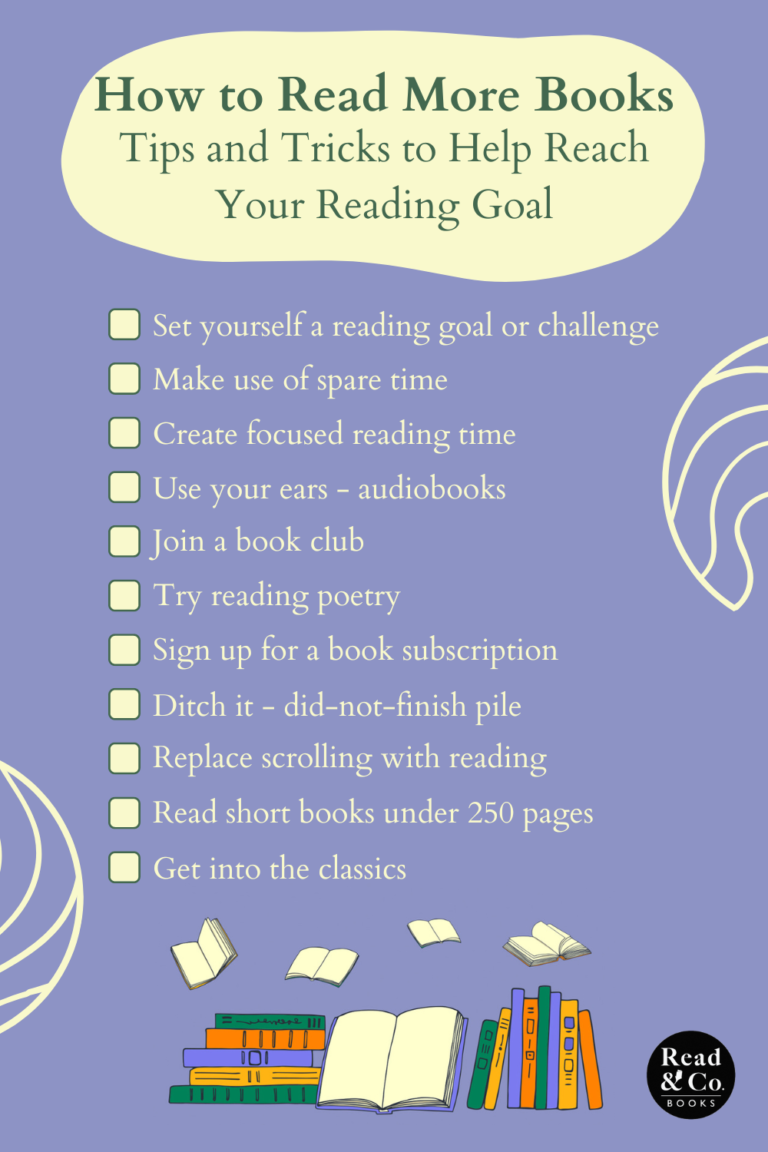
- Audiobooks: Use apps like Libby or Audible to turn chores, commutes, and workouts into reading time. You are still consuming the narrative even if you aren't physically looking at a page.
- E-readers: Devices like a Kindle allow you to carry an entire library in your pocket. They are perfect for travel and offer adjustable font sizes, which can make reading much more comfortable.
- Rotate Your Formats: If you find your eyes getting tired, switch to an audiobook. If you find your focus wandering while listening, switch to a print version. Keeping the format fresh is a great way to "hack" your attention span.
Verify Your Progress
How do you know if these steps are working?
- Check your tracker: Are you hitting your 15-minute or 10-page goal consistently for 7 days in a row?
- Monitor your mood: Do you find yourself looking forward to your "reading time" rather than viewing it as a chore?
- Reflect on retention: After a week, can you recall the main points or the plot of the books you've "read"? If yes, your comprehension is on the right track.
Step 5: Master the Art of "Reading in the Gaps"
Most people believe that reading requires a dedicated, hour-long session in a quiet library-like environment. While that is an ideal scenario, it is rarely the reality of a busy life. To truly increase your volume, you must learn to utilize the "in-between" moments of your day.
How to Find Hidden Reading Time
- The Commute Strategy: If you take public transit, use that time exclusively for reading. If you drive, utilize audiobooks to turn your morning traffic into an educational session (Source 3).
- The Waiting Room Rule: Keep a book or an e-reader app on your phone for those moments when you are waiting for an appointment, a friend, or a table at a restaurant. Instead of checking emails, read two pages.
- The "One-More-Page" Habit: Before you leave a room or finish a task, read just one page. It keeps the story fresh in your mind and maintains the momentum of the habit.
- The Bedtime Ritual: Replace 15 minutes of late-night scrolling with 15 minutes of reading. This not only helps you read more but improves sleep hygiene by removing blue light exposure before bed (Source 2).
Warning: Be careful not to use "reading in the gaps" as an excuse to avoid deep, focused reading. While micro-reading is great for consistency, your brain also needs the "deep work" of longer sessions to fully engage with complex ideas.
Verifying Success in Your Schedule
You will know you have successfully mastered this step when:
- Reduced Screen Time: Your phone’s "Screen Time" report shows a decrease in social media usage.
- Increased Book Count: You find yourself finishing books faster without feeling like you spent "extra" time reading.
- Reduced Anxiety: You no longer feel frustrated while waiting, because those moments have become an opportunity to escape into a book.
Step 6: Join a Reading Community for Accountability
Reading is often a solitary act, but it doesn’t have to be a lonely one. Integrating social elements into your reading life can provide the external motivation needed to keep going when your internal drive dips.
Ways to Engage with Other Readers
- Online Book Clubs: Platforms like Goodreads, Reddit (r/books), or dedicated Discord servers offer communities where you can discuss your current read and get recommendations (Source 2).
- Reading Challenges: Participate in annual challenges, such as the "Goodreads Reading Challenge" or local library programs, to gamify your progress (Source 3).
- The "Buddy Read" Method: Pair up with a friend to read the same book simultaneously. Having someone to text about plot twists or confusing concepts makes the experience interactive and fun.
- Local Library Events: Many libraries host in-person book clubs. These are excellent for meeting like-minded individuals in your area and finding books you might not have picked up otherwise.
Why Community Matters
Research shows that social accountability significantly increases the likelihood of habit formation (Source 1). When you know you have to discuss a book with a group, you are more likely to finish it. Furthermore, hearing different perspectives on the same text can enrich your understanding and make the reading experience far more memorable.
Step 7: Manage Your "To-Be-Read" (TBR) Pile
One common paradox of reading more is the "TBR Anxiety"—the feeling of being overwhelmed by the stack of books you haven't read yet. If not managed, this pile can become a source of guilt rather than excitement.
Strategies for TBR Management
- The "One-In, One-Out" Rule: For every new book you purchase, commit to finishing two from your current stack. This keeps your inventory manageable.
- Curated Lists: Instead of buying every book that catches your eye, use a "Wishlist" function on an online bookstore or a "Want to Read" shelf on Goodreads. Wait 48 hours before buying a new title to see if you still actually want it.
- Seasonal Rotation: Group your TBR list by season or mood. Keep a list of "cozy winter reads" and "fast-paced summer thrillers." This helps you choose the right book for your current emotional state.
- Library First: Before buying a book, check if it is available at your local library. If it is, borrow it first. If you love it enough to re-read it later, then purchase a copy for your home collection.
Caution: Avoid "book hoarding." Having a massive, unread shelf can lead to decision paralysis, where you spend more time choosing what to read than actually reading. Keep your active, accessible TBR list to a size that feels manageable.
Verifying Success with Your TBR
You have successfully managed your TBR when:
- The Selection Process is Fast: You can pick your next book in under 5 minutes because your list is curated and purposeful.
- The "Guilt Factor" is Gone: You view your unread books as a "library of possibilities" rather than a "to-do list of failures."
- Budget Stability: You are spending less on impulse book buys and more on titles you actually intend to finish.
Step 8: Develop Critical Thinking and Retention Skills
Reading more is only half the battle; retaining what you read and applying those lessons is how you truly benefit from the habit. Many beginners find that they finish a book and realize they have forgotten most of the content within weeks.
How to Engage Deeply with Text
- Active Annotation: If you own the book, use a pencil or highlighter to mark passages that resonate with you. Write notes in the margins—agreeing, disagreeing, or asking questions.
- The Feynman Technique: After finishing a chapter, try to explain the main idea to someone else (or to yourself out loud) in simple terms. If you can’t, you haven't fully grasped the concept.
- Keep a Reading Journal: Dedicate a notebook to your reading. Write down the title, the date you finished, and three key takeaways or favorite quotes. This creates a permanent record of your intellectual growth (Source 3).
- Review After Reading: Spend 5 minutes after finishing a book writing a short summary or a reflection on how the book changed your thinking. This "post-game analysis" solidifies the memory.
Why Retention Matters
The cognitive benefits of reading—such as improved focus and vocabulary—are amplified when you engage with the text actively (Source 1). By moving from a passive reader to an active participant, you turn reading from a simple distraction into a transformative tool for personal development.
Step 9: Overcoming the "Reading Slump"
Even the most avid readers go through periods where they struggle to pick up a book. This is known as a "reading slump," and it is a completely normal part of the process.
How to Break a Slump
- Switch Genres: If you’re stuck in a slump, it’s often because your current book doesn't match your energy level. Switch to a completely different genre—if you’ve been reading heavy history, try a light-hearted mystery.
- The "Reread" Trick: Pick up a book you have already read and loved. Rereading a favorite title is like visiting an old friend; it is comforting, familiar, and requires zero effort to get back into the flow.
- Short-Form Content: If you can't commit to a 400-page novel, read a book of essays, short stories, or poetry. The sense of completion you get from finishing a short piece can kickstart your motivation.
- Take a Break: Sometimes the best way to get back to reading is to stop forcing it for a few days. Give yourself permission to step away from books entirely, and you will often find your desire to return comes back naturally.
Recognizing the Signs
You are entering a reading slump if:
- You find yourself staring at your bookshelf for long periods without picking anything up.
- You start books but find yourself distracted after only a page or two.
- The thought of reading feels like a chore or an obligation rather than a reward.
Step 10: Curating Your Personal Library
As you grow as a reader, your collection of books will start to reflect your personality and your intellectual journey. Building a personal library is not just about aesthetics; it is about creating a space that inspires you to continue your growth.
Tips for Building Your Collection
- Quality Over Quantity: Focus on acquiring editions that you love, whether that means beautiful hardcovers or well-loved paperbacks with character.
- Thematic Sections: Organize your books by subject or by how they make you feel. Having a section for "Inspiration," "Fiction," and "Reference" can make your collection feel like a curated museum of your interests.
- The "Gift" Philosophy: If you read a book that truly changes your life, buy an extra copy to gift to a friend. Sharing books is one of the most rewarding parts of being a reader.
- Maintenance: Dust your shelves occasionally. The act of cleaning your books allows you to rediscover titles you might have forgotten about, often leading to a second read.
Why Your Physical Environment Matters
Your home is your sanctuary, and the books you display serve as a constant visual cue to continue your reading practice. When you see your books, you are reminded of the worlds you have visited and the things you have learned, which reinforces your identity as a "reader."
Step 11: Understanding the Science of Reading
To stay motivated, it helps to understand exactly what is happening inside your brain when you read. Science shows that reading is not just a passive consumption of information; it is a complex neurological exercise.
The Neurological Benefits
- Neuroplasticity: Reading engages multiple parts of the brain simultaneously—visual processing, language comprehension, and memory. This strengthens the brain’s neural pathways, keeping it agile as you age (Source 1).
- Empathy Training: Fiction, in particular, has been shown to increase "theory of mind"—the ability to understand the mental states of others. By inhabiting the perspective of a character, you literally practice empathy (Source 2).
- Stress Reduction: Studies have indicated that as little as six minutes of reading can reduce stress levels by up to 68%, making it one of the most effective relaxation techniques available (Source 1).
- Cognitive Reserve: Frequent reading is linked to a higher cognitive reserve, which may help protect the brain against age-related decline and memory loss.
How to Leverage This Knowledge
Use this information as a "health" argument for your reading habit. When you are feeling lazy or tempted to skip your reading time, remind yourself that you aren't just "reading a book"—you are performing a vital maintenance task for your mental health and cognitive longevity.
Step 12: Diversifying Your Perspective
One of the greatest gifts of reading is the ability to travel to places you have never been and understand lives you have never lived. To get the most out of your reading habit, you should intentionally diversify the voices and perspectives you consume.
How to Expand Your Horizons
- Read International Authors: Seek out books from authors in countries you have never visited. This provides an authentic look at different cultures, histories, and societal values.
- Read Outside Your Comfort Zone: If you usually read self-help, pick up a memoir by someone with a completely different background. If you usually read fantasy, try a biography of a scientist.
- Seek Marginalized Voices: Make an effort to read books by authors from diverse racial, ethnic, and socioeconomic backgrounds. This broadens your worldview and challenges your inherent biases.
- Follow Diverse Reading Lists: Look for curated lists from reputable cultural sources that focus on "books that define a culture" or "essential works of international literature."
Verifying Your Growth
You will know you are successfully diversifying your reading when:
- Your Empathy Grows: You find yourself thinking about characters or historical figures from your books in your daily life.
- Your Opinions Shift: You encounter ideas in books that challenge your long-held beliefs, and you find yourself open to considering them.
- Your Worldview Widens: You feel more connected to the global human experience because you have read stories from so many different walks of life.
Step 13: Integrating Audiobooks into Your Lifestyle
We mentioned audiobooks earlier, but they deserve a deeper dive. Many people feel "guilty" for listening to books instead of reading them. It is time to dismantle that gatekeeping.
The Case for Audiobooks
- Equal Cognitive Value: Research suggests that the brain processes narrative information in the same way, whether it is read on a page or heard through headphones. You are still building the same mental structures (Source 3).
- Accessibility: Audiobooks allow those with vision impairments or learning differences to enjoy literature, and they allow anyone to "read" while performing manual tasks like cooking or cleaning.
- Performance Art: Many audiobooks are narrated by professional actors or even the authors themselves. This adds a layer of performance and interpretation that can make a book come alive in a way the written word cannot.
When to Use Audiobooks
- During Mundane Chores: Laundry, dishes, and cleaning are perfect times for an audiobook.
- During Exercise: If you find working out boring, an engaging thriller or a gripping biography can make the time fly by.
- Commuting: As mentioned, this is the gold standard for audiobooks.
- Before Bed: Some people find that listening to a soothing narrator helps them drift off to sleep, provided the story isn't too intense.
Warning: Be careful with "passive listening." If you find your mind wandering during an audiobook, you may need to increase the playback speed slightly or choose a more engaging narrator. If you still can't focus, it might be better to switch to a physical text for that specific book.
Step 14: Using Technology to Your Advantage
The modern reader has a massive advantage over readers of the past: technology. From instant access to global libraries to tools that help you track your reading speed, digital aids can be a game-changer.
Essential Digital Tools
- Libby/Overdrive: These apps connect to your local library card and allow you to borrow e-books and audiobooks for free. It is the single most effective way to read more without spending money (Source 4).
- Goodreads: Use this to track your reading, see what your friends are reading, and get recommendations based on your past favorites.
- Notion/Obsidian: Use these note-taking apps to build a "Second Brain" where you store quotes, summaries, and reflections from your reading.
- E-Reader Settings: Don't be afraid to change your font size, line spacing, or background color. Many e-readers have a "warm light" feature that reduces eye strain, making it much easier to read for long periods.
Verifying Your Digital Setup
Your technology is working for you if:
- You spend less time searching for books and more time reading them.
- You have a seamless transition between your physical books and your digital devices.
- You are actively using your digital tools to enhance your memory of what you’ve read.
Step 15: The Importance of "Slow Reading"
In a world obsessed with speed and "productivity hacks," it is important to remember that reading is not a race. Sometimes, the most valuable reading experience is the one you take your time with.
The Philosophy of Slow Reading
- Savoring the Prose: Some books are written with such beauty that they deserve to be read slowly. Don't rush through a poetic novel just to tick it off your list.
- Reflective Pauses: Stop after particularly impactful passages. Close the book and think about what you just read. Let the ideas settle.
- The "One-Book" Approach: Instead of juggling three or four books at once, commit to one book until it is finished. This allows you to immerse yourself fully in the author's world.
- No Pressure: Remember that you don't need to read 50 books a year to be a "real" reader. If you read two books a year but they change your life, you have succeeded.
How to Practice Slow Reading
- Set a Timer: Instead of a page goal, set a "time goal" where you allow yourself to read as slowly as you want for 20 minutes.
- Read Aloud: If you find yourself rushing, read a paragraph out loud. It forces you to slow down and appreciate the rhythm of the language.
- Read in Nature: Go to a park or a quiet outdoor spot. The environment naturally encourages a slower, more contemplative pace.
Step 16: Building a Lifelong Habit
The ultimate goal of this guide is not to help you read more for a month, but to turn reading into a lifelong habit that persists through the changing seasons of your life.
Long-Term Sustainability
- Evolve With Your Life: Your reading habits will change as you get older, have children, change careers, or move to new places. Be flexible. If you used to read for an hour at night but now only have 10 minutes in the morning, that is okay.
- Identity Shift: Stop saying "I am trying to read more" and start saying "I am a reader." Once you adopt this identity, the actions will follow.
- The Ripple Effect: Encourage your friends and family to read. Start a book club or simply share a favorite book with a loved one. The more you surround yourself with readers, the easier it is to maintain the habit.
- Celebrate the Small Wins: Every book you finish is an accomplishment. Celebrate it. Buy yourself a coffee, tell a friend, or add it to your "Finished" list with pride.
How to Verify Long-Term Success
You have achieved a lifelong habit when:
- It’s Automatic: You find yourself reaching for a book during downtime without even thinking about it.
- It’s Non-Negotiable: You feel a sense of loss or "emptiness" if you go too many days without reading.
- It’s Your Default: When you are stressed, bored, or curious, your first instinct is to turn to a book, not a screen.
By following these steps, you are not just building a hobby; you are building a richer, deeper, and more intellectually vibrant life. The journey of a thousand pages begins with the first one, and you have already taken that step. Keep turning the pages, stay curious, and enjoy the lifelong adventure that reading provides.
References
-
Bookfantasies — How to Start Reading Books: A Beginner’s Guide, 2026
-
Bookpaathshala — Beginner’s Guide: How to Start Reading Books Consistently, 2026
-
Whattoreadnextblog — 25 Tips to Build a Reading Habit and Finish More Books, 2026
-
Theguardian — How to read more: 12 book-ish things to help clear your to-read list, 2026
-
Independentbookreview — 10 Easy Ways to Read More Books – Independent Book Review, 2026
-
Aimlief — 18 Ways to Read More Books and Become Smarter – aimlief, 2026
-
Bibliolifestyle — 30 Game-Changing Tips to Read More Books This Year, 2026
-
Artofmanliness — How to Read More Books – The Art of Manliness, 2026