The American South is a region defined by its stories, where the past is never truly past but remains an active participant in daily life. In exploring Memoirs from the American South: Identity and memory, we enter a literary landscape where personal recollection intersects with collective history, folklore, and cultural trauma. For general readers, navigating these memoirs requires more than just an appreciation for beautiful prose; it demands an active engagement with the complex social, racial, and geographical forces that shape the writer's perspective.
Autobiographical writing from this region functions as a vital battleground for cultural identity. Writers utilize the memoir format to reclaim forgotten histories, challenge monolithic stereotypes, and reconcile their personal affection for their homeland with its historical injustices. By learning how to read these narratives critically, we can transform our understanding of the South from a caricature of nostalgia into a rich, multi-layered tapestry of human experience.
The Traditional Baseline: Misinterpreting Southern Memoirs as Pure Nostalgia
Before adopting a critical reading framework, many readers approach Southern memoirs through a highly romanticized lens. This traditional baseline often reduces complex historical realities to comforting myths of front-porch storytelling, pastoral landscapes, and eccentric family dynamics. This superficial engagement prevents readers from recognizing the deep psychological undercurrents and systemic tensions embedded within the text.
- Accepting narrative accounts as objective historical truth without questioning the author's selective omissions.
- Viewing the South as a homogeneous cultural landscape, ignoring the vast differences between Appalachian, Delta, and coastal societies.
- Overlooking the subtle coded language used to mask racial, class, or gender-based disparities.
- Confusing personal nostalgia with systemic historical realities, which can inadvertently sanitize painful histories.
- Ignoring the author's psychological defense mechanisms, such as guilt, denial, or regional defensiveness.
| Analytical Metric | Naive/Nostalgic Interpretation | Analytical Risk |
|---|---|---|
| Historical Accuracy | Accepted as literal, objective fact. | Whitewashes systemic inequalities and historical trauma. |
| Narrative Scope | Viewed as a universal representation of the South. | Erases marginalized voices and diverse sub-regional identities. |
| Cultural Nuance | Dismissed as quaint, colorful local color. | Trivializes serious discussions of class, race, and power. |
This baseline reading pattern leaves readers ill-equipped to appreciate the true literary and historical value of Southern life writing. To move beyond this limited perspective, we must implement a structured intervention plan that treats memory not as a static archive, but as a dynamic and subjective process of reconstruction.
Deconstructing the Myth of a Monolithic Southern Identity
One of the greatest hurdles in appreciating Southern memoirs is the persistent myth of a single, monolithic Southern identity. In reality, the American South is a collection of distinct micro-regions, each with its own economic histories, cultural traditions, and social hierarchies. A memoirist writing from the coal-mining communities of the Appalachian mountains will have a fundamentally different relationship with identity and memory than one writing from the fertile, historically troubled soil of the Mississippi Delta.
To truly understand these narratives, readers must actively contextualize the author's specific geographic and socio-economic origins. This involves looking beyond broad regional generalizations and focusing on the hyper-local realities of the setting. By recognizing these distinctions, we can appreciate how diverse authors construct their identities in opposition to, or in harmony with, the specific communities that raised them.
The Critical Intervention: A Multi-Layered Framework for Reading Southern Memoirs
To elevate our reading practice, we must adopt an active, analytical framework. This step-by-step intervention plan helps readers peel back the layers of lyrical prose to uncover the underlying tensions of identity, guilt, and memory that define the genre.
- Identify the author's socio-economic and geographic background to understand their position within the regional hierarchy.
- Cross-reference personal anecdotes with documented historical records to identify where personal memory diverges from historical consensus.
- Analyze the use of dialect, vernacular, and local idioms to determine how the author uses language to establish authenticity or distance.
- Examine the silences and ellipses in the text, asking ourselves what (or who) has been left out of the narrative and why.
- Map the emotional geography of the setting, noting how physical spaces like homes, fields, and rivers represent psychological states.
- Critique the power dynamics presented between different cultural groups, especially regarding race, class, and gender.
By systematically applying these steps, readers can move past passive consumption and begin to engage with memoirs as complex cultural artifacts. This analytical transition is crucial for recognizing how memory is actively constructed to serve the author's present-day identity needs.
Navigating the Pitfalls of Unreliable Memory and Selective History
The Fallibility of Autobiographical Memory
Memory is inherently fragile and selective. When analyzing memoirs from the American South, we must remember that the author is not presenting a historical document, but a reconstructed version of their past. Trauma, nostalgia, and the passage of time can distort timelines, exaggerate emotional truths, and soften harsh realities. Recognizing this fallibility allows us to appreciate the memoir as a psychological portrait rather than a literal transcript of events.
The Danger of Regional Apologetics
Another common pitfall is the tendency for some memoirists to engage in regional apologetics—defending or minimizing the historical injustices of their home region to preserve a sense of personal pride or familial honor. As critical readers, we must balance empathy for the author's personal journey with a clear-eyed assessment of the historical contexts they describe. This balance is particularly important when reading memoirs that touch upon the Jim Crow era or the legacy of slavery, where personal affection can easily cloud historical accountability. For a deeper look at how these historical themes are documented objectively, readers can consult historical nonfiction books about the American South.
Addressing the Blind Spots During Your Literary Analysis
As you transition to a more analytical reading style, it is easy to fall into new analytical traps. To maintain a balanced perspective, keep these key watchouts in mind during your literary journey:
- Do not mistake lyrical, poetic prose for factual historical consensus. Southern literature is famous for its atmospheric writing, but beautiful language can sometimes obscure historical inaccuracies.
- Avoid applying modern moral standards without historical context; instead, analyze how the author grapples with the moral limitations of their own era.
- Never assume one memoir represents the entire Southern experience; always seek out contrasting perspectives to build a balanced viewpoint.
- Watch out for performative Southern eccentricities designed to appeal to non-Southern audiences, which can sometimes border on self-caricature.
- Be skeptical of narratives that resolve deep-seated racial or class conflicts too cleanly, as real-world reconciliation is rarely neat or simple.
The Transformed Reader: Achieving a Multi-Dimensional View of Southern Landscapes
Once you implement a critical reading framework, your engagement with Southern life writing undergoes a profound transformation. No longer satisfied with simple nostalgia, you begin to see the complex interplay of history, psychology, and geography that makes these memoirs so compelling.
- Narrative Comprehension: A dramatic increase in your ability to identify subtextual racial, class, and gender dynamics within the text.
- Historical Contextualization: The ability to map personal family histories directly to major regional inflection points, such as the Great Migration or the Civil Rights Movement.
- Empathy and Pluralism: A deep appreciation for the diverse, often conflicting voices that make up the modern Southern literary canon.
- Critical Literacy: The development of transferable analytical skills that allow you to evaluate autobiographical writing from any region or culture.
Comparing the Naive and Critical Approaches to Southern Memoirs
To visualize this cognitive shift, consider the following comparison table, which outlines how a naive reader and a critical reader interpret key elements of Southern memoirs:
| Narrative Dimension | The Nostalgic/Naive Lens | The Critical/Analytical Lens |
|---|---|---|
| View of History | A static backdrop of charm, tradition, and struggle. | An active, contested force that shapes present-day identities. |
| Representation of Race | A source of interpersonal harmony or simplified conflict. | A systemic structure that influences every aspect of daily life. |
| Role of Place | A picturesque setting filled with local color. | A living, breathing character that exerts psychological pressure. |
| Treatment of Memory | An accurate, objective record of the past. | A subjective, creative act of identity construction and defense. |
| Reader's Role | Passive consumer of charming or tragic stories. | Active investigator of subtext, context, and narrative choices. |
How to Measure and Document Your Analytical Growth
To ensure that your critical reading skills continue to develop, it is helpful to establish a structured system for tracking and documenting your insights. Use this step-by-step process to measure your growth over time:
- Maintain a comparative reading journal where you track recurring themes, motifs, and narrative structures across different memoirs.
- Write short, reflective summaries after completing each book, focusing specifically on how the author constructs their sense of place and identity.
- Participate in literary discussion groups or online forums to share your insights and challenge your own interpretations.
- Map the geographical settings of the memoirs you read to visualize the spatial and cultural diversity of the region.
- Compare the memoir's themes with contemporary poetry of the American South to see how different genres process the same regional memories.
The Role of Race and Class in Shaping Autobiographical Memory
"Memory is not a passive recording instrument; it is an active battleground where identity is forged, defended, and sometimes redeemed. In the American South, this battleground is permanently shaped by the enduring legacies of race and class."
For Black memoirists, such as Maya Angelou or Richard Wright, writing about the South is often an act of survival, resistance, and reclamation. Their memories are frequently marked by the physical and psychological violence of white supremacy, but they are also filled with stories of community resilience, joy, and cultural pride. For these writers, memory serves as a tool to expose historical crimes and demand recognition of their humanity.
Conversely, white memoirists often grapple with a complex mixture of love, complicity, and guilt. Their narratives frequently explore the realization of their own privilege and the moral challenge of loving a place and a family that participated in systemic oppression. By analyzing these contrasting perspectives, readers can appreciate how deeply race and class influence what a writer remembers, what they choose to forget, and how they construct their ultimate identity.
Exploring the Geography of the Mind: Place as a Living Character
The Physical Landscape vs. The Psychological Space
In Southern literature, setting is rarely just a backdrop; it functions as a dynamic character that actively shapes the characters' lives and choices. The physical geography—the dense forests, winding bayous, humid heat, and red clay—is deeply intertwined with the psychological landscape of the memoirist. For a broader exploration of these narrative techniques, you can read about Deep South storytelling traditions in modern literature, which details the unique ways Southern writers construct their worlds.
The Gothic Elements of Southern Landscapes
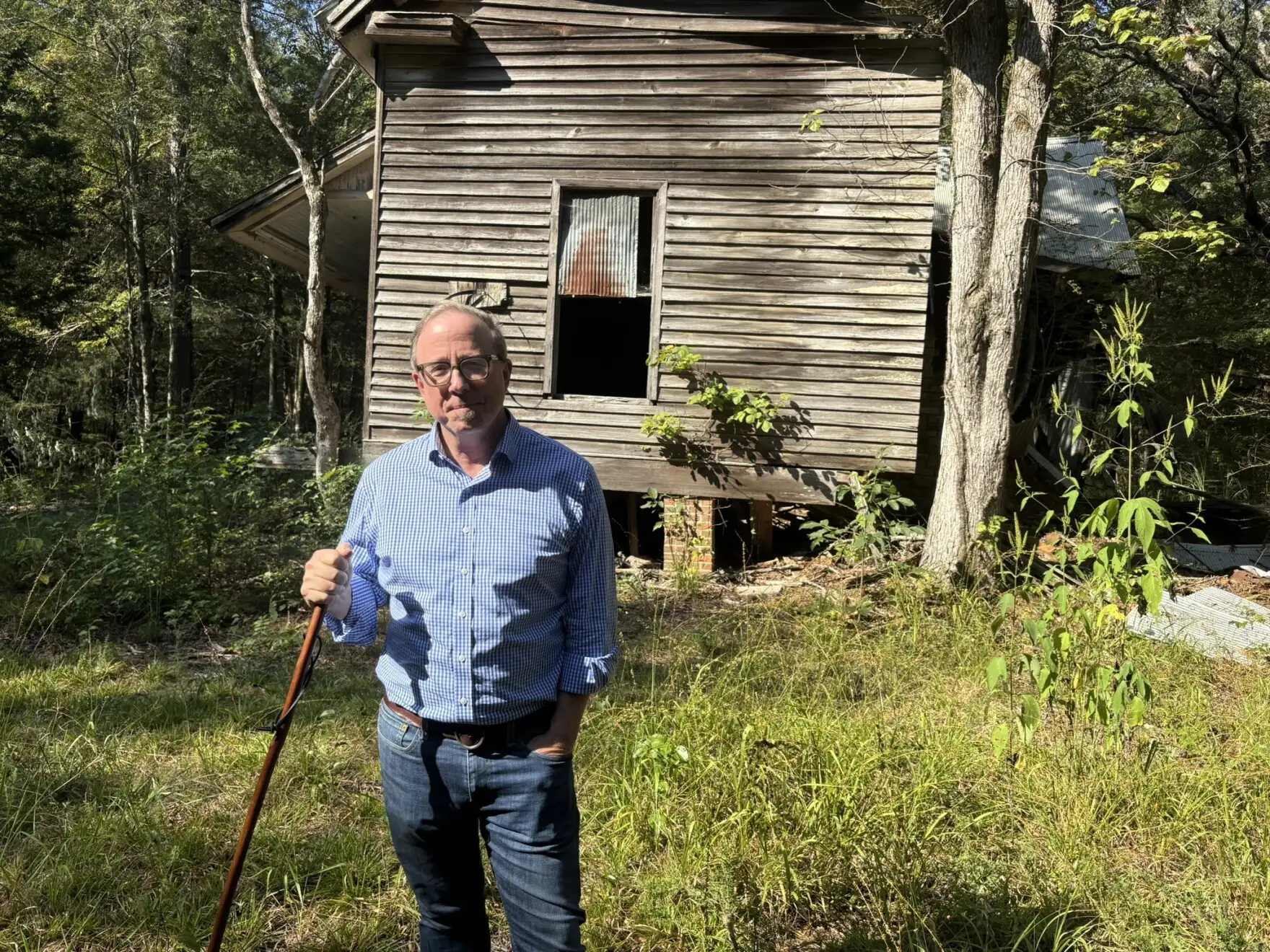
Many Southern memoirs incorporate elements of the Southern Gothic, utilizing decay, mystery, and the grotesque to mirror the internal struggles of the narrator. This stylistic choice highlights how the weight of the past can haunt physical spaces, turning old family homesteads, abandoned plantations, and overgrown forests into sites of psychological reckoning.
- The decaying family home representing the decline of old social structures and family fortunes.
- The untamed swamp or bayou symbolizing the subconscious mind, secrets, and hidden histories.
- The oppressive summer heat acting as a physical manifestation of social tension and emotional stagnation.
- The isolated rural road representing both the desire for escape and the inescapable pull of home.
Trauma, Guilt, and Reconciliation in the Post-Civil Rights Era
Modern Southern memoirs, particularly those written after the Civil Rights Movement, are deeply concerned with the process of reconciliation. Writers of this era must navigate a changing cultural landscape while carrying the memories of a segregated past. This transition often produces narratives marked by intense personal conflict, as authors struggle to reconcile their childhood memories of a beloved community with their adult understanding of that community's systemic injustices.
These memoirs are essential for understanding how the modern South continues to evolve. They demonstrate that reconciliation is not a single historical event, but an ongoing, deeply personal process of truth-telling and self-examination. By witnessing this struggle through the intimate medium of memoir, readers gain a more empathetic and nuanced understanding of the region's ongoing journey toward justice.
The Power of Foodway Narratives in Reclaiming Southern Heritage
Food plays an extraordinarily powerful role in Southern memoirs, serving as a sensory bridge to the past and a primary marker of cultural identity. Descriptions of meals, family recipes, and kitchen dynamics are rarely just about sustenance; they are complex negotiations of class, race, gender, and heritage.
- Food as a site of racial and cultural fusion, highlighting the shared culinary histories of Black and white Southerners despite systemic segregation.
- The kitchen as a space of female agency, where women historically exercised authority and preserved family memories.
- Recipes serving as physical artifacts of memory, passed down through generations to maintain connection across time and space.
- The contrast between scarcity and abundance, illustrating the deep class divisions that have historically shaped the region.
- The act of sharing a meal as a performative gesture of peace-making, community-building, and cultural reconciliation.
Gender and the Modern Southern Woman’s Memoir
Southern women memoirists face a unique set of cultural expectations, historically bound by the restrictive archetype of the "Southern Belle"—a myth of submissiveness, purity, and domesticity. Modern female memoirists use their life writing to dismantle these expectations, presenting raw, honest, and often rebellious accounts of their lives.
- Exposing the domestic restrictions of traditional Southern patriarchal structures.
- Reclaiming agency over their bodies, desires, and career ambitions in a historically conservative environment.
- Documenting the complex, often fraught relationships between mothers and daughters in the preservation of family myths.
- Giving voice to queer Southern experiences, challenging the heteronormative assumptions of regional culture.
- Analyzing the intersection of gender and race, particularly the historical relationships between white women and women of color within Southern households.
Practical Resources for Further Literary Exploration
To begin your journey into the rich world of Southern life writing, it is helpful to start with a curated selection of seminal works. The following table provides a starting point, categorizing classic and contemporary memoirs by their primary themes and regional settings:
| Memoir Title | Author | Primary Theme | Regional Setting |
|---|---|---|---|
| Black Boy | Richard Wright | Racial oppression, intellectual awakening, and survival. | Mississippi / Tennessee |
| One Writer's Beginnings | Eudora Welty | The development of a writer's voice and the power of listening. | Mississippi |
| All Over but the Shoutin' | Rick Bragg | Class struggles, maternal sacrifice, and regional pride. | Appalachian Alabama |
| Ecology of a Cracker Child | Janisse Ray | Environmental conservation, poverty, and family heritage. | Georgia Pine Flatwoods |
By exploring these diverse voices, you will gain a comprehensive, multi-dimensional understanding of how identity and memory are constructed in the American South. For more information on historical documentation and literary analysis, you can visit the Library of Congress to access archival materials and oral histories that provide invaluable context to these personal narratives.