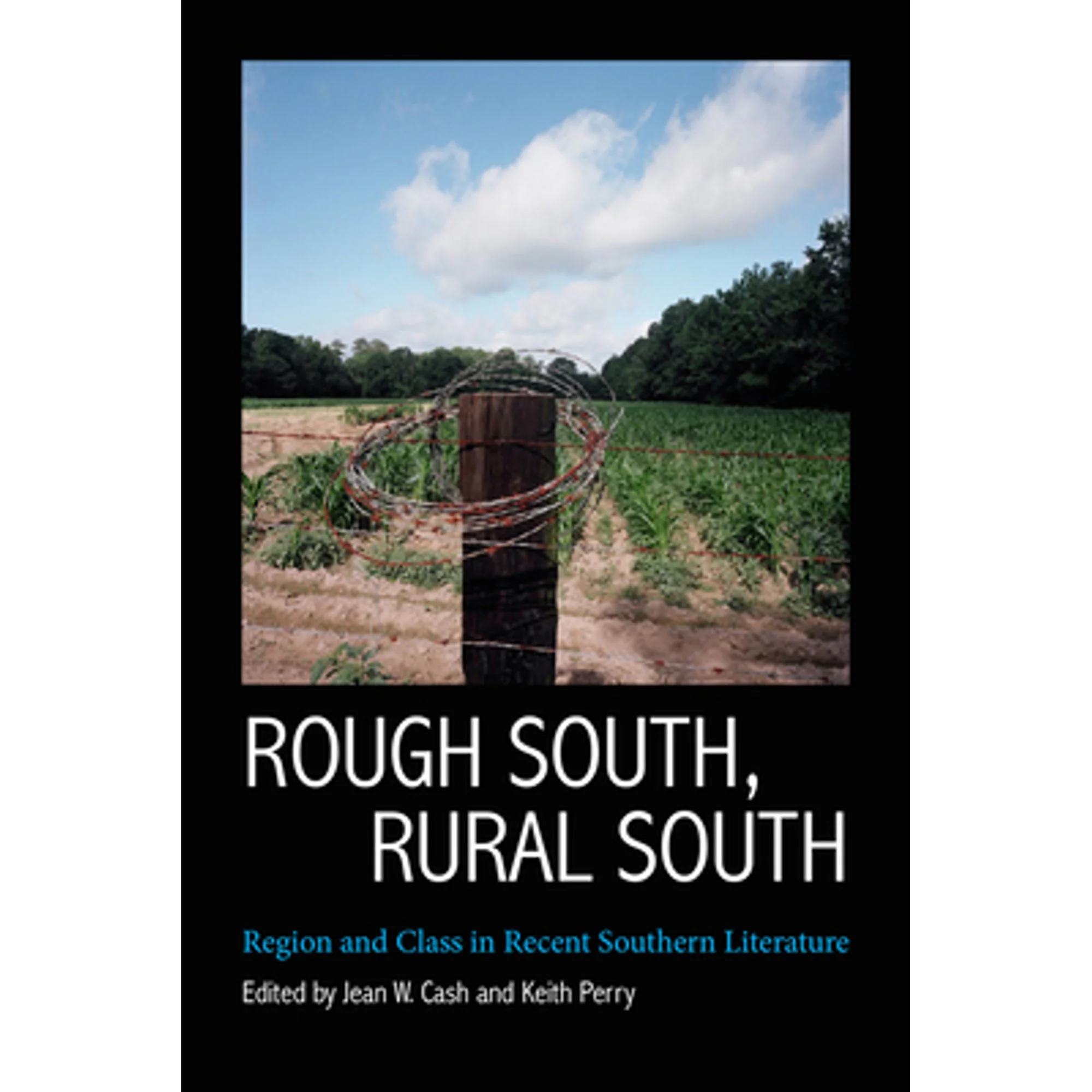
Day 1: Unpacking the Roots of Myth, Memory, and Place
Southern literature occupies a distinct and hallowed space within the broader landscape of American storytelling, characterized by a deep obsession with history, familial legacy, and the heavy atmospheric weight of the physical landscape. When examining regional fiction from states like Mississippi, Georgia, Alabama, and South Carolina, readers quickly realize that place is never just a static backdrop; it operates almost as an active, breathing character that dictates the moral and psychological trajectories of its inhabitants. According to literary scholarship on Wikipedia, this intense regionalism stems from a shared history marked by romanticized myths, profound societal trauma, civil conflict, and subsequent economic isolation.
- Regional fiction demands an understanding of generational memory and how past ancestral sins continue to haunt modern descendants.
- The oppressive summer heat and humid bayous often mirror the internal psychological pressure cooker experienced by protagonists.
- Small-town insularity creates intense social surveillance, making personal secrets virtually impossible to keep hidden for long.
- Rural poverty and the shifting post-plantation economy provide a gritty, realistic framework for dramatic socioeconomic conflicts.
- Religious fervor, often expressed through strict fundamentalism, clashes constantly with human desires and hidden hypocrisies.
As you begin exploring this genre, it becomes clear that these foundational elements are not mere tropes, but necessary lenses through which authors critique and celebrate their complex cultural inheritance. Readers must approach these texts with an open mind, willing to sit with moral ambiguity rather than seeking neat, comfortable resolutions to human suffering.
Week 1: Navigating the Gothic Grotesque and Moral Decay
Moving past standard historical romance, the Southern Gothic subgenre introduces readers to macabre elements, deeply flawed characters, and startling moments of grace that emerge from extreme degradation. Authors like Flannery O'Connor and William Faulkner mastered the art of using physical deformities or psychological eccentricities to symbolize deeper spiritual and societal sickness. This aesthetic relies heavily on shock value not for cheap thrills, but to pierce through the complacency of polite society and reveal stark, uncomfortable truths about human nature.
- Identify recurring physical or psychological eccentricities in characters and ask what larger societal trauma they might represent.
- Pay close attention to moments of sudden, violent epiphany where characters are violently stripped of their worldly pride.
- Examine how abandoned properties, decaying mansions, and overgrown landscapes reflect the moral bankruptcy of old dynasties.
- Contrast the public facade of Southern hospitality with the brutal private cruelty inflicted behind closed doors.
- Analyze the role of outcasts, prophets, and madmen who speak uncomfortable truths that polite society refuses to acknowledge.
Experiment A: Tracing Racial Tensions and Civil Rights Transformations
No study of Southern literature is complete without confronting the central, unavoidable trauma of racial injustice and the long, painful road toward civil rights reform. Writers such as Harper Lee, Richard Wright, and Ernest J. Gaines documented the daily indignities, terror, and quiet resistance of African Americans living under the shadow of Jim Crow laws. These narratives challenge readers to examine the mechanics of institutional oppression and the courage required to stand against deeply entrenched community norms.
- Examine the sharp contrast between white pastoral fantasies and the brutal, exploited labor realities experienced by Black sharecroppers.
- Observe how courtroom dramas function as microcosms for the larger cultural battles over justice, truth, and local power.
- Track the evolution of protest literature from quiet endurance to active, organized political resistance and civil disobedience.
- Listen carefully to the distinct linguistic rhythms and code-switching used by marginalized characters to survive hostile environments.
- Evaluate the moral awakenings and stubborn complicity of bystanders who choose silence over justice during moments of crisis.
Mid-Article Synthesis: Comparing Major Literary Movements
To fully grasp the historical trajectory of Southern fiction, it helps to categorize the primary movements, thematic focuses, and defining stylistic traits that have shaped the region over the past century. The table below outlines how these literary waves shifted from romanticized nostalgia to harsh realism and contemporary pluralism.
| Movement / Era | Core Focus | Representative Authors | Key Aesthetic Style |
|---|---|---|---|
| Antebellum & Reconstruction | Romanticized chivalry vs. bitter defeat | Thomas Nelson Page, George Washington Cable | Sentimental, pastoral, highly idealized |
| The Southern Renaissance | Myth-making, decay, modern alienation | William Faulkner, Eudora Welty, Thomas Wolfe | Stream-of-consciousness, dense, gothic |
| Civil Rights & Protest Era | Racial inequality, systemic oppression | Richard Wright, Harper Lee, James Baldwin | Realist, urgent, socially confrontational |
| Contemporary Pluralism | Diverse identities, modern diaspora | Jesmyn Ward, Kiese Laymon, Tayari Jones | Lyrical, intersectional, expansive |
Experiment B: Unearthing the Power of Oral Tradition and Folklore
Long before printing presses disseminated stories across the region, Southern culture was sustained by a rich, vibrant oral tradition rooted in porch-sitting, storytelling circles, and church pews. This folklore often blends biblical imagery with African spiritualism and European fairy tales, creating a magical realism unique to the American South long before Latin American authors popularized the term. When reading works by Zora Neale Hurston or Eudora Welty, you can hear the cadence of spoken dialect lifting directly off the page, demanding to be read aloud.
- Read dialogue sections aloud to appreciate the musicality, timing, and regional cadence embedded in the phrasing.
- Identify recurring mythological figures, ghosts, and trickster archetypes borrowed from African American and Appalachian folklore.
- Notice how gossip and local rumor mills function as informal legal systems within isolated rural communities.
- Examine the use of hyperbole, tall tales, and dark humor as emotional survival mechanisms against hardship.
- Trace how sacred music, spirituals, and blues lyrics bleed into the narrative structure of the prose.
Phase 3: Decoding the Complex Roles of Women and Domesticity
The traditional archetype of the Southern belle has long dominated popular culture, but serious regional literature systematically deconstructs this restrictive mask. Female protagonists in these novels frequently find themselves trapped between expectations of passive grace and a fierce internal desire for independence, intellectual freedom, and self-actualization. Authors like Carson McCullers and Flannery O'Connor explored gender roles that defied traditional domesticity, offering portraits of women who are eccentric, violent, brilliant, or profoundly lonely.
- Challenge the myth of the passive, agreeable Southern woman by examining characters who actively subvert patriarchal authority.
- Analyze the psychological toll of enforced hospitality and the expectation always to maintain a smiling public facade.
- Explore friendships and rivalries between women as spaces of intense emotional survival or bitter competition.
- Investigate how motherhood is portrayed—ranging from fiercely protective maternal instincts to deeply ambivalent detachment.
- Observe the economic vulnerability of women who lack property rights or independent means in historical settings.
Deep Dive: The Architecture of Isolation in Rural Settings
Understanding Geographical Enclosure
Isolation in regional fiction is rarely just physical; it is an emotional and spiritual quarantine that forces characters to confront their deepest demons without distraction. Whether on a remote delta farm in Mississippi or deep within the Appalachian mountains, the lack of outside intervention allows family feuds, guilt, and madness to fester undisturbed for decades.
Common Pitfalls When Reading Regional Isolationism
Readers often make the mistake of viewing isolated rural characters as simple caricatures or ignorant hicks. In reality, master writers endow these figures with profound, albeit idiosyncratic, philosophical insights into the human condition. Never dismiss a backwoods protagonist as unintelligent; listen closely to the metaphors they use to explain their suffering.
- Look for symbolic boundaries such as rivers, fences, and dense treelines that mark the limits of safe civilization.
- Consider how seasonal isolation—such as winter snows or impassable spring mud—locks families together for months of psychological warfare.
- Examine the role of local institutions like the general store or the diner as the sole points of human contact.
Experiment C: Examining Class Strife and the Poor White Experience
While much early literature focused on fallen aristocracy or wealthy plantation owners, a vital strand of regional fiction turns its gaze toward the white working class, tenant farmers, and impoverished rural laborers. Authors such as Cormac McCarthy and Harry Crews captured the brutal physical labor, desperate poverty, and fierce pride of people living on the absolute margins of society. These narratives dismantle romantic notions of rural simplicity, exposing instead the grinding wear-and-tear of economic neglect.
- Note how economic desperation forces ordinary people into morally compromising situations with devastating long-term consequences.
- Examine the rigid, paranoid hierarchies poor communities maintain to feel superior to other marginalized groups.
- Evaluate the physical toll that manual labor, poor nutrition, and lack of healthcare take on aging characters.
- Track how aspirations for upward mobility are repeatedly crushed by systemic disadvantages and bad luck.
- Observe the complex role that religion plays in offering either genuine comfort or oppressive social control to the destitute.
Day 14: Confronting the Burden of Historical Guilt and Haunting
“The past is never dead. It's not even past.” This famous line from William Faulkner encapsulates the psychological engine driving the finest regional fiction, where ancestral actions dictate contemporary doom.
Characters in these novels rarely experience the present moment cleanly; they walk through life carrying the invisible luggage of wars their grandfathers fought, fortunes their families lost, and injustices their communities tried to sweep under the rug. This omnipresent sense of haunting transforms standard domestic drama into epic psychological tragedies where absolution is exceedingly rare and expensive.
- Identify specific historical events—such as the Civil War, Reconstruction, or industrial displacement—that shadow current plotlines.
- Analyze how physical heirlooms, old photographs, and inherited land deeds act as cursed objects holding characters captive.
- Examine the psychological defense mechanisms characters use, ranging from active denial to obsessive historical romanticism.
- Look for generational curses that manifest as cycles of alcoholism, domestic abuse, or financial ruin.
- Determine whether any characters successfully break the cycle, and what price they must pay for their liberation.
Week 3: The Evolution Toward Contemporary Diversity and Pluralism
In recent decades, regional literature has undergone a magnificent expansion, breaking free from old cliches to embrace a vastly more diverse spectrum of voices, identities, and settings. Modern and contemporary authors challenge monolithic definitions of identity by exploring LGBTQ+ experiences, immigrant communities, urban centers, and intersectional perspectives across the region. Writers like Jesmyn Ward, Kiese Laymon, and Randall Kenan prove that the modern landscape is wonderfully pluralistic, urban as well as rural, and constantly reinventing itself.
- Celebrate the inclusion of vibrant metropolitan settings alongside traditional rural backdrops in contemporary storytelling.
- Examine how queer characters carve out spaces of belonging within historically rigid, conservative communities.
- Trace the experiences of modern immigrants and second-generation families establishing roots in traditional Southern towns.
- Acknowledge the blending of hip-hop culture, digital connectivity, and modern economic pressures with ancient regional traditions.
- Read contemporary works that directly converse with and revise the classic masterworks of the mid-20th century.
Phase 4: Practical Reading Strategies for Complex Regional Narratives
Tackling dense regional masterpieces requires patience, an ear for dialect, and an appreciation for non-linear storytelling structures. Because many classic novels prioritize atmosphere and psychological depth over fast-paced plots, readers should adjust their pacing accordingly. Immersing oneself in the cadence of the prose is far more rewarding than rushing to find out what happens next.
- Keep a character and family tree map handy when diving into sprawling multigenerational epics like those by Faulkner.
- Research the historical and sociopolitical context of the specific decade in which the novel is set.
- Read difficult or heavily dialect-driven passages aloud to unlock the natural rhythm and emotional intent of the dialogue.
- Allow yourself to sit with unresolved ambiguity rather than demanding tidy moral conclusions from the author.
- Join local or online reading circles to discuss the layered symbolism and cultural nuances with fellow enthusiasts.
- Avoid reading every Southern character as a simple regional caricature or punching bag for sophisticated modern values.
- Do not mistake dark humor, satire, and the grotesque for a genuine hatred of the region or its people.
- Refrain from expecting every narrative to offer a redemptive happy ending or moral absolution for its wrongdoers.
- Recognize that religion in these novels is multifaceted—serving simultaneously as a tool of oppression and a source of profound communal survival.
- Refuse to treat regional fiction as a historical museum exhibit; recognize its urgent, ongoing relevance to modern human struggles.
- I would repeat the practice of slowing down to absorb the rich atmospheric descriptions rather than skimming for plot points.
- I would consistently research the specific historical and racial context of each novel before opening the first chapter.
- I would continue reading difficult regional dialogue aloud to fully appreciate the linguistic artistry and oral tradition.
- I would embrace the discomfort of moral ambiguity rather than searching for heroic protagonists and villainous antagonists.
- I would actively seek out contemporary diverse voices to balance out the classical historical canon.
Day 21: Common Pitfalls and Misinterpretations to Avoid
Approaching regional fiction with preconceived notions or coastal biases often leads to superficial readings that miss the profound nuance embedded in the text. Critics and casual readers alike frequently fall into traps that flatten complex human dramas into mere regional stereotyping. Recognizing these common analytical missteps ensures a much deeper, more respectful engagement with the literature.