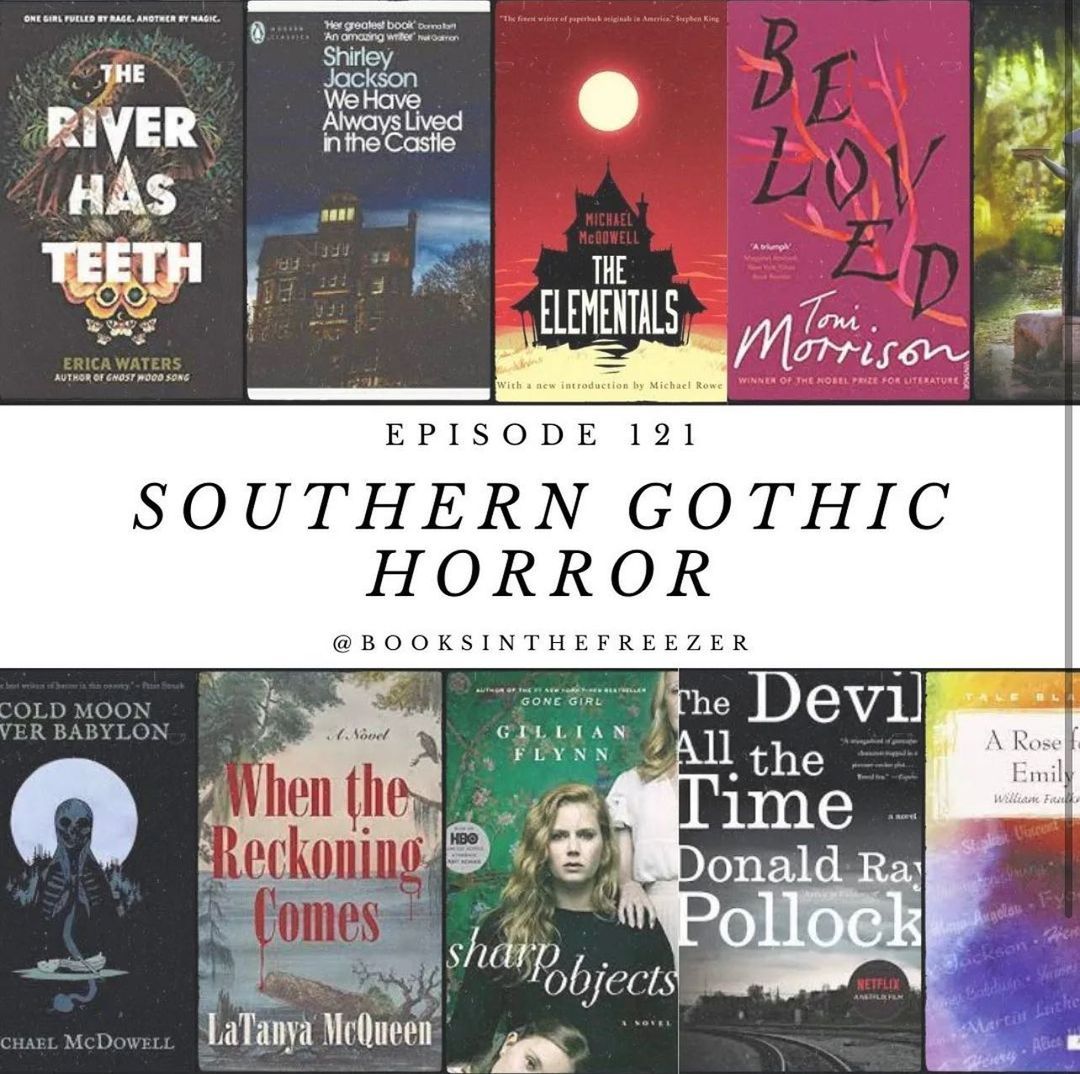
Southern Gothic literature stands as a unique, often unsettling, and undeniably vital genre within American fiction. Born from the complex tapestry of the American South, it delves into the region's historical traumas, societal peculiarities, and the psychological depths of its inhabitants. Far from being merely a collection of spooky stories, Southern Gothic uses the macabre, the grotesque, and the supernatural to expose profound truths about humanity and the human condition.
For many readers, however, this rich genre can feel elusive. What truly defines it beyond a sense of decay and eccentricity? How do its key authors contribute to its distinct voice? This in-depth guide aims to demystify Southern Gothic, providing a clear pathway to understanding its core characteristics and appreciating the literary giants who mastered its craft.
The Reader's Dilemma: Why Southern Gothic Can Be Misunderstood
Many readers approach Southern Gothic literature with preconceived notions, often leading to confusion or a superficial appreciation of its profound impact. Understanding these common stumbling blocks is the first step toward a richer engagement with the genre.
- Confusing it with general Gothic: While sharing some elements, Southern Gothic has a distinct regional focus and thematic concerns that set it apart from broader Gothic traditions.
- Overlooking its social commentary: The grotesque elements are often not just for shock value but serve as powerful metaphors for societal ills, historical injustices, and moral decay.
- Struggling with complex characters: Southern Gothic protagonists and antagonists are rarely straightforward; their motivations are often deeply flawed, contradictory, and rooted in their environment.
- Underestimating the role of setting: The Southern landscape is more than a backdrop; it's an active character, reflecting and influencing the internal states of the characters and the narrative itself.
- Misinterpreting the supernatural: Supernatural occurrences often symbolize psychological states, inherited trauma, or the weight of the past rather than just being literal ghosts.
Unpacking the Peculiarities: What Defines Southern Gothic Literature?
One of the primary challenges for new readers is pinpointing the exact characteristics that distinguish Southern Gothic from other literary forms. It's a genre rich with nuance, but a few recurring elements form its backbone, creating its unique atmosphere and thematic depth.
- The Grotesque: Characters, situations, or settings that are bizarre, distorted, or physically/mentally deformed. This isn't just for shock; it often highlights moral decay or psychological abnormality.
- Decay and Ruin: A pervasive sense of entropy, evident in crumbling mansions, neglected landscapes, and declining family lines. This mirrors the spiritual and moral decline of individuals and society.
- Sense of Place: The American South itself is central, with its humid climate, isolated communities, and unique cultural heritage playing a pivotal role. The land often reflects the characters' inner turmoil.
- Flawed or Eccentric Characters: Often isolated, obsessed, or deeply troubled individuals who defy conventional norms. These characters are frequently products of their environment and history.
- Dark Humor and Irony: A sardonic wit often underlies the grim narratives, providing moments of grim amusement or highlighting the absurdity of human suffering and societal hypocrisy.
- Racial and Social Tensions: The lingering impact of slavery, segregation, and rigid social hierarchies frequently surfaces, exposing deep-seated prejudices and injustices.
- A Burden of the Past: History is not just a backdrop but an active force, haunting characters and shaping their present circumstances, often through generational trauma or inherited sins.
- Violence and the Macabre: Brutal acts, psychological torment, and death are often present, serving to underscore the harsh realities and moral depravity within the stories.
When encountering these elements, avoid the pitfall of viewing them as mere stylistic choices. Instead, consider how each characteristic contributes to the genre's powerful exploration of human nature and societal critique.
Who Are the Architects of Southern Gothic's Dark Charm?
Understanding Southern Gothic requires familiarity with its foundational authors. These literary giants not only defined the genre but also pushed its boundaries, crafting narratives that remain profoundly impactful today. Their works offer diverse entry points into this complex literary landscape.
-
William Faulkner (1897-1962)
Faulkner is arguably the most influential Southern Gothic writer, known for his dense prose, stream-of-consciousness narration, and creation of the fictional Yoknapatawpha County. His novels often explore the decay of the old Southern aristocracy, racial tensions, and the psychological burdens of the past. Works like The Sound and the Fury and Absalom, Absalom! are seminal texts, showcasing his experimental style and profound insights into the Southern psyche. For a deeper dive, consider exploring his contributions to essential regional fiction.
-
Flannery O'Connor (1925-1964)
O'Connor's short stories and novels are characterized by their intense focus on Christian themes, often using grotesque characters and shocking violence to reveal moments of divine grace. Her work is steeped in Catholic theology, exploring redemption, faith, and the struggle between good and evil in the lives of ordinary, often deeply flawed, Southerners. A Good Man Is Hard to Find and Wise Blood are quintessential examples of her distinctive voice.
-
Carson McCullers (1917-1967)
McCullers specialized in themes of spiritual isolation, loneliness, and the struggles of marginalized individuals. Her characters are often misfits, yearning for connection in a world that seems to deny it. Her prose is lyrical and melancholic, capturing the emotional fragility beneath the Southern exterior. The Heart Is a Lonely Hunter and Reflections in a Golden Eye are powerful explorations of internal anguish and unfulfilled desire.
-
Eudora Welty (1909-2001)
Welty's work often captures the subtle nuances of Southern life, focusing on the interior lives of her characters and the complexities of human relationships within small communities. While less overtly grotesque than O'Connor, her stories often contain elements of the bizarre and the tragic, revealing the eccentricities and quiet desperation beneath the surface. Delta Wedding and The Optimist's Daughter are celebrated for their psychological depth and rich regional detail.
-
Truman Capote (1924-1984)
Though perhaps best known for In Cold Blood, Capote's early works, particularly his short stories and novella Other Voices, Other Rooms, firmly place him within the Southern Gothic tradition. He explored themes of childhood innocence lost, sexual ambiguity, and the dark undercurrents of seemingly idyllic Southern towns with a sharp, often unsettling, elegance.
These authors, among others, built the foundation of Southern Gothic literature, each contributing their unique perspective to its dark and compelling narrative tapestry. Their works are essential reading for anyone seeking to understand the genre's depth and enduring power.
Beyond the Grotesque: What Deeper Truths Does Southern Gothic Reveal?
A common pitfall is to focus solely on the surface-level oddities of Southern Gothic, missing the profound philosophical and psychological insights it offers. The genre's power lies in its ability to use the unusual to illuminate universal human experiences and societal flaws.
- The Failure of Redemption: Many characters grapple with moral failings, often seeking but rarely finding true redemption, highlighting the persistent nature of sin and human weakness.
- The Illusion of Southern Gentility: The crumbling mansions and genteel facades often mask deep-seated prejudices, violence, and moral corruption, exposing the hypocrisy of societal norms.
- The Weight of Inherited Trauma: Stories frequently explore how historical events, particularly slavery and its aftermath, cast long shadows over subsequent generations, shaping their identities and destinies.
- Existential Loneliness and Alienation: Characters often exist on the fringes of society, struggling with profound isolation and a desperate yearning for connection that frequently goes unfulfilled.
- The Search for Identity in a Changing World: As the South grappled with modernity, many narratives explore characters clinging to outdated traditions or struggling to forge new identities amidst societal upheaval.
- The Nature of Good and Evil: Southern Gothic frequently blurs the lines between protagonist and antagonist, exploring the capacity for both good and evil within every individual, often in extreme circumstances.
"The South, for all its problems, provides a rich, complex, and often contradictory backdrop for stories that grapple with the very essence of human nature. It's not just a place; it's a state of mind, a historical echo, and a moral crucible."
By engaging with these deeper themes, readers can move beyond mere fascination with the bizarre and appreciate the genre's significant contributions to literary discourse and social critique.
The Landscape of Despair: How Setting Shapes Southern Gothic Narratives
In Southern Gothic, the physical environment is never a passive backdrop; it's a living, breathing entity that profoundly influences the story's mood, character development, and thematic resonance. Neglecting the setting's active role diminishes the reading experience.
- Crumbling Plantations: These symbolize the decay of the old Southern aristocracy, the weight of a painful past, and the haunted legacy of slavery. They are often isolated, oppressive, and filled with secrets.
- Swampy Lowlands and Dense Forests: These natural settings often evoke a sense of entrapment, primal mystery, and a pervasive, suffocating atmosphere that mirrors the characters' internal struggles.
- Small, Isolated Towns: Such communities often breed insularity, gossip, and a claustrophobic social environment where eccentricities can flourish, and dark secrets are tightly held.
- Oppressive Heat and Humidity: The physical discomfort of the Southern climate often reflects and amplifies the psychological tension, moral stagnation, and simmering violence within the narratives.
- Dilapidated Structures: Beyond just mansions, decaying shacks, forgotten churches, and overgrown cemeteries contribute to the pervasive sense of ruin and the omnipresence of death.
These settings are crucial for creating the genre's distinct atmosphere. They are imbued with history, memory, and a sense of foreboding, acting as both prison and mirror for the characters who inhabit them.
Modern Echoes: Contemporary Southern Gothic Voices
While rooted in the past, Southern Gothic is far from a stagnant genre. Contemporary authors continue to explore its themes and conventions, adapting them to address modern concerns while retaining the core essence of the tradition. This evolution ensures its continued relevance.
How Contemporary Writers Are Evolving the Genre
- Expanding the Scope of Grotesque: Modern authors often explore psychological grotesqueness and societal deformities beyond physical oddities, delving into issues like addiction, mental illness, and systemic injustice.
- Diverse Perspectives: There's a growing emphasis on including voices from previously marginalized communities, offering new insights into the enduring legacy of the South's complex history.
- Exploring New Settings: While still rooted in the South, contemporary works might feature more urban or suburban Southern settings, demonstrating how the Gothic sensibility can persist outside traditional rural landscapes.
- Revisiting Historical Trauma: Authors continue to grapple with the South's past, but often with fresh eyes and a more direct confrontation of historical injustices, particularly concerning race.
- Blending Genres: Some contemporary Southern Gothic works subtly blend with other genres like crime fiction, magical realism, or even horror, creating nuanced and innovative narratives.
Prominent Voices in Today's Southern Gothic
Authors like Jesmyn Ward (Salvage the Bones, Sing, Unburied, Sing), whose work powerfully explores poverty, race, and family in rural Mississippi, and Tom Franklin (Crooked Letter, Crooked Letter), known for his atmospheric crime fiction rooted in Southern landscapes, demonstrate the genre's vitality. Their contributions show that the themes of decay, inherited trauma, and the grotesque remain potent in the 21st century. For an interesting perspective on modern Southern fiction, you might enjoy an interview with prominent voices in the field.
The Burden of the Past: How History Weighs on Southern Gothic Characters
The past is not merely prologue in Southern Gothic; it is an active, often oppressive, presence that shapes characters' destinies and the narratives themselves. Ignoring this historical weight is to miss a crucial layer of the genre's meaning.
- Generational Sins: Characters frequently inherit the moral failings or consequences of actions committed by their ancestors, struggling to escape a cycle of guilt or retribution.
- The Ghost of Slavery: The institution of slavery and its aftermath cast a long, dark shadow, influencing racial dynamics, economic structures, and individual psyches for generations.
- Lost Causes and Fallen Empires: The mythology of the Confederacy and the romanticized notion of the 'Old South' often clash with the stark realities of poverty and social decay, creating characters trapped between idealized pasts and bleak presents.
- Unresolved Conflicts: Old feuds, forgotten injustices, and unatoned crimes frequently resurface, disrupting the present and demanding reckoning.
- Memory as a Prison: Characters are often haunted by personal memories or collective historical narratives, unable to move forward, their identities inextricably linked to what has been.
This deep engagement with history makes Southern Gothic a powerful lens through which to examine the enduring impact of collective memory and the struggle to come to terms with a complex, often painful, heritage.
Beyond the Peculiar: Distinguishing Southern Gothic from General Gothic
While sharing a common lineage, Southern Gothic possesses distinct qualities that differentiate it from the broader Gothic tradition. Understanding these nuances is key to appreciating its unique contribution to literature.
Key Differences Between Southern Gothic and General Gothic
| Characteristic | Southern Gothic | General Gothic |
|---|---|---|
| Setting | The American South (decaying plantations, isolated towns, swamps) | European castles, monasteries, ancient ruins (often vague location) |
| Source of Evil | Internal psychological torment, societal corruption, inherited sin, historical trauma | Supernatural forces, ancient curses, tyrannical villains, external threats |
| Grotesque | Focus on physical and psychological deformities, moral decay, social aberration | Emphasis on the sublime terror, the supernatural, the monstrous |
| Themes | Racial tension, poverty, religious fanaticism, family secrets, the burden of history | Mystery, terror, madness, the sublime, forbidden knowledge, persecuted heroines |
| Characters | Eccentric, isolated, deeply flawed Southerners, often products of their environment | Heroines in distress, Byronic heroes, villains, ghosts, supernatural beings |
| Atmosphere | Oppressive heat, humidity, decay, a sense of suffocating past | Darkness, shadows, storms, ancient architecture, isolated settings |
Recognizing these distinctions helps readers to better contextualize and analyze the specific concerns and artistic choices made by Southern Gothic authors. It highlights the genre's unique commitment to exploring regional identity and social issues.
Cultivating a Deeper Appreciation: A Guide to Immersive Reading
To truly appreciate Southern Gothic, readers must approach it with an open mind and a willingness to engage with its complexities. Here's a