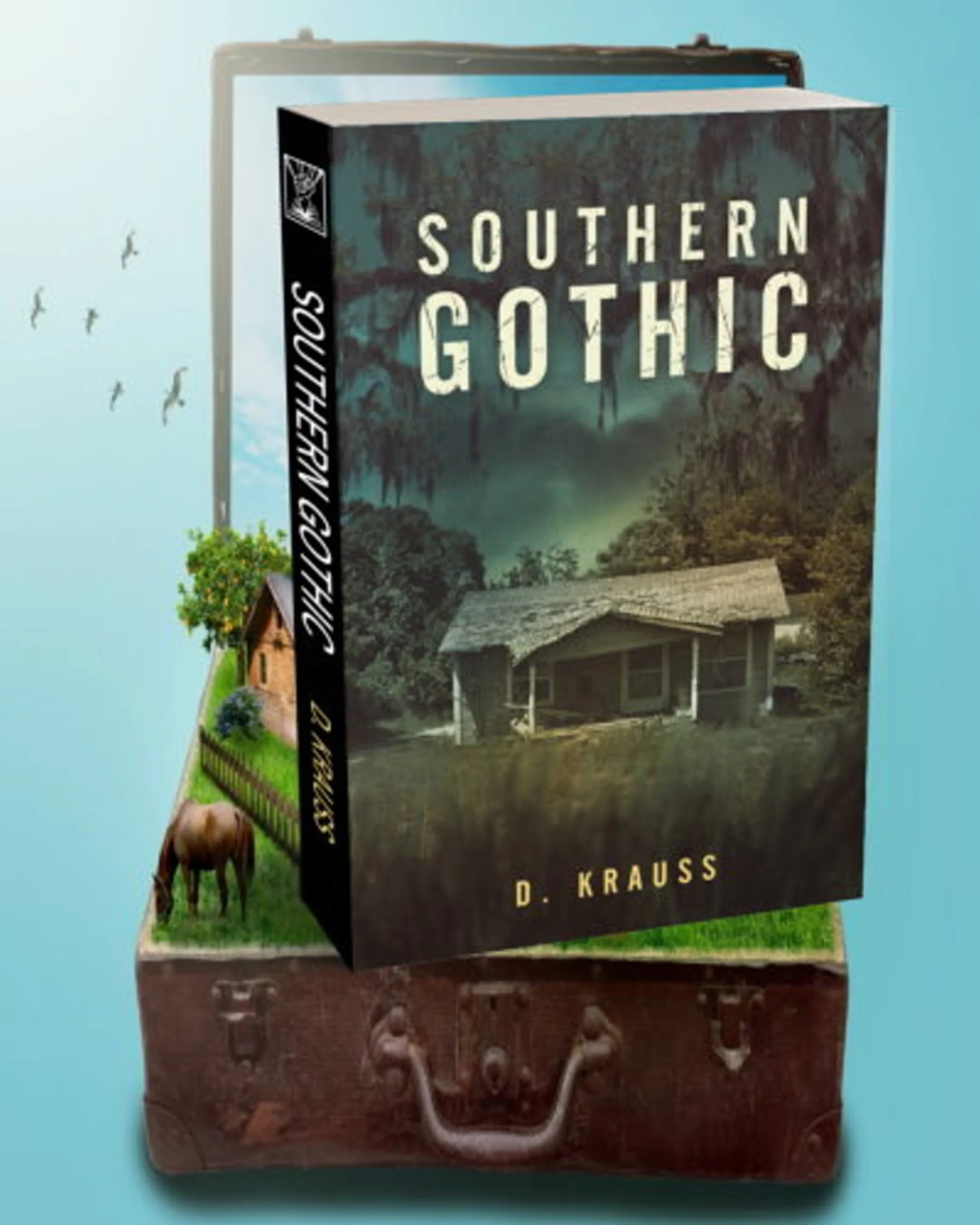
The Allure of the Southern Gothic Literary Tradition
Southern Gothic literature is a subgenre that thrives on the juxtaposition of grotesque characters, decaying landscapes, and the lingering specters of the past. It is a genre where the humid, oppressive atmosphere of the American South acts as a character in its own right, forcing protagonists to confront deep-seated moral failures and social stagnation. For readers seeking narratives that are both beautiful and deeply unsettling, this genre offers an unparalleled exploration of the human condition under pressure.
Unlike traditional gothic fiction that relies on haunted castles or European ruins, Southern Gothic finds its horror in the crumbling porches of plantation estates and the isolation of rural townships. It is not merely a collection of ghost stories; rather, it is a critique of a society clinging to its history while struggling to navigate the complexities of modernity, race, and poverty. By delving into these narratives, readers gain insight into the dark underbelly of the American experience.
Defining the Must-Have Criteria for the Genre
When curating your collection of Southern Gothic literature, it is helpful to understand the specific elements that define the experience. These books are not meant to be light reading; they are immersive, often challenging journeys into the psyche. Below are the primary criteria that elevate a work to the status of a Southern Gothic masterpiece:
- Atmospheric Setting: The story must evoke the sensory experience of the South—the heat, the moss, the dust, and the encroaching decay.
- Deeply Flawed Protagonists: Characters are often isolated, morally ambiguous, or suffering from a profound sense of disillusionment.
- Grotesque Realism: The inclusion of physical or psychological abnormalities serves as a mirror for the societal dysfunctions within the narrative.
- Historical Weight: The past is never truly dead; it remains a constant, often suffocating presence that dictates the actions of the living.
- Social Commentary: The narrative must engage with the stark realities of class, power dynamics, and the legacy of institutional injustice.
Comparison of Essential Southern Gothic Authors
| Author | Key Work | Primary Theme | Atmospheric Style |
|---|---|---|---|
| William Faulkner | As I Lay Dying | Legacy and Loss | Dense and Stream-of-consciousness |
| Flannery O'Connor | Wise Blood | Religious Fanaticism | Sharp and Sardonic |
| Carson McCullers | The Heart Is a Lonely Hunter | Isolation | Lyrical and Melancholic |
| Harper Lee | To Kill a Mockingbird | Moral Integrity | Clear and Observational |
| Cormac McCarthy | Child of God | Moral Decay | Brutal and Stark |
Nice-to-Haves: Expanding Your Collection Beyond the Classics
While the heavy hitters of the mid-20th century form the backbone of the genre, the modern Southern Gothic landscape has expanded significantly. If you have already explored the foundational texts, look for contemporary authors who pay homage to these roots while introducing fresh perspectives on regional identity. These additions often bring a more diverse range of voices to the conversation, ensuring the genre evolves rather than remains static.
Consider seeking out works that incorporate elements of magical realism or noir to deepen the sense of unease. Authors who blend the traditional tropes with modern political anxieties often produce the most compelling contemporary Southern Gothic fiction. Expanding your library in this way helps bridge the gap between historical regionalism and the current literary landscape, providing a more comprehensive view of how the South continues to influence modern storytelling.
Red Flags to Avoid When Selecting Your Next Read
Not every book set in the South falls under the Southern Gothic umbrella, and some modern attempts at the genre can feel derivative or exploitative. To ensure you are engaging with high-quality literature, watch out for the following pitfalls:
- Sensationalized Violence: Avoid books that use graphic violence purely for shock value without providing any thematic depth or character development.
- Stereotype Reliance: Be wary of narratives that rely heavily on tired tropes, such as the "noble savage" or the "benevolent patriarch," without subverting them.
- Lack of Internal Logic: The "weirdness" of the genre should feel rooted in the character's psychology or the setting, not just random occurrences meant to confuse the reader.
- Pacing Issues: While the genre is known for a slow, brooding pace, a story that lacks narrative momentum will eventually lose its emotional impact.
- Superficial Setting: If the Southern landscape feels like a generic backdrop rather than an integral part of the plot, it may not be a true Southern Gothic work.
The Hierarchy of Southern Gothic Reading
For those new to the genre, it is best to follow a structured path to appreciate the evolution of the style. Start with the most accessible classics before moving into the more experimental, dense prose that characterizes the later works of the movement.
- Begin with the foundational social dramas that established the setting, such as Harper Lee’s work.
- Move toward the sharper, more cynical short stories of Flannery O'Connor to understand the "grotesque" element.
- Explore the dense, challenging stream-of-consciousness techniques utilized by William Faulkner.
- Dive into the darker, more nihilistic works of Cormac McCarthy to see the absolute limits of the genre.
- Conclude your exploration with contemporary authors who are currently redefining the boundaries of the Southern Gothic.
The Southern Gothic is not a genre of ghosts, but a genre of legacies. It is about the weight of the past pressing down on the present, refusing to let the characters move forward without first reckoning with the sins of their ancestors.
Understanding the Role of the Grotesque
The term "grotesque" is central to this genre. It refers to characters who possess some sort of physical or mental deformity, or who hold extreme, often irrational beliefs. In Southern Gothic literature, these figures are not meant to be mocked; they are meant to be understood as products of their environment. By highlighting these individuals, authors challenge the reader to look past the surface and acknowledge the humanity within the marginalized or the misunderstood.
Why the Grotesque Matters
- It creates a sense of discomfort that forces the reader to pay closer attention to the narrative.
- It serves as a metaphor for the moral corruption of the society at large.
- It forces the reader to confront their own prejudices regarding what is considered "normal."
- It provides a vehicle for exploring themes of faith, redemption, and human frailty.
How to Analyze the Setting as a Character
In the best Southern Gothic books, the environment is never passive. The heat, the humidity, and the landscape act as catalysts for the plot. If you want to analyze this effectively, pay attention to how the physical space restricts the characters. Does the environment force them together in ways that create conflict? Does the decay of the buildings reflect the decay of the families living within them? Learning to read the setting will significantly enhance your appreciation of the genre's structural brilliance. For more context on regional themes, you can consult this Southern Literature Guide to Essential Regional Fiction.
Common Pitfalls for New Readers
One of the biggest mistakes readers make is expecting a traditional mystery or thriller. While many Southern Gothic novels contain elements of crime or suspense, the primary focus is always on the psychological and sociological aftermath of events rather than the resolution of a puzzle. If you go in looking for a neat conclusion, you will likely be disappointed. Instead, prepare for ambiguity and open-ended questions that persist long after you have finished the final page.
The Intersection of Race and Southern Gothic
It is impossible to discuss the Southern Gothic without addressing the role of race. The genre is inextricably linked to the history of slavery and the subsequent struggle for civil rights. Many of the most powerful works in this tradition explore the tension between the "Old South" and the inevitable progress of the "New South." Understanding this historical context is essential for any reader who wants to grasp the full gravity of the themes presented in these books.
Key Themes to Watch For
- The burden of ancestral guilt and the refusal to acknowledge past atrocities.
- The struggle for agency among characters who have been systematically disempowered.
- The performative nature of southern manners and the hidden violence beneath them.
- The inevitable collision between tradition and the changing social order.
Comparing Short Stories vs. Novels
Southern Gothic is unique in that some of its most profound statements are found in short story collections. Writers like Flannery O'Connor and Eudora Welty mastered the art of the short form, often packing more emotional punch into twenty pages than many authors do in three hundred. When building your reading list, do not overlook short fiction, as it provides a perfect entry point for the genre's dense thematic focus.
Tips for Deepening Your Engagement
If you want to move beyond casual reading, consider keeping a journal or joining a book club focused on regional literature. Discussing these works with others is vital because the themes are often subjective and open to multiple interpretations. Additionally, try to read the author's essays or biographies. Understanding the personal experiences of writers like Faulkner or McCullers can shed light on why they chose to explore such dark and complex subject matter in their writing.
Why Modern Readers Still Need the Southern Gothic
Despite being a genre that is deeply rooted in the 20th century, the Southern Gothic remains incredibly relevant. The themes of political division, the struggle to preserve history, and the impact of economic inequality are all issues that continue to resonate in contemporary society. By reading these books, we are not just looking back at the past; we are engaging with the ongoing challenges of our present. The genre serves as a reminder that the ghosts of our collective history are still walking among us, and we must learn to live with them.
Building Your Personal Library
When selecting the books for your shelf, prioritize editions that include critical introductions. These essays often provide the historical context needed to fully appreciate the nuance of the writing. Look for collections that group authors by era or theme, as this will help you see the connections between different works. Building a thoughtful library is a rewarding process that allows you to revisit these haunting tales whenever you feel the need to explore the darker corners of the human experience.
Resources for Further Study
For those who wish to dive deeper into the academic side of Southern Gothic literature, there are many reputable resources available. The Wikipedia entry on Southern Gothic provides a solid overview of the genre's history and key figures, while university-led reading lists can offer more curated suggestions for advanced study. Always seek out credible sources that prioritize literary analysis over simple plot summaries to ensure you are getting the most out of your research.